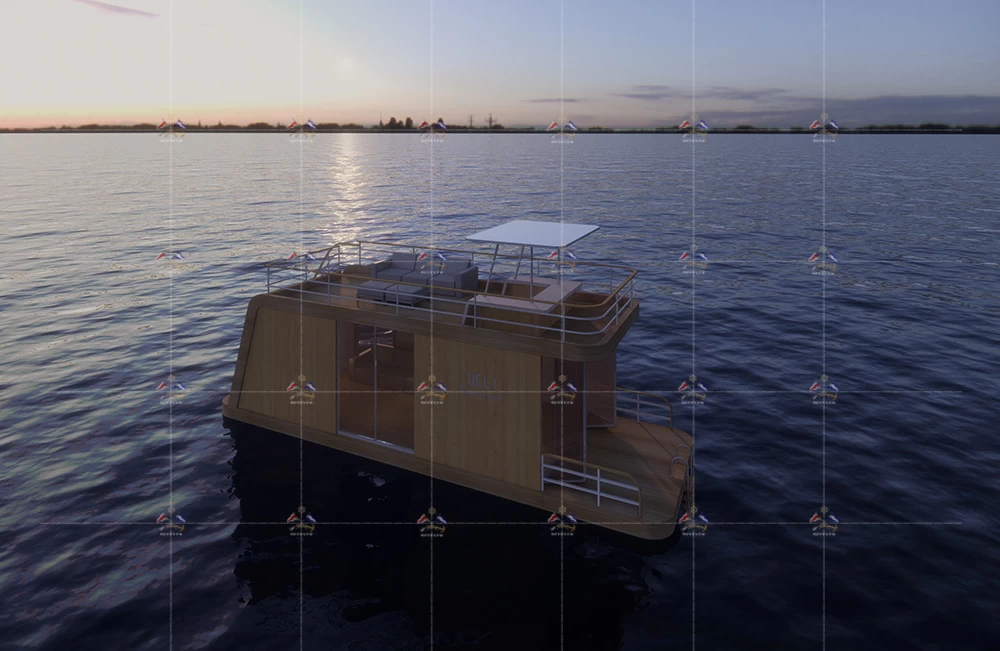
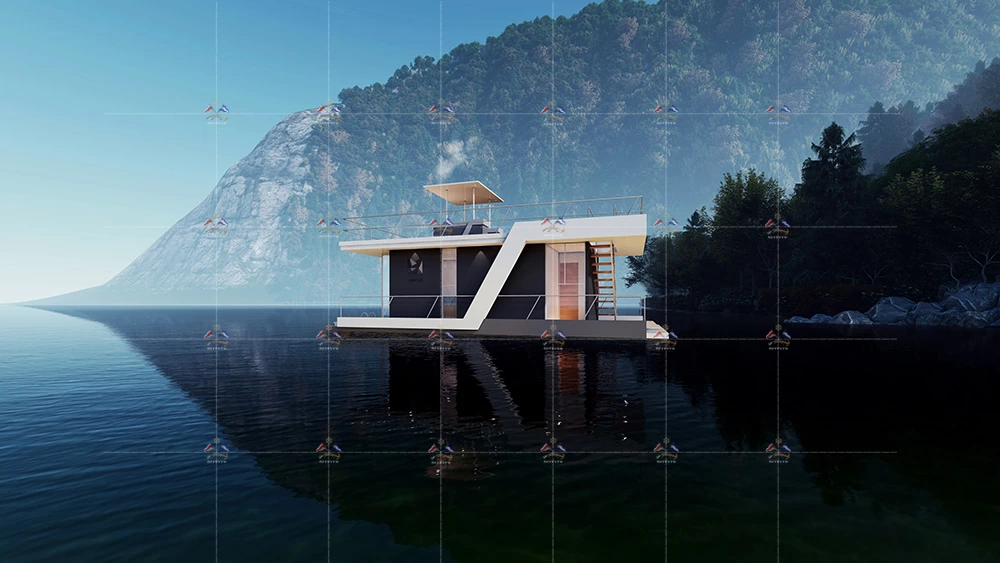
Living on the water offers a sense of freedom that land-based housing simply cannot match. However, the dream of waking up to a waterfront view every morning relies entirely on the quality of the vessel beneath your feet. Unlike standard residential building, houseboat construction is a complex marriage of marine engineering and architectural design. It requires a deep understanding of buoyancy, materials science, and the harsh realities of a marine environment.
When you look at legendary marine brands like DeFever, you see a legacy of heavy-duty hulls designed to survive open oceans. While a houseboat might not cross the Atlantic, the principles of durability and structural integrity should remain the same. Whether you are planning a stationary floating home or a cruising vessel, understanding how these boats are put together is the first step toward a safe investment.
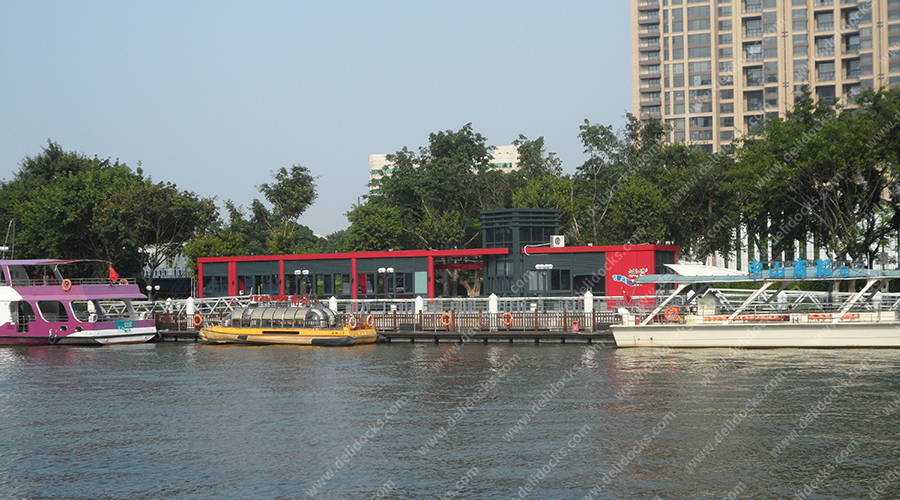
The Fundamentals of Houseboat Construction
The process begins long before the first sheet of metal is cut. Engineers must calculate the total displacement of the vessel to ensure it floats at the correct level. This is not just about keeping water out; it is about weight distribution.
In houseboat construction, the center of gravity is a critical calculation. If the superstructure—the "house" part—is too heavy or tall compared to the hull, the vessel becomes unstable. This is a common issue in amateur builds. Professional naval architects use hydrostatic software to model how the boat will behave in wind and waves, ensuring safety even when the weather turns at the marina.
Choosing the Right Hull Material
The hull is the foundation. In the world of international marina engineering, three materials dominate the market: aluminum, steel, and fiberglass. Each has distinct characteristics that define the boat’s lifespan and maintenance schedule.
Aluminum is a favorite for cruising houseboats. It is lightweight, strong, and resistant to rust if properly protected. It allows for a shallow draft, meaning you can take the boat into quieter, shallower coves. However, it requires careful monitoring for galvanic corrosion.
Steel is the traditional choice for heavy, large-scale floating homes. It is incredibly strong and offers a solid feel in the water. The downside is weight and the constant battle against oxidation. A steel hull requires a rigorous painting schedule.
Fiberglass offers a seamless design with low maintenance. It is often used in pontoon-style houseboat construction or molded monohulls. It doesn't rot or rust, but it can be susceptible to blistering if the gel coat is compromised.
Pontoon vs. Monohull Engineering
The shape of the bottom determines how the boat handles and lives. Pontoon systems are popular because they are cost-effective and provide excellent stability in calm waters.
Pontoons are essentially large tubes that provide buoyancy. They create a wide platform, which is perfect for spacious floor plans. However, they typically offer less storage space below deck compared to a full hull.
Monohull designs resemble traditional ships. They displace water rather than sitting on top of it. This design creates a basement-like area below the waterline, often used for staterooms, engines, or massive storage tanks. This allows the living area above to remain open and uncluttered.
Electrical and Plumbing Systems
Designing utilities for a boat is vastly different from a house. In houseboat construction, systems must be able to withstand vibration, humidity, and movement. Rigid pipes used in homes will crack on a boat; therefore, flexible marine-grade hosing is mandatory.
Electrical systems often involve a mix of shore power (AC) and battery power (DC). A well-built houseboat functions like a high-end RV. It needs an inverter system to manage power when disconnected from the dock.
Sanitation is another major engineering hurdle. Marine toilets and holding tanks must comply with strict environmental laws. You cannot simply flush waste into the water. The installation of Type I, II, or III Marine Sanitation Devices (MSD) is a regulated part of the build process.
Insulation and Climate Control
A common complaint about older houseboats is that they are hot in the summer and freezing in the winter. Modern engineering has solved this with advanced insulation techniques.
Spray foam insulation is the industry standard in high-quality houseboat construction. It adheres directly to the hull and walls, providing structural rigidity while eliminating condensation. Condensation is the enemy of any boat; it leads to mold and rot behind the walls.
For windows, marine-grade, dual-pane thermal glass is essential. It prevents heat transfer and reduces the noise of water lapping against the hull, ensuring a quiet night's sleep.
The Role of Weight Distribution
We briefly touched on stability, but load management is an ongoing concern. You cannot simply load a houseboat with heavy granite countertops and solid oak furniture without consequences.
Naval architects create a "weight schedule" during the design phase. Every appliance and piece of furniture is accounted for. If you want the heavy build quality associated with a trawler style—similar to the robustness found in a DeFever hull—the displacement must be adjusted to handle that load.
If a boat is listed to one side, it strains the frame and makes the vessel uncomfortable to live on. Proper tank placement (fuel, water, waste) is used to counterbalance the interior design.
Decking and Exterior Finishes
The exterior of a houseboat takes a beating from UV rays and moisture. The choice of decking material is a major factor in long-term maintenance costs.
Composite decking has largely replaced wood in modern houseboat construction. It does not splinter, requires no sanding, and resists fading. For higher-end builds, teak is still used, but it requires significant upkeep to maintain its golden hue.
Railings and cleats must be bolted through structural backing plates, not just screwed into the deck. This ensures that when the boat is tied up during a storm, the hardware doesn't rip out under pressure.
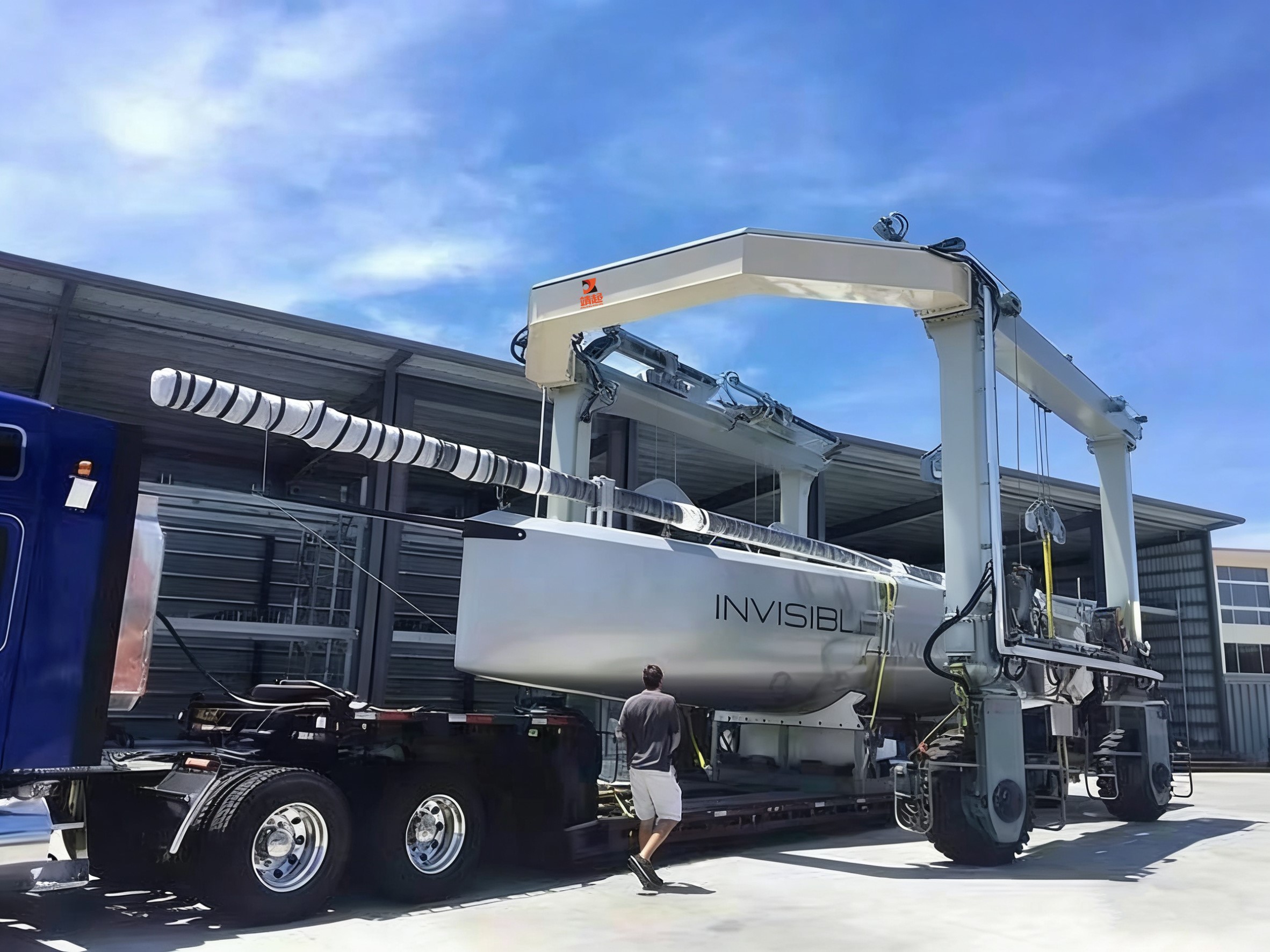
Propulsion and Steering
Not all houseboats are meant to move, but for those that do, propulsion is key. The shape of the house creates massive wind resistance, making these vessels difficult to steer in a breeze.
To combat this, builders often install bow and stern thrusters. These small propellers allow the boat to move sideways, making docking in a tight marina slip much easier.
Engine selection usually leans toward high-thrust outboard motors or inboard diesel engines. The goal is torque, not speed. You need the power to stop the momentum of a 50-ton vessel, not to get it on a plane.
Regulatory Compliance and Safety
Building a houseboat isn't a free-for-all. In the United States and Europe, builders must adhere to standards set by the ABYC (American Boat and Yacht Council) or CE certification.
These codes cover everything from wire sizing to fuel tank ventilation. Insurance companies will rarely cover a vessel that doesn't meet these standards.
During houseboat construction, inspectors often visit the shipyard at various stages. They check the welds, pressure test the tanks, and verify the electrical grounds. This certification is crucial for resale value.
Why Custom Engineering Matters
Buying a production boat is easier, but a custom build allows for specific lifestyle adaptations. Perhaps you need a reinforced roof for a hot tub, or a hull designed for icy waters.
Custom engineering allows for the integration of smart home technology and green energy. Solar arrays are becoming standard on large roof decks, allowing some houseboats to operate entirely off-grid.
This level of customization requires a builder who understands the specific challenges of your local waterway. A boat built for a calm lake requires different engineering than one built for a tidal coastal river
Investing in a floating home is a commitment to a unique lifestyle, but that dream must be backed by solid engineering. Understanding the intricacies of houseboat construction—from the hull materials to the weight distribution—protects your financial investment and ensures your safety.
It is about finding the balance between the comfort of a luxury apartment and the seaworthiness of a proper vessel. While you might not be circumnavigating the globe in a houseboat, demanding the structural philosophy of a DeFever ensures that your floating home will stand the test of time and tide.
Common Questions About Houseboat Builds
Q1: How long does the average houseboat construction process take?
A1: For a custom-built houseboat, the process typically takes between 6 to 12 months. This timeline depends heavily on the complexity of the design, the availability of materials (like marine-grade aluminum), and the builder's current schedule. Stock or production models can be delivered faster, but custom engineering requires time for testing and certification.
Q2: Is an aluminum hull better than a steel hull for a houseboat?
A2: It depends on the water conditions. Aluminum is generally preferred for modern houseboats because it is lightweight, requires less maintenance, and does not rust. However, steel is stronger and often cheaper upfront, making it a good choice for very large, stationary floating homes in fresh water where weight is less of a concern.
Q3: Can I live on a houseboat year-round in freezing climates?
A3: Yes, but only if the boat is specifically built for it. The houseboat construction must include a "winter package," which involves extra spray foam insulation in the hull and walls, heated water lines to prevent freezing, and double-pane thermal windows. You may also need a bubbler system around the hull to prevent ice from crushing the pontoons.
Q4: Do houseboats have engines, or are they towed?
A4: Most cruising houseboats have their own engines, typically high-thrust outboards or inboard diesels. "Floating homes," however, are often built on concrete barges and have no propulsion; these must be towed by tugboats to their permanent location in a marina.
Q5: How difficult is it to finance the construction of a houseboat?
A5: Financing can be more challenging than a traditional home mortgage. Lenders view this as a marine vessel loan rather than real estate. You will typically need a Marine Survey during the build process and a larger down payment (often 20-30%). Insurance is also a mandatory requirement for finalizing the loan.