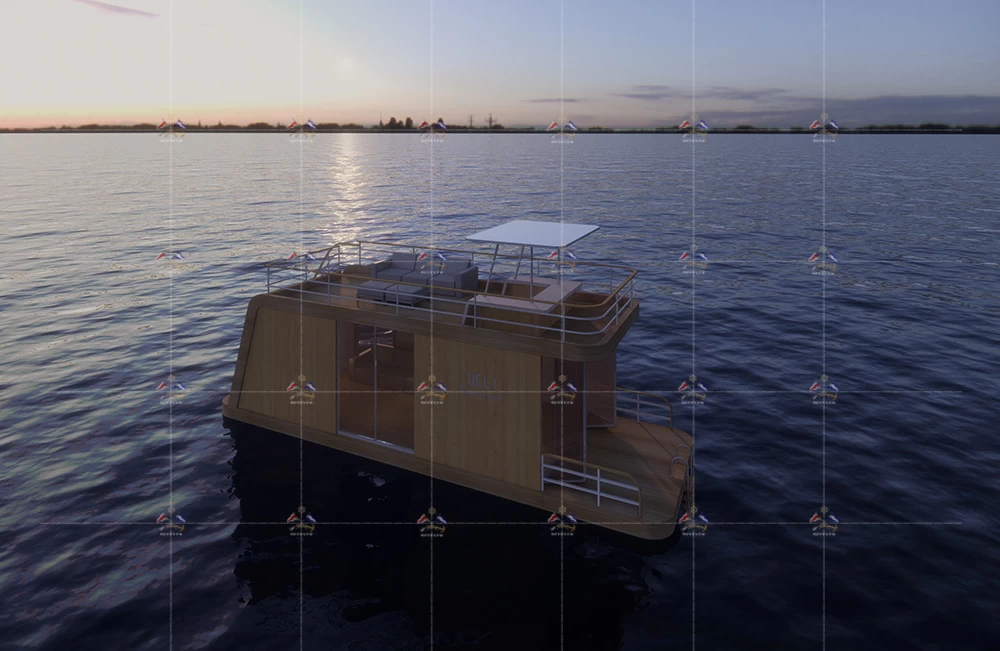
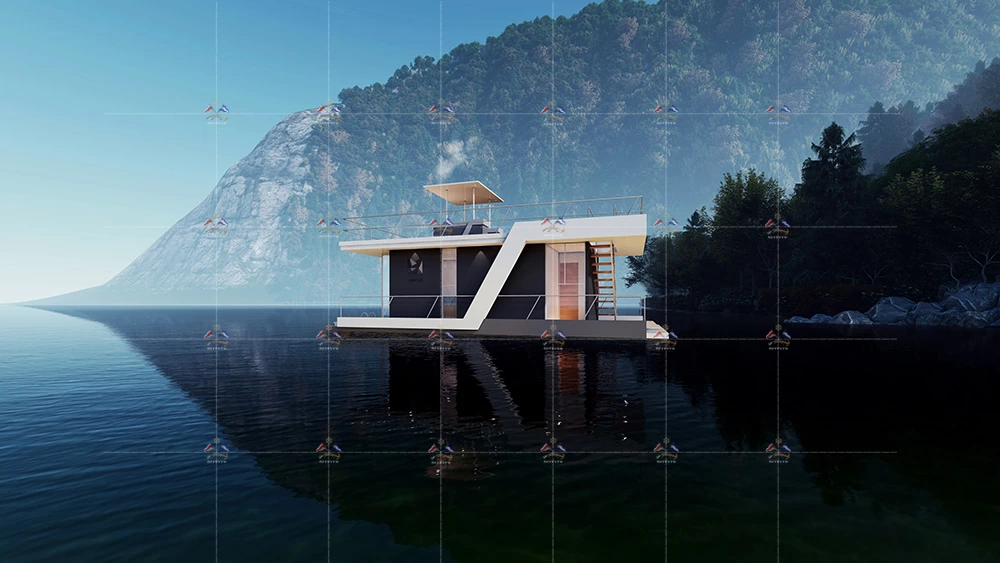
When we think about marine infrastructure, we often focus on the vessels themselves. We admire the lines of a classic trawler or the speed of a center console. However, the stationary structures where our journeys begin and end are just as critical. For anglers, the platform beneath their feet is more than just a place to tie up a boat; it is a primary tool for the sport.
Designing structures specifically for docks fishing requires a different engineering mindset than building a standard marina slip. It involves calculating live loads for crowds, managing fish waste systems, and ensuring stability when the water gets rough. Much like the reputation of a DeFever yacht is built on its ability to handle heavy seas with grace, a well-engineered fishing dock must prioritize structural integrity and functional endurance.
This is not about nailing a few planks together. It is about understanding the interaction between marine materials, environmental stress, and the specific needs of the angler. Whether for commercial operations or a private residence, the construction quality defines the experience.
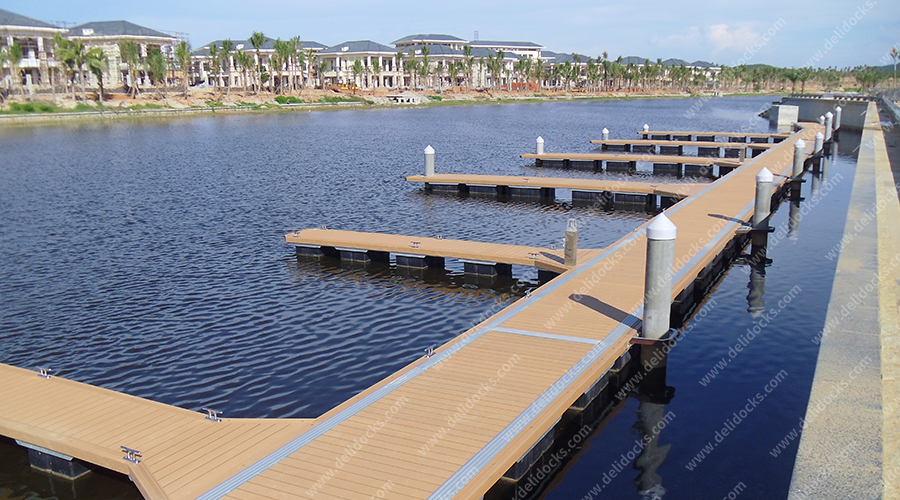
Structural Stability and Load Calculations
The most important factor in any marine construction is stability. When you are casting a line, you need a solid footing. For floating systems intended for docks fishing, stability is achieved through careful displacement calculations.
Engineers must account for "live loads." Unlike a boat slip where the primary weight is static, a fishing dock often has people moving to one side simultaneously when a catch is brought in. If the buoyancy is not calculated correctly, the dock will list dangerously.
For fixed piers, the challenge is lateral strength. Tides and currents exert constant pressure on the pilings. Cross-bracing becomes essential. In high-energy water, reinforced concrete pilings are often preferred over wood to prevent sway. A swaying dock makes for a frustrating fishing experience and can be unnerving for guests.
Material Selection for Docks Fishing
Choosing the right decking material is a debate that keeps engineers and architects up at night. The surface must be non-slip, durable, and resistant to fish blood and bait stains.
Pressure-treated lumber is the traditional choice. It is cost-effective and structurally sound. However, it requires significant maintenance. Hooks can easily snag in the wood grain, and splintering is a constant hazard for barefoot anglers.
Composite decking has gained massive popularity in modern docks fishing projects. High-quality PVC or capped composites offer superior stain resistance. You can wash away fish slime with a hose, and hooks generally don't penetrate the hard shell.
Concrete is the standard for commercial projects. It is immovable and virtually indestructible. However, it retains heat. For a private setup, stamped concrete on a fixed pier offers a balance of aesthetics and heavy-duty utility.
Optimizing Freeboard Height
Freeboard refers to the distance between the water's surface and the deck of the dock. In the world of marina engineering, there is no "one size fits all."
For docks fishing, the freeboard needs to be lower than a standard yacht mooring. Anglers need to be able to reach the water to net a fish or release a catch safely. A freeboard of 12 to 18 inches is often ideal for calm waters.
However, this presents a challenge for boat docking. A large vessel, perhaps a cruising trawler similar to a DeFever, requires a higher step-off point. This is where split-level designs come into play.
Engineers often design a "step-down" section specifically for fishing. This lower platform allows for easy water access while the main dock remains at a height suitable for boarding larger vessels.
Integrated Plumbing and Cleaning Stations
A bucket of water is no longer sufficient for the modern angler. Professional docks fishing builds incorporate sophisticated plumbing systems directly into the infrastructure.
Fish cleaning stations are heavy. They require reinforced backing plates beneath the deck to support the weight of the table and the catch. But the real engineering challenge is the waste management.
You cannot simply dump fish waste into a marina basin; it lowers oxygen levels and attracts pests. Advanced docks utilize macerator pumps and plumbing that connects to the shore sewer system or a dedicated septic tank.
Freshwater washdowns are equally important. Saltwater corrosion attacks everything—tackle, reels, and deck hardware. Strategically placed hose bibs with high pressure are mandatory for maintaining the longevity of the structure and the equipment.
Lighting Systems for Night Operations
Fishing doesn't stop when the sun goes down. In fact, many species are more active at night. Lighting design for docks fishing serves two purposes: safety and attraction.
Overhead lighting must be bright enough to rig tackle but shielded to prevent blinding boaters navigating nearby. LED spreader lights mounted on tall pilings are a common solution.
Underwater lighting is a specialized field. Green or blue spectrum LEDs are famous for attracting plankton, which in turn attracts baitfish and predators.
From an engineering standpoint, these lights require dedicated GFCI (Ground Fault Circuit Interrupter) protection. Electricity and saltwater are a lethal combination. All wiring must be tinned copper and run through rigid conduit to prevent chafing against the dock structure.
Railing and Safety Barriers
Safety codes for marinas are strict, but they can conflict with the needs of a fisherman. A standard 42-inch guardrail is safe, but it obstructs casting and makes landing a fish difficult.
To solve this, designers use "lean rails." These are wider, flat-top rails that anglers can lean against for support. They are sturdy enough to mount rod holders or bait trays directly.
In some jurisdictions, engineers use cable railings for docks fishing areas. The thin cables maintain safety compliance while minimizing visual obstruction and allowing wind to pass through, reducing the wind load on the structure during storms.
Kick plates or "toe rails" are also essential. They prevent tackle boxes, knives, and expensive rods from accidentally sliding off the edge of the dock and into the water.
Durability Comparisons to Marine Vessels
When clients ask about the lifespan of a dock, I often use boats as a comparison. If you look at a brand like DeFever, you see heavy fiberglass, stainless steel, and redundancy. A dock should be built with the same philosophy.
Hardware selection is critical. Galvanized steel bolts will eventually rust. For a high-end fishing dock, 316-grade stainless steel is the minimum standard. It costs more upfront but saves thousands in replacement costs later.
The piles—the legs of the dock—must be wrapped or sleeved. In saltwater, marine borers (shipworms) can eat through a wooden piling in a few years. High-density polyethylene (HDPE) sleeves create a barrier that protects the structural integrity of the foundation.
Wave Attenuation and Water Calmness
You cannot fish effectively if the dock is bouncing violently. In exposed locations, wave attenuation systems are a necessary part of docks fishing engineering.
Floating breakwaters can be installed on the perimeter of the dock system. These heavy concrete boxes extend deep into the water to break the energy of incoming waves.
In shallower water, a riprap wall (pile of rocks) or a timber wave fence can be used. Creating a calm "shadow" behind the breakwater not only makes fishing more comfortable but also protects the boats moored there from chafing against the dock.
Storage and Gear Management
Serious fishing requires a lot of gear. Nets, gaffs, rods, and bait buckets clutter the deck, creating tripping hazards. Smart construction integrates storage into the design.
Dock boxes are standard, but custom builds often feature "under-deck" storage drawers for long items like gaffs or boat hooks.
Vertical rod storage is another key feature. Attaching rod racks to the pilings keeps expensive gear off the floor and out of harm's way. The layout must be planned to ensure these storage areas don't interfere with the walkway width required by ADA (Americans with Disabilities Act) guidelines.
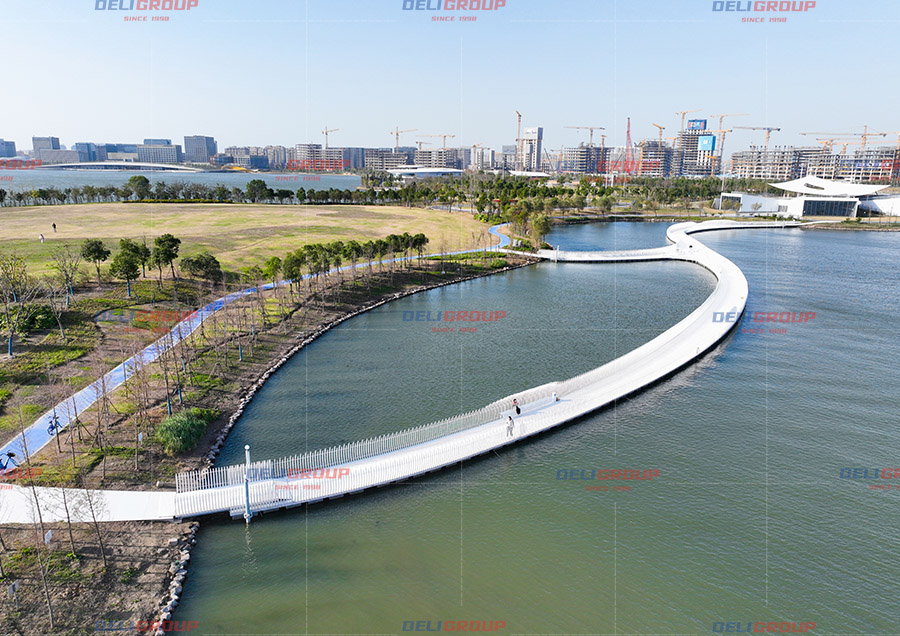
Environmental Permitting and Habitat
Building a dock today requires navigating a maze of environmental regulations. Interestingly, a well-designed dock can actually enhance the local ecosystem.
Shadowing is a major concern for regulators. Large docks block sunlight, killing the sea grass below. To mitigate this, engineers use grated decking materials for docks fishing platforms.
ThruFlow or similar grated panels allow sunlight to penetrate the dock. This keeps the vegetation alive, which provides a habitat for the very fish the anglers are trying to catch.
Some builders also install "reef balls" or artificial habitats around the base of the pilings. This eco-engineering approach satisfies permit requirements and improves the fishing quality right off the dock
The difference between a generic walkway and a specialized fishing platform lies in the details. It is the height of the rail, the placement of the lights, and the stability of the float.
Successful docks fishing projects blend civil engineering with marine architecture. They require a deep understanding of how materials survive in a corrosive environment and how people interact with the water.
Whether you are docking a rugged cruising vessel like a DeFever or simply casting a line for snapper with your grandchildren, the quality of the construction dictates the safety and enjoyment of the experience. A well-built dock is an asset that adds value to the property and enhances the lifestyle of everyone who steps aboard.
Q1: What is the best decking material for a dedicated fishing dock?
A1: For dedicated fishing use, high-quality composite decking or grated polypropylene is often superior to wood. These materials are easier to clean, resistant to fish blood and oils, and do not splinter. Grated decking also allows light to pass through, which is beneficial for the environment and often required by local permitting agencies.
Q2: How much weight can a floating fishing dock support?
A2: This depends entirely on the buoyancy calculation during the engineering phase. A standard residential floating dock is usually rated for 40 to 60 pounds per square foot (live load). However, commercial docks fishing platforms are often engineered for 100+ pounds per square foot to account for crowds, heavy gear, and machinery.
Q3: Do I need a permit to add a fish cleaning station to my dock?
A3: In most cases, yes. While the table itself might not need a permit, the plumbing and waste disposal system certainly will. discharging fish waste directly into calm waters is often prohibited. You will likely need to connect the drain to a sewer system or install a specific macerator and filtration system approved by local environmental authorities.
Q4: How do I stop my fishing dock from swaying in the waves?
A4: Swaying is usually caused by insufficient pile anchoring or loose connections. For floating docks, moving to larger diameter pilings or adding "batter piles" (piles driven at an angle) can increase lateral stability. For fixed piers, adding diagonal cross-bracing between the pilings is the most effective engineering solution to stiffen the structure.
Q5: What is the ideal railing height for a fishing dock?
A5: Standard safety codes typically require a railing height of 42 inches. However, this can be too high for comfortable fishing, especially for children. A common compromise in docks fishing design is to have a 42-inch top rail but include a lower "lean rail" or use cable railings that allow for casting while still meeting safety compliance for fall protection.