2026-10-15
When planning or upgrading an international yacht marina, the integrity of pontoon support often determines the entire project’s success. These submerged or floating structures provide the foundational stability for walkways, docks, and vessel berths, ensuring safety, durability, and operational efficiency. In the complex realm of marina engineering, overlooking pontoon support can lead to costly failures, from structural shifts to safety hazards. Brands with deep industry roots, like DeFever, emphasize that robust support systems are not an afterthought but a core design priority. This article delves into the critical aspects that engineers and project managers must consider to achieve reliable and long-lasting pontoon support in diverse marine environments.
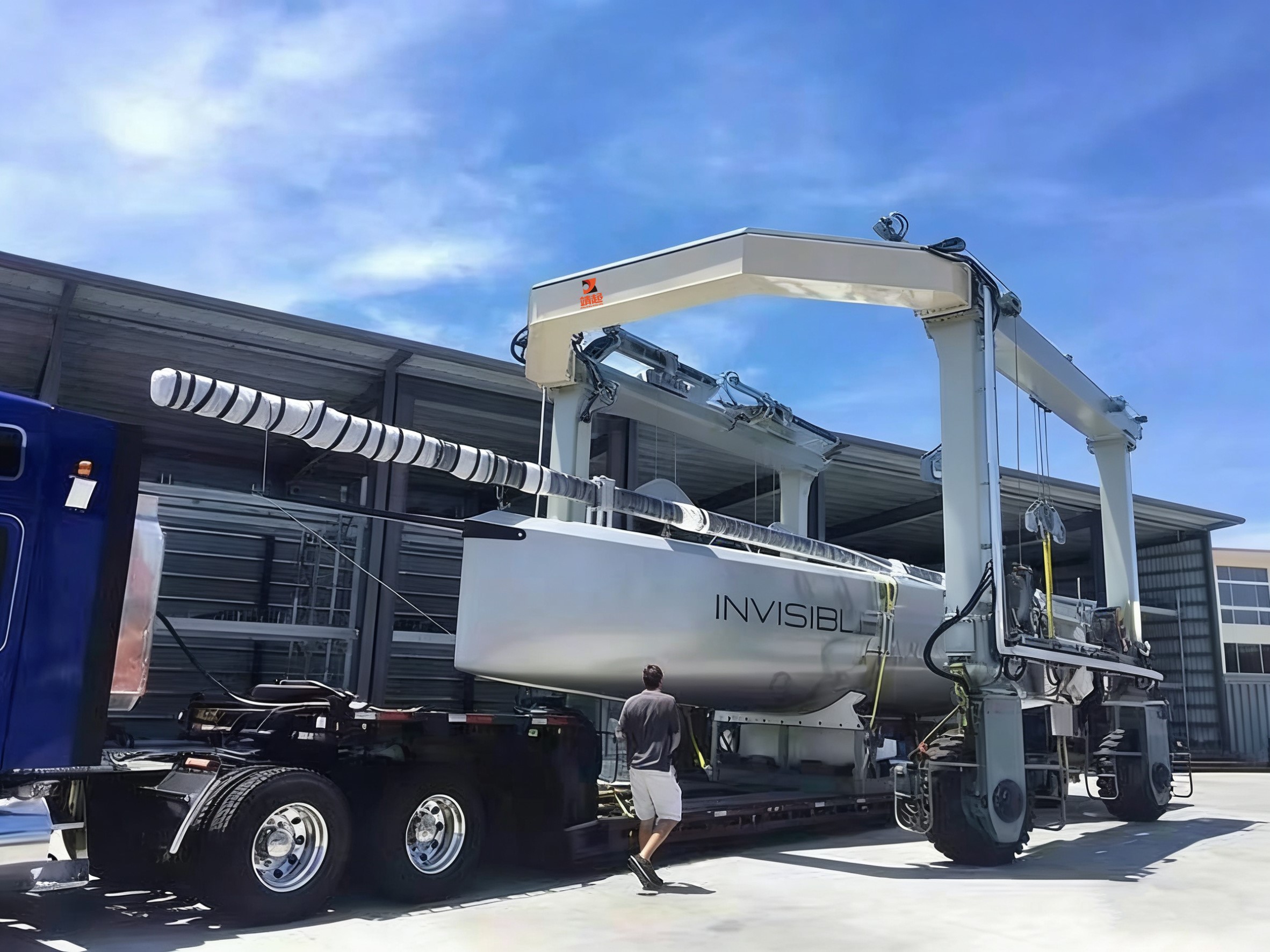
The Fundamentals of Pontoon Support in Marina Design
Pontoon support refers to the structural elements that bear and distribute loads from floating docks to secure foundations. It involves a combination of pilings, floats, brackets, and anchoring systems. Each component must be meticulously selected based on site-specific conditions such as water depth, tidal range, soil composition, and expected wave action.
In international projects, codes and environmental regulations vary. Engineers must adapt designs to local seismic activity, corrosion factors, and extreme weather patterns. A well-designed pontoon support system accommodates dynamic loads from boats, people, and equipment while minimizing environmental impact. For instance, in sensitive ecosystems, support structures may require special coatings or materials to prevent ecological disruption.
DeFever’s approach to marina projects often highlights integrated design, where pontoon support is considered from the initial conceptual phase. This proactive stance ensures compatibility with overall marina layout and functionality.
Material Selection for Durable Pontoon Support
Choosing the right materials is paramount for longevity. Common materials include galvanized steel, aluminum, concrete, and composite polymers. Galvanized steel offers high strength and is often used for pilings in areas with strong currents. Aluminum is lighter and resistant to corrosion, suitable for floating pontoon supports in saltwater environments.
Concrete pontoons provide excellent stability and load-bearing capacity but require careful installation. Composite materials, like fiberglass-reinforced plastics, are gaining popularity due to their low maintenance and resistance to rot and marine borers. Each material has trade-offs in cost, durability, and environmental footprint.
Innovations in material science have introduced eco-friendly options, such as recycled plastics, which align with sustainable marina development goals. The choice directly impacts the lifecycle cost and performance of pontoon support.
Engineering and Load Calculations for Pontoon Support
Accurate engineering calculations ensure that pontoon support can handle anticipated loads. This includes dead loads (permanent weight of the structure), live loads (boats, people, vehicles), and environmental loads (wind, waves, ice). Factors of safety are applied to account for uncertainties and extreme events.
Finite element analysis (FEA) and hydrodynamic modeling are tools used to simulate stress distribution and buoyancy. Engineers must consider load paths from the deck down to the seabed or anchor points. Improper calculations can lead to overstressing, fatigue, or failure.
International standards, such as those from PIANC (The World Association for Waterborne Transport Infrastructure), provide guidelines. Adhering to these ensures reliability and compliance in global projects.
Installation Techniques and Challenges
Installation of pontoon support systems demands precision and expertise. Methods vary based on whether the support is fixed (e.g., driven pilings) or floating (e.g., anchored pontoons). Fixed supports often require pile-driving equipment, which can be disruptive in busy waterways. Floating supports involve careful anchoring and mooring to prevent drift.
Challenges include working in tidal zones, poor underwater visibility, and coordinating with marine traffic. Seasonal weather windows may limit installation periods. Experienced contractors use specialized barges, divers, and GPS-guided equipment to place components accurately.
Quality control during installation is crucial. Even the best-designed pontoon support can fail if installation is subpar. Regular inspections and adjustments ensure alignment and stability.
Maintenance and Inspection Protocols
Regular maintenance extends the life of pontoon support. Inspection schedules should cover corrosion, wear, mechanical damage, and biological fouling. Underwater inspections by divers or ROVs (remotely operated vehicles) are necessary for submerged elements.
Maintenance tasks include cleaning, repainting, replacing sacrificial anodes, and tightening connections. In colder climates, ice damage prevention measures, such as de-icing systems, may be part of the support strategy.
Documenting maintenance history helps predict failures and plan repairs. Proactive upkeep reduces downtime and safety risks for marina operators.
Safety and Accessibility Considerations
Pontoon support directly influences marina safety. Stable supports prevent dock movement that could cause trips, falls, or vessel damage. They also ensure accessibility for all users, including those with disabilities, by providing level and secure walkways.
Safety features include non-slip surfaces, adequate lighting, and clear signage. In emergency situations, such as storms, robust pontoon support can prevent catastrophic detachment. Engineering for resilience against climate change impacts, like sea-level rise, is increasingly important.
International marinas often host diverse vessel types, from small boats to mega-yachts. Support systems must be adaptable to varying weights and sizes without compromising safety.
Environmental Impact and Sustainability
Sustainable pontoon support minimizes ecological disruption. This involves using non-toxic materials, reducing underwater noise during installation, and designing structures that enhance marine habitats (e.g., artificial reefs). Erosion control and water quality preservation are key concerns.
Green certifications, like Blue Flag or LEED, encourage eco-friendly practices. Innovations include solar-powered lighting integrated into supports and systems that allow natural water flow to reduce siltation.
Brands like DeFever advocate for balanced approaches that meet engineering needs while protecting marine ecosystems. This alignment with global sustainability trends is crucial for project approval and community acceptance.
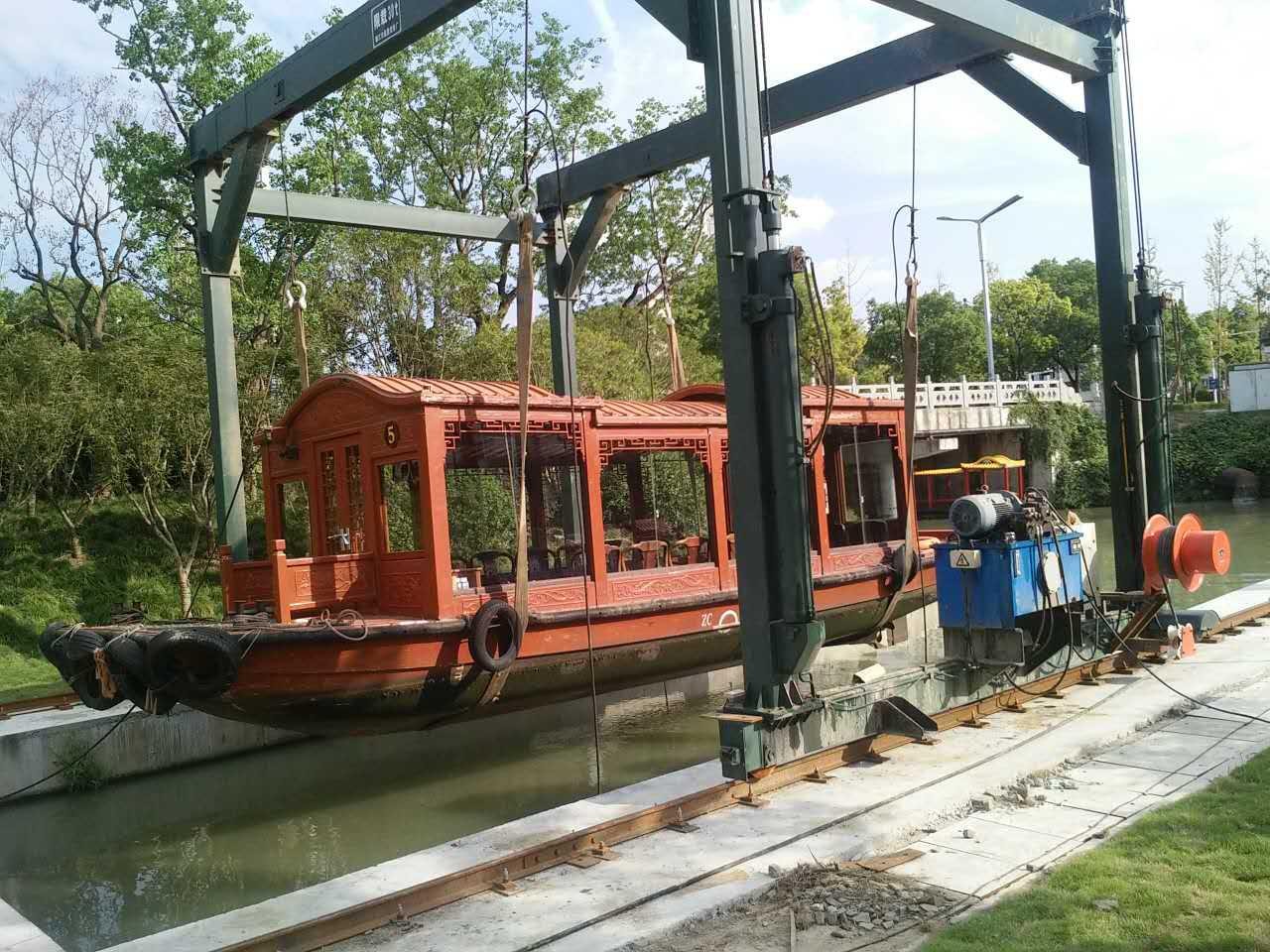
Future Trends in Pontoon Support Technology
Advancements are shaping the future of pontoon support. Smart marinas incorporate sensors into supports to monitor stress, corrosion, and movement in real-time. Data analytics enable predictive maintenance, reducing costs and enhancing safety.
Modular designs allow for easier expansion and reconfiguration. Lightweight, high-strength materials, such as carbon fiber composites, are being explored for specialized applications. Automation in installation and inspection, using drones and AI, is on the rise.
As yachting tourism grows globally, adaptable and resilient pontoon support systems will be in high demand. Industry leaders, including DeFever, are investing in R&D to stay ahead of these trends.
In conclusion, effective pontoon support is the backbone of any successful international yacht marina. From material choice to maintenance, each aspect requires careful planning and execution. By prioritizing robust design and sustainable practices, marina projects can achieve longevity and safety. As the industry evolves, embracing technological innovations will further enhance pontoon support reliability. Companies like DeFever continue to contribute expertise, ensuring that marinas worldwide meet the highest standards of engineering and environmental stewardship.
Frequently Asked Questions (FAQs)
Q1: What is the primary purpose of pontoon support in a yacht marina?
A1: The primary purpose of pontoon support is to provide structural stability and load distribution for floating docks and walkways. It ensures safety, prevents movement, and extends the lifespan of marina infrastructure by anchoring it securely against water currents, waves, and vessel impacts.
Q2: How often should pontoon support systems be inspected?
A2: Pontoon support systems should undergo routine visual inspections at least twice a year, with more detailed underwater inspections annually. In harsh environments or high-traffic marinas, quarterly checks may be necessary to detect early signs of corrosion, damage, or wear.
Q3: What are the common materials used for pontoon support, and which is best for saltwater?
A3: Common materials include galvanized steel, aluminum, concrete, and composites. For saltwater environments, aluminum and composite polymers are often preferred due to their high corrosion resistance. Galvanized steel can also be used with proper coatings and cathodic protection.
Q4: Can pontoon support be retrofitted in existing marinas?
A4: Yes, pontoon support can be retrofitted, but it requires careful engineering assessment. Existing structures must be evaluated for compatibility, and installation may involve temporary closures or phased work. Retrofitting can upgrade safety and capacity, but costs and logistics vary based on site conditions.
Q5: How does pontoon support impact marina accessibility and safety?
A5: Stable pontoon support ensures level and secure walkways, reducing trip hazards and improving accessibility for all users, including those with disabilities. It also prevents dock shifting during storms or heavy use, enhancing overall safety for boats and pedestrians. Proper design includes features like non-slip surfaces and emergency resilience.