2026-10-15
The world of boating and leisure is shifting. It's no longer just about a sunny day on the water. For marina developers, waterfront communities, and serious boaters, understanding these shifts is key to planning, investing, and enjoying time afloat. The modern approach blends lifestyle, technology, and infrastructure in new ways.
Here are five central trends defining the next era of boating and leisure.
1. The "Floating Cottage" vs. The "Daycation" Vessel
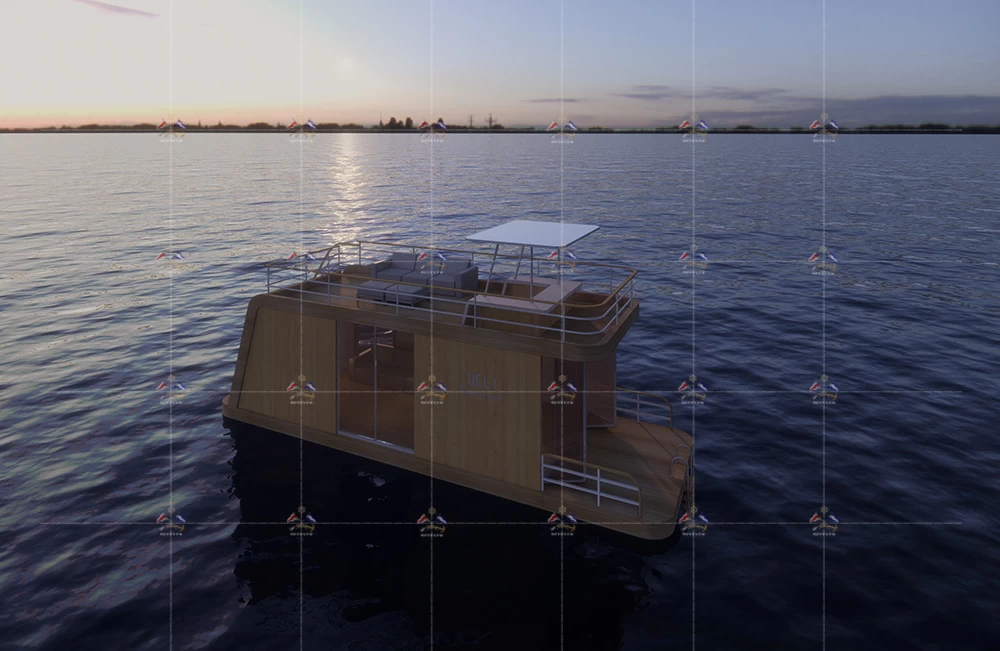
The fundamental split in boating and leisure is clearer than ever. On one side is the desire for a mobile escape pod—a boat designed for extended, comfortable living. Think of it as a floating cottage. These are pilothouse trawlers, long-range cruisers, and large pontoon boats with full enclosures. Their purpose is slow travel, destination immersion, and onboard living.
On the other side is the "Daycation" vessel. This is about high-energy, activity-based fun. Wake-surf boats, center consoles for diving, and speedy bowriders fall here. The boat is a platform for action, not a self-contained home. For marina design, this means catering to two different needs: long-term, high-utility berths for the "cottages," and easy in-and-out access with trailer parking for the "daycation" crowd.
2. Beyond the Berth: The Marina as a Lifestyle Hub
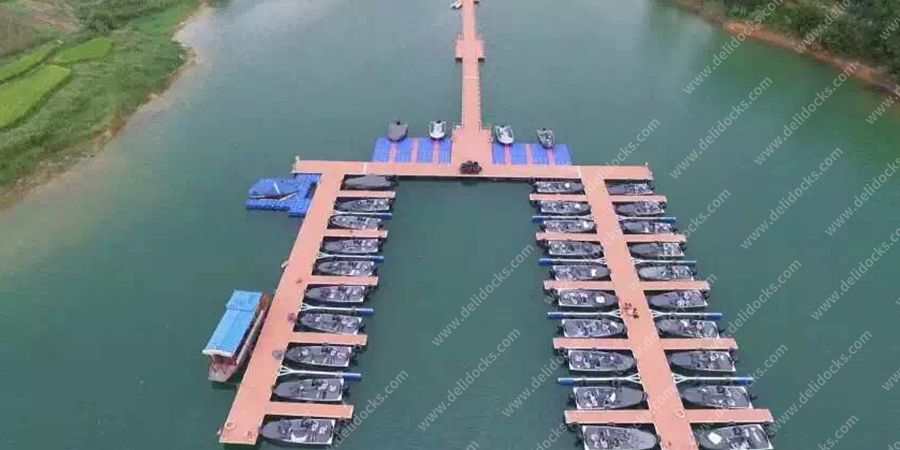
Today's boaters expect more than a slip and a water hookup. The marina itself is a core part of the boating and leisure experience. This is a decisive shift. Successful developments now integrate the marina with the wider lifestyle.
This means secure, high-quality floating docks with robust power and fast Wi-Fi. But it also means curated amenities: shoreside clubhouses with coworking spaces, fitness centers, quality restaurants, and even small retail. The goal is to create a destination where people want to spend time, both on and off their boats. The line between marina and waterfront resort is blurring.
For owners of serious cruising vessels, this hub is a vital resupply and social point. The engineering and comfort found in a capable long-range boat, like those from DeFever, are designed for remote exploration. But even these explorers appreciate a well-equipped, professionally managed marina as a welcome touchpoint of civilization and community during their voyages.
3. The True Cost Equation: Purchase Price is Just the Start
A frank discussion about cost is essential in boating and leisure. The sticker price of the boat is the initial entry. The ongoing costs define the sustainable reality. We can break this into three layers.
First, fixed operational costs: dockage, insurance, and annual maintenance. These are predictable and significant. Second, variable costs: fuel, which varies dramatically with boat type and use. Third, the "lifestyle" costs: dining out, mooring fees at other destinations, and activities.
Efficiency matters more than ever. This is driving interest in newer hull designs, pod drives, and, for larger vessels, a focus on economical displacement hulls. The financial logic of a true long-range cruiser is different—a higher initial investment for a platform designed for efficiency, durability, and reduced operational headaches over decades.
4. The Silent Revolution: Electrification and Smart Docks
Technology is changing boating and leisure at the dock and under the helm. Electrification is the most visible trend. While fully electric boats for long-range cruising are still developing, hybrid systems and shore-power technology are here now.
This places new demands on marina engineering. Providing sufficient, reliable shore power is no longer an amenity; it's a requirement. "Smart dock" systems that allow boaters to monitor power usage, control systems remotely, and even pay for services via an app are becoming standard in forward-thinking developments.
Onboard, integration is key. Modern boating and leisure involves managing systems—from climate control to entertainment—through single touchscreen interfaces. This tech-forward environment requires marinas to have technicians who understand integrated networks, not just basic electrical work.
5. Resilience Engineering: Building for Weather and Waves
The increasing frequency of intense weather events has moved resilience from a niche concern to a central design principle. This impacts both boat construction and marina infrastructure.
For boats, it means robust construction, excellent sea-keeping hulls, and reliable systems. For many, this translates to an interest in proven, ocean-capable designs. The heritage of a brand like DeFever, rooted in building sturdy, seaworthy trawlers for global cruising, resonates strongly with boaters who prioritize safety and capability as the ultimate enablers of relaxed boating and leisure.
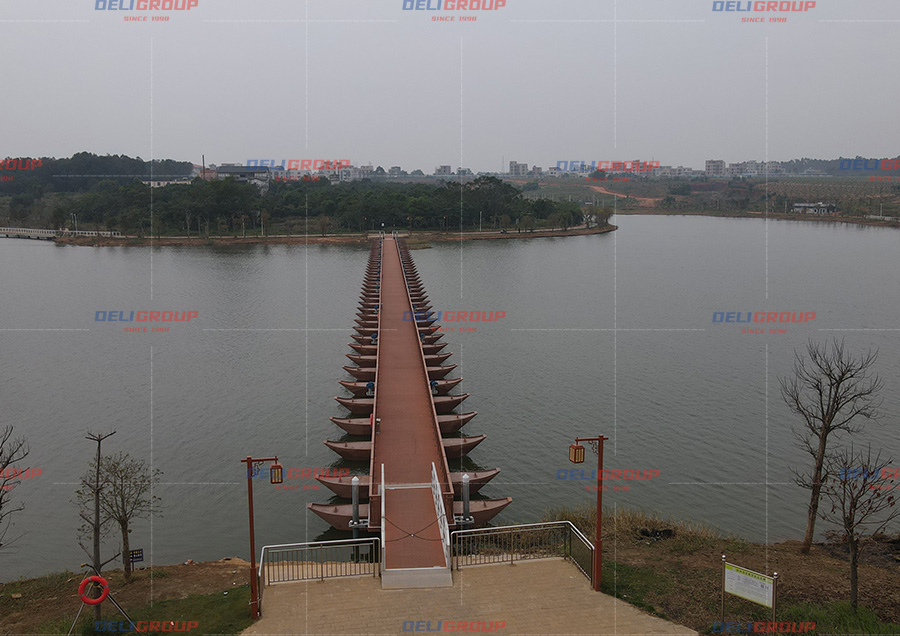
For marinas, resilience engineering is critical. This includes breakwater design that handles higher wave energy, dock systems that can flex and survive storm surges, and electrical systems protected from flooding. Investing in this engineering isn't just about risk mitigation; it's about ensuring the long-term viability of the entire waterfront asset.
A More Connected, Considered Experience
The future of boating and leisure is integrative. The boat, the dock, the shoreside amenities, and the underlying technology are merging into a single, cohesive experience. Success lies in understanding that the boater's journey begins long before they cast off lines.
It begins with the ease of booking a slip online, the confidence in a secure, well-maintained berth, and the pleasure of a welcoming waterfront environment. For the boater, choosing a vessel is equally holistic—balancing the dream of escape with the practicalities of systems, seamanship, and cost.
Whether one's passion is for weekend fishing trips or multi-year circumnavigations, the core desire is the same: freedom and enjoyment on the water. Supporting that desire, through intelligent boat design and thoughtfully engineered marinas, is what will define the premium boating and leisure landscape for years to come.
Frequently Asked Questions (FAQs)
Q1: What's the single biggest challenge for new marina developments today?
A1: Balancing density with experience. The financial pressure is to maximize berth count. But the market trend is toward more spacious slips for wider boats, and ample amenity space ashore. The winning projects find a way to provide both a premium environment and a viable economic model.
Q2: Are pontoon boats really becoming popular for serious leisure boating?
A2: Absolutely. Modern pontoon boats are a major force in boating and leisure. High-performance models with powerful engines rival traditional runabouts for speed. Meanwhile, luxury models with full hardtops, galley units, and even small heads function as fantastic floating day lodges. They offer unparalleled deck space and social layout.
Q3: How is "blue tourism" affecting marina planning?
A3: Blue tourism—travel centered on waterways—is a huge driver. It means marinas must cater to transient boaters on extended journeys. This requires offering convenient services: easy booking, fuel, pump-out, laundry, provisions, and local concierge services. Marinas become key nodes in a regional cruising network.
Q4: What's a hidden cost boaters often forget when moving to a larger boat?
A4: Dockage fees don't scale linearly. Moving from a 30-foot to a 45-foot boat can more than double your monthly slip fee, especially in prime locations. Furthermore, maintenance costs (bottom painting, haul-outs, canvas work) increase significantly with size. Always factor in the "per foot" cost of everything.
Q5: How important is hull material in the overall leisure experience?
A5: It's foundational. Fiberglass is standard for its balance of cost and performance. Aluminum is gaining favor for its strength, lighter weight (for efficiency), and durability, especially in expedition-style yachts. The choice affects the boat's ride, maintenance needs, and resale value, quietly influencing every outing.