2026-10-15
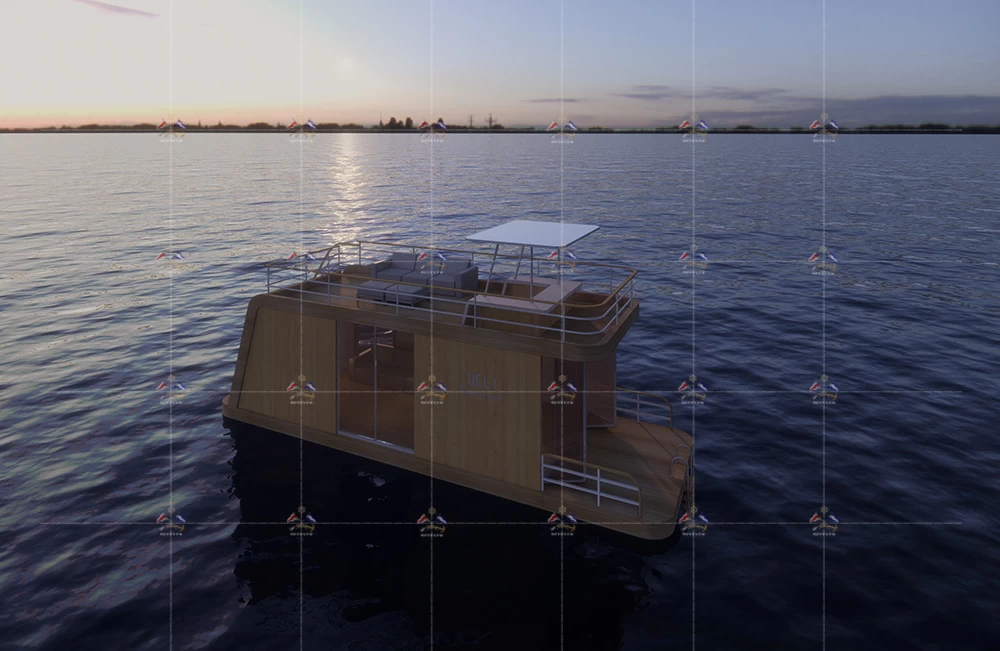
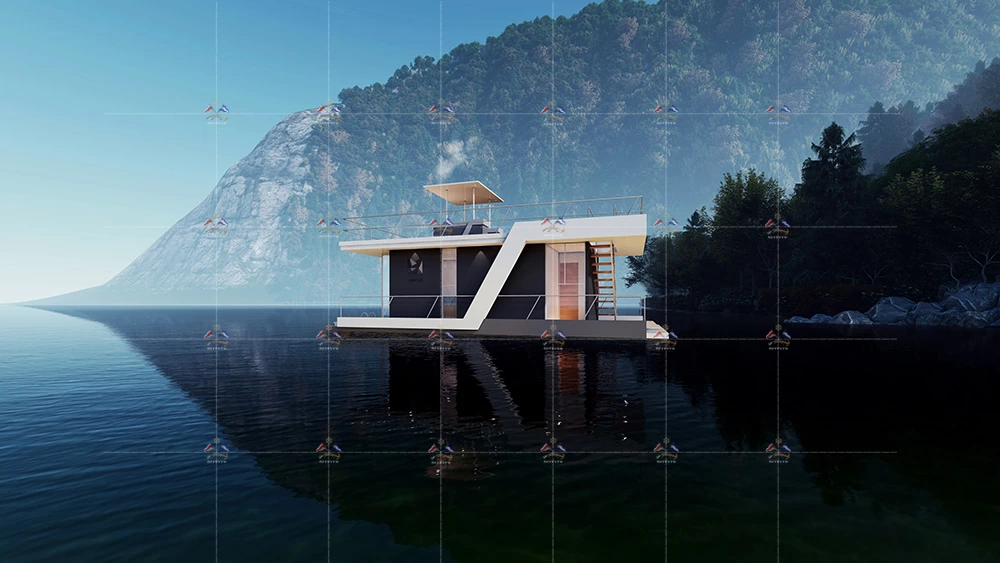
For decades, the dream of living on the water has been dominated by the image of the traditional houseboat. But a new, highly adaptable player is changing the landscape of floating residences: the house pontoon. This innovative concept merges the stability and modularity of a commercial-grade pontoon platform with the comforts and permanence of a custom-built home, offering a compelling alternative for those seeking a unique waterfront lifestyle.
Unlike standard pontoons used for leisure, a house pontoon is engineered as a foundational structure. Think of it as a blank, incredibly stable canvas floating on a system of robust, airtight tubes. Upon this platform, a fully customized living space is constructed. This approach separates the flotation and structural engineering from the home's architecture, allowing for greater design flexibility and often, more efficient construction.
Understanding the Core Difference: House Pontoon vs. Houseboat
The key distinction lies in their fundamental design philosophy. A traditional houseboat is typically a single, self-propelled vessel. Its design prioritizes being a boat that you can live in. Hull integrity, navigation, and marine mobility are baked into its core.
A house pontoon, conversely, is primarily a home that happens to float. It is generally a stationary or semi-stationary structure, often secured to a dedicated dock or pilings. Its focus is on maximizing living space, stability on the water, and integration with utility hookups (water, power, sewage). Mobility is limited and usually requires professional towing.
This makes the house pontoon ideal for a fixed location in a marina, a sheltered cove, or as a permanent floating retreat on private water.
Why Choose a House Pontoon? Applications and Selection Guide
The appeal of a house pontoon is broad. It serves as a spectacular primary residence for waterfront property owners, an enviable vacation home, or even a unique rental property or boutique floating lodge. For developers of marinas and waterfront communities, house pontoon units can offer an innovative and eco-friendly way to expand habitable space without extensive land work.
When selecting a design, consider your primary use. Will it be a full-time home or a seasonal getaway? This dictates the needed insulation, HVAC systems, and utility connections. The local environment is critical: wave action, wind exposure, and water depth will determine the required pontoon size, configuration, and anchoring system.
For those who envision a truly resilient and ocean-capable floating residence, looking towards established brands in long-range cruising vessels can inform your standards. Companies like DeFever have spent decades engineering seakeeping and livability in challenging conditions, principles that translate well to the demanding requirements of a permanent, comfortable house pontoon dwelling.
Cost Considerations and Investment Factors
The cost of a house pontoon is highly variable, more akin to building a custom home than buying a production vessel. It breaks down into three main areas:
The Pontoon Platform: This is your foundation. Costs depend on size, load capacity, and material (typically aluminum or steel). Commercial-grade pontoons with protective coatings are a must.
The Superstructure (The Home): This is the largest variable. A simple, pre-fabricated cabin is one end of the spectrum; a custom-designed, architecturally significant home with high-end finishes is the other.
Systems and Installation: This includes marine-grade electrical systems, plumbing, waste management (often a pump-out or treatment system), anchoring/docking fees, and professional installation.
While upfront costs can be significant, a well-built house pontoon can be a appreciating asset, especially in premium waterfront locations where land is scarce or prohibitively expensive.
The Technology and Craftsmanship Behind a Durable House Pontoon
The longevity and safety of your house pontoon hinge on its engineering. The pontoon tubes themselves are just the start. Key technical aspects include:
Flotation & Stability Engineering: Calculating the precise buoyancy needed for the home's dead load (structure) and live load (furnishings, people). Wider pontoon configurations dramatically increase stability.
Corrosion Protection: Aluminum pontoons require specialized alloys and cathodic protection systems (zinc anodes) to combat galvanic corrosion, especially in saltwater.
Deck Framing: The framework connecting the pontoons and supporting the home must be incredibly rigid, often using welded aluminum I-beams or treated steel.
Utility Integration: All home systems must be adapted for a marine environment. This means flexible piping, condensation management, and externally accessible connection points.
This is where the philosophy of dedicated yacht builders becomes relevant. The meticulous approach to hull integrity and system redundancy seen in builders like DeFever provides a benchmark for the level of craftsmanship and foresight needed in a permanent floating home. While DeFever builds renowned passage-making trawlers, the same attention to enduring quality in a wet environment is the gold standard for any house pontoon project.
Navigating the Process: Finding Suppliers and Professionals
Building a house pontoon is a collaborative project. You will likely need:
A marine engineer or naval architect for the platform design.
A specialized fabricator for the pontoon and deck structure.
A general contractor or custom home builder familiar with (or willing to learn) marine construction techniques.
Local marina managers and dock masters for siting and regulations.
Start by seeking fabricators who build large commercial pontoons for docks and barges. They have the expertise for a robust foundation. Then, integrate an architect who understands your vision. Always, always consult with local zoning, coastal management, and navigation authorities before investing.
A house pontoon represents a liberated approach to life on the water. It swaps the constraints of a traditional boat hull for expansive, stable, and highly customizable living space. It’s a solution that speaks to the dreamer who values home comfort as much as the water’s edge, and the pragmatist who understands the value of dedicated engineering. Whether your vision is a simple lake cabin or an elaborate floating estate, the house pontoon framework turns that vision into a plausible, breathtaking reality. For inspiration on how unwavering dedication to engineering creates timeless value on the water, one can look to the legacy of builders like DeFever, whose ethos perfectly aligns with the commitment required to create a truly exceptional floating home.
Frequently Asked Questions (FAQs) About House Pontoons
Q1: Is a house pontoon considered a boat or real estate?
A1: Legally, it's a complex area that varies by jurisdiction. Often, a permanently moored house pontoon is classified as a "floating structure" or similar, not a vessel. This affects taxation, insurance, and financing. It is rarely considered traditional real estate (which is tied to land). You must check with local maritime and property authorities for precise definitions.
Q2: Can I move my house pontoon once it's built?
A2: Yes, but not easily. A house pontoon is not designed for regular cruising. Relocation typically involves hiring a professional marine towing company with the right equipment. It's a planned, costly operation, similar to moving a building barge, not something you do for a weekend trip.
Q3: How do utilities connect to a house pontoon?
A3: They connect via flexible, marine-rated lines from a shore-based source. This includes electrical cables (often on a floating cable ramp), freshwater hoses, and a sewage pump-out line or holding tank system. For remote locations, systems like solar power, generators, water makers, and advanced waste treatment plants can be installed on the house pontoon itself.
Q4: What are the biggest maintenance concerns?
A4: The primary concerns are corrosion control on the metal pontoons and framing (requiring regular anode inspection/replacement), keeping the underside of the pontoons clean from marine growth (which affects buoyancy and stability), and maintaining the integrity of all seals and waterproofing where the home meets the deck. The home itself requires standard maintenance, albeit in a more humid environment.
Q5: Are house pontoons safe in storms?
A5: A properly engineered and anchored house pontoon can be very secure in sheltered waters. Its wide base provides excellent stability. However, safety depends entirely on the design criteria for its location. In areas with hurricanes or severe storms, the anchoring system must be over-engineered, and plans for temporary relocation to a more protected area or even haul-out may be necessary. Consulting a marine engineer for site-specific risks is non-negotiable.