2026-10-15
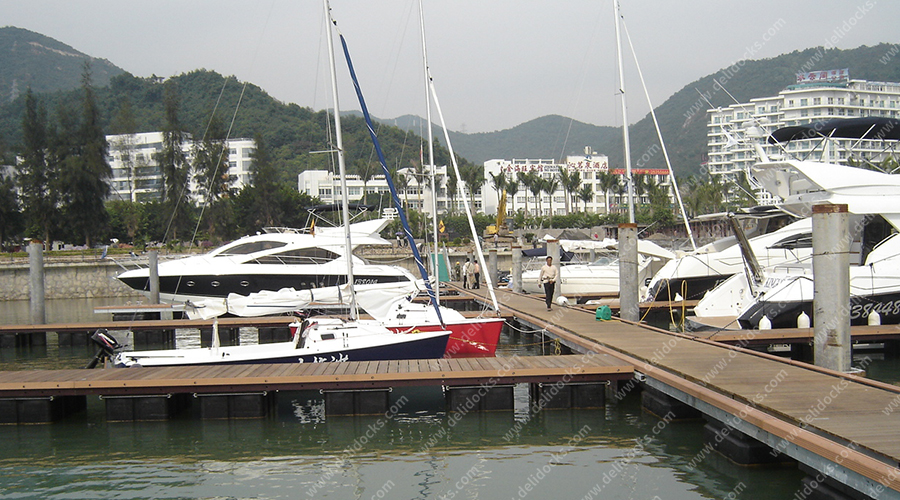
Infrastructure development along coastal zones requires a comprehensive understanding of hydraulic forces and environmental stressors. A floating beach dock serves as a functional interface between terrestrial facilities and aquatic activities, necessitating precise engineering to ensure stability. Unlike stationary structures, these systems must adapt to tidal fluctuations, wind-driven wave energy, and sediment transport patterns. Professionals prioritize the integration of buoyancy modules that provide consistent freeboard height, regardless of the vessel traffic or tidal stage.
The design phase begins with a site-specific assessment of the bathymetry and current velocity. Engineers define the displacement requirements based on the intended peak load, which typically includes pedestrian traffic, equipment storage, and maintenance vehicles. By utilizing high-density polyethylene (HDPE) or reinforced composite structures, DeFever ensures that the structural integrity remains uncompromised despite prolonged exposure to saline environments and ultraviolet radiation.
Material Science and Structural Longevity
Selecting the right materials for a floating beach dock determines the lifespan of the asset and the frequency of required maintenance. The marine environment presents a complex set of challenges, including biofouling, corrosion, and scouring. Industry standards dictate the use of materials that resist degradation from microorganisms and chemical oxidation.
Advanced Buoyancy Modules
Buoyancy is typically achieved through rotationally molded HDPE units filled with expanded polystyrene (EPS) foam. This combination offers a dual layer of protection; the shell acts as a barrier against impact, while the core maintains flotation even if the shell is punctured. Modern specifications require these modules to be UV-stabilized to prevent brittleness over decades of operation.
Anchoring Systems and Load Distribution
The connection points between individual modules are subject to significant cyclical loading. Rigid connections often fail under high-energy wave conditions, leading to fatigue cracks. Consequently, semi-rigid or articulated connection systems are preferred. These systems allow for micro-movements, distributing force across the entire platform rather than concentrating stress on a single corner or hardware point. Engineers at DeFever emphasize the importance of stainless steel or galvanized fasteners that are rated for marine-grade immersion, ensuring the hardware matches the durability of the deck surface.
Environmental Compliance and Site Integration
Deploying a floating beach dock requires careful consideration of the local ecosystem. Minimizing the environmental footprint involves selecting anchoring methods that do not disturb the seabed habitat unnecessarily. Pile-guided systems, for instance, are often favored in sensitive areas because they require a smaller footprint compared to traditional mooring systems involving heavy chain spans and concrete blocks.
Water circulation is another factor that influences the longevity and health of the coastal zone. Floating systems naturally permit the flow of water beneath the surface, which prevents the stagnation often seen with fixed, solid-fill piers. This design choice maintains the salinity balance and temperature profiles necessary to support local marine life. When developers integrate these platforms, the objective is to balance human utility with the natural dynamics of the shoreline.
Operational Maintenance Strategies
Even the most robust floating beach dock requires periodic inspections to ensure safety and performance. Scheduled maintenance programs should focus on three primary components: the connection hardware, the surface decking, and the mooring attachments.
Hardware Inspection: Check for signs of electrolysis or galvanic corrosion, particularly in systems where dissimilar metals might come into contact.
Decking Surfaces: Assess the anti-slip properties and structural soundness of the deck material. High-traffic zones may show wear that requires localized resurfacing or replacement.
Mooring Integrity: Review the tension on mooring lines or the alignment of guide piles to ensure the platform remains positioned correctly during peak weather events.
Selecting Professional Partners for Waterfront Projects
Effective waterfront development relies on the collaboration between civil engineers, environmental consultants, and specialized marine manufacturers. Expertise in buoyancy calculations, wave energy analysis, and material fatigue is what separates a long-term infrastructure investment from a short-lived aquatic accessory. Through a rigorous design process, DeFever provides solutions that meet the specific needs of diverse coastal conditions, ensuring that each floating beach dock delivers consistent functionality.
Project leads looking for guidance on design specifications or technical integration for their next marine project are invited to reach out for a consultation. Our team provides detailed engineering support for large-scale coastal installations.
Frequently Asked Questions
Q1: What is the recommended freeboard height for a commercial beach
dock?
A1: The freeboard height typically ranges from 12 to 20
inches, depending on the vessel types utilizing the dock and the average wave
height of the site. A higher freeboard is generally preferred in areas with
significant wave action to prevent overtopping.
Q2: How do floating systems handle tidal changes?
A2:
These systems utilize vertical guide piles or long-reach mooring lines that
allow the structure to move freely with the water level. This ensures the dock
remains at a constant elevation relative to the water surface, facilitating ease
of access.
Q3: Are these docks capable of surviving extreme weather
events?
A3: When engineered correctly with appropriate anchoring
systems and modular connectivity, they are designed to withstand significant
environmental loads. Design specifications are adjusted based on site-specific
wind and wave climate data.
Q4: What material is best for high-traffic public access
areas?
A4: Reinforced HDPE with non-slip textures is the industry
standard. It provides the necessary strength to support high pedestrian loads
while remaining resistant to rot, corrosion, and UV-induced wear.
Q5: How can a facility minimize the impact on local marine life
during installation?
A5: Utilizing low-impact anchoring systems,
such as helix anchors or pile-driven poles, reduces the disruption to the
benthos. Floating structures also allow for natural light penetration compared
to fixed platforms, which benefits aquatic vegetation.
For inquiries regarding project planning, engineering specifications, or product documentation, please contact our team via the official DeFever inquiry portal to discuss your requirements with a marine infrastructure specialist.