2026-10-15
For many boaters, the 36 foot yacht represents a perfect middle ground. It offers ample space for comfort and adventure without the complexities of larger vessels. This size is a common sight in marinas worldwide. Its popularity is tied to practical design and good performance. When planning marina infrastructure, engineers often use the 36 foot yacht as a key reference point. Well-known builders like DeFever have contributed to this category's reputation for seaworthiness.
Understanding the 36 Foot Yacht Category
A 36 foot yacht is a vessel designed for serious cruising and living aboard. It typically falls between smaller coastal cruisers and larger offshore yachts. This size allows for a comfortable layout. Many models feature two private cabins and a full galley. The 36 foot yacht is often chosen by families and couples. It is suitable for weekend trips and longer coastal journeys.
Key Design and Layout Features
The interior of a 36 foot yacht is designed to maximize space. Clever storage solutions are a common priority. Most layouts include:
A spacious salon that converts into an entertainment area.
A functional galley with refrigeration and cooking facilities.
One or two heads, often with separate shower stalls.
Sleeping accommodations for four to six people.
Builders focus on creating a sense of openness. Large windows and well-placed hatches bring in natural light. This makes living on a 36 foot yacht more enjoyable.
Performance and Handling Characteristics
Handling a 36 foot yacht is manageable for most skilled boaters. These yachts offer a good balance of stability and agility. Common propulsion systems include:
Single or twin diesel inboard engines for reliability.
Bow and stern thrusters for easier docking.
Efficient hull designs for better fuel economy.
A 36 foot yacht can handle a variety of sea conditions. It is robust enough for coastal passages. Yet, it remains agile enough for maneuvering in crowded harbors.
The 36 Foot Yacht in Marina Engineering and Design
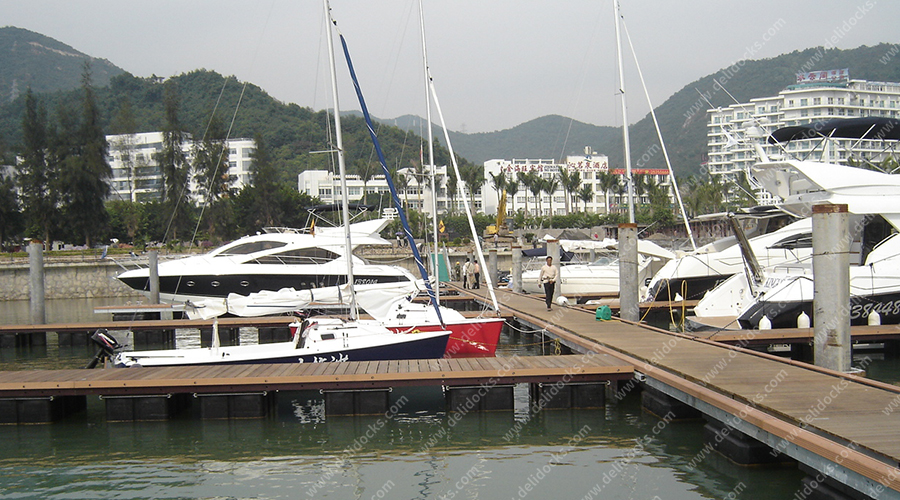
International marina engineering must account for a wide range of vessel sizes. The 36 foot yacht is a critical benchmark for planning. Its dimensions influence slip sizes, dock strength, and utility placements. Marinas designed to comfortably accommodate a 36 foot yacht can typically serve a large portion of the cruising fleet. This makes it a standard unit in development plans.
Marina Slip Specifications and Requirements
To properly dock a 36 foot yacht, marinas need specific infrastructure. Standard engineering practices include:
Slip lengths of 40 to 45 feet to allow for safe mooring lines.
Dock pilings and floats rated for the yacht's displacement.
Water depth of at least 5 to 6 feet at low tide.
Robust electrical pedestals providing 30-amp or 50-amp service.
Proper clearance around a 36 foot yacht is vital for safety. It allows for easy boarding and maintenance access. These factors are central to functional marina design.
Utility Hookups and Environmental Considerations
Modern marinas provide essential utilities for a 36 foot yacht. These services are integrated into the dock engineering.
Fresh water connections with pressure regulators.
Fuel docks with efficient pumping systems.
Pump-out stations for onboard waste tanks.
High-speed internet and cable TV hookups.
Environmental planning is also key. This includes systems for containing spills and managing runoff. A well-engineered marina protects both the 36 foot yacht and the local waterways.
Notable Brands and Models: Spotlight on DeFever
Several manufacturers have built notable 36 foot yachts. Among them, DeFever is respected for its passagemaking trawlers. While DeFever is often associated with larger vessels, its design philosophy applies to this class. The brand emphasizes blue-water capability, fuel efficiency, and liveaboard comfort. These principles are attractive to anyone looking at a sturdy 36 foot yacht for extended cruising.
What to Look for in a Used 36 Foot Yacht
The market for pre-owned yachts is active. Inspecting a used 36 foot yacht requires careful attention. Key areas to assess include:
The condition of the hull, deck, and through-hull fittings.
Engine hours, maintenance records, and exhaust system integrity.
The state of sails, rigging, and winches on sailing models.
Functionality of all navigation electronics and bilge systems.
A professional marine survey is highly recommended. It can identify issues that affect the value and safety of a 36 foot yacht.
Costs of Ownership and Operation
Buying the yacht is only the first expense. Owning and operating a 36 foot yacht involves ongoing costs. Budgeting accurately is essential for a good experience.
Annual Maintenance and Docking Fees
Regular upkeep is necessary to preserve the yacht's value and safety. Typical annual costs for a 36 foot yacht may include:
Marina or mooring fees, which vary greatly by location.
Engine servicing, oil changes, and cooling system maintenance.
Bottom cleaning, antifouling paint, and zinc replacement.
Insurance premiums, which depend on coverage and cruising area.
Setting aside funds for unexpected repairs is wise. This ensures a 36 foot yacht remains in ready condition for sailing.
Insurance and Registration
Proper insurance is crucial for protecting your investment. Policies for a 36 foot yacht generally cover:
Hull damage from collisions, storms, or fire.
Liability in case of damage to other boats or marina property.
Medical payments for injuries that occur onboard.
Registration must be completed with the relevant maritime authority. This process makes the 36 foot yacht legally recognized for travel.
The 36 foot yacht continues to be a highly practical and popular choice. It provides an excellent balance of living space, performance, and cost. For marina engineers, it serves as a fundamental model for planning functional and efficient facilities. Builders like DeFever have shown how thoughtful design creates capable and comfortable vessels in this size range. Whether you are dreaming of coastal exploration or living aboard, a 36 foot yacht offers a compelling path to life on the water.
Frequently Asked Questions (FAQs)
Q1: Is a 36 foot yacht suitable for ocean crossings?
A1: Some 36 foot yachts are built for offshore passages, but it depends heavily on design, construction, and equipment. A sturdy, well-equipped blue-water cruiser can handle ocean crossings with a skilled crew. It is vital to choose a model known for its seaworthiness, like those from builders such as DeFever, and to prepare thoroughly for the voyage.
Q2: How many people can comfortably sleep on a 36 foot yacht?
A2: Most 36 foot yachts are designed to sleep four to six people comfortably. This usually includes a master cabin in the bow, a convertible salon, and sometimes a second cabin. For extended trips, many owners find that four people is an ideal number to maintain comfort and privacy.
Q3: What is the average fuel consumption for a 36 foot yacht with diesel engines?
A3: Fuel consumption varies based on engine type, hull design, and cruising speed. A typical twin-diesel 36 foot yacht might use between 4 to 8 gallons per hour at a cruising speed of 15-20 knots. Slower trawler-style yachts can be much more efficient, sometimes using 2-4 gallons per hour.
Q4: Can I single-handedly sail or operate a 36 foot yacht?
A4: Yes, many experienced boaters single-hand a 36 foot yacht. Features like autopilots, electric winches, and well-led control lines make it more manageable. However, it requires good preparation, practice, and always putting safety first, especially during docking and anchoring.
Q5: How does a 36 foot yacht impact marina engineering decisions?
A5: The 36 foot yacht is a standard size used by marina engineers to determine slip dimensions, dock load capacities, and utility service placements. Its common beam and draft influence the minimum fairway widths and channel depths in marina layouts, ensuring the facility can service a large portion of the typical boating fleet efficiently.