Running a marina involves much more than renting slips. Successful marina operations are a complex blend of hospitality, property management, and technical engineering. Every day brings tasks related to safety, customer satisfaction, and infrastructure upkeep.
For boat owners, a well-run marina provides peace of mind. They know their vessel is secure and services are reliable. This is especially true for owners of larger craft, such as a DeFever long-range cruiser, which depends on robust shore power and safe berthing.
This guide examines the key components that keep a marina functioning smoothly. We will look at daily tasks, engineering needs, and strategies for long-term success in this unique industry.
The Core of Daily Marina Management
Effective marina operations start with organized daily management. This front-of-house work directly impacts customer experience and revenue. It sets the tone for the entire facility.
Dockmaster and Staff Duties
The dockmaster is central to daily activities. This role requires knowledge of boat handling, customer service, and safety protocols. Their team is responsible for the visible flow of the marina.
Slip Assignments and Moves: Efficiently assigning slips based on vessel size, draft, and owner needs. Coordinating seasonal moves or guest dockage.
Customer Interface: Greeting boaters, handling inquiries, and providing local knowledge. This builds a community feel and encourages repeat business.
Monitoring Dock Conditions: Regularly walking the docks to check lines, fenders, and report any damage or hazards immediately.
Administration and Financial Controls
Behind the scenes, administrative tasks keep the business solvent. Modern software systems are crucial for managing these aspects of marina operations.
Key areas include slip lease management, invoicing, and tracking utility usage. Inventory for the ship's store or fuel dock must also be monitored. Detailed records are essential for billing accuracy and resolving disputes.
Engineering and Infrastructure Maintenance
The physical infrastructure is the marina's backbone. Proactive maintenance prevents failures that can disrupt marina operations and damage customer vessels. This is the engineering heart of the facility.
Dock and Piling Systems
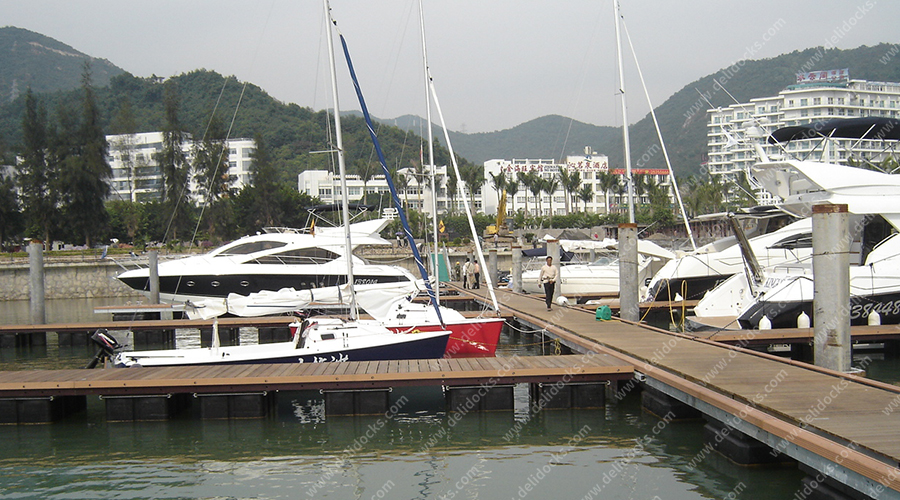
Regular inspection of floating docks, fixed piers, and pilings is non-negotiable. Engineers look for corrosion, wood rot, or structural fatigue. Electrical systems on the docks require particular attention.
Electrical Systems: Testing Ground Fault Circuit Interrupters (GFCIs), inspecting pedestals for corrosion, and ensuring voltage stability. A failure here can affect many boats, including sensitive systems on electronics-heavy yachts.
Water and Pump-Out: Maintaining pressurized water lines and vacuum pump-out stations to prevent spills and ensure service availability.
Fendering and Rub Rails: Replacing worn fenders to protect both the dock and boats, from small runabouts to heavy vessels like a DeFever trawler.
Dredging and Navigational Aid
Sedimentation is a constant challenge. Regular bathymetric surveys track water depth in channels and slips. Planning dredging projects is a major capital expense in marina operations.
Maintaining clear channel markers, dock lighting, and hazard buoys is a safety imperative. Good lighting deters theft and helps boaters after dark.
Safety, Security, and Emergency Response
A safe environment is the highest priority. Comprehensive plans and training define professional marina operations. Liability risks are high, making prevention critical.
Developing Safety Protocols
Written procedures should be clear and accessible to all staff. Regular drills ensure everyone knows their role in an emergency.
Common protocols cover fire response, man-overboard situations, severe weather plans, and fuel spill containment. Coordination with local fire departments and the Coast Guard is essential.
Security Measures
Security balances accessibility with protection. Measures vary based on location but often include a combination of the following.
Controlled Access: Key cards, gates, or codes for dock entry.
Surveillance: Strategically placed cameras monitoring dock entrances, fuel docks, and common areas.
Lighting and Patrols: Adequate lighting throughout the facility and periodic security checks by staff.
Environmental Stewardship and Compliance
Marinas operate at the intersection of business and sensitive ecosystems. Strong environmental practices are both a legal requirement and a community responsibility.
This involves proper waste oil recycling, bilge water management, and encouraging the use of non-toxic cleaning products. Stormwater runoff from the parking lot and docks must be managed to prevent pollution.
Compliance with regulations from bodies like the EPA or local water authorities is a constant aspect of marina operations. Failure can result in significant fines and reputational damage.
Customer Services and Amenities
Beyond the basic slip, services determine a marina's reputation. Excellent marina operations anticipate boater needs. This transforms a rental space into a destination.
Essential and Value-Added Services
Reliable fuel, pump-out, and ice are considered essentials. Adding value can set a marina apart in a competitive market.
Haul-Out and Yard Services: Offering on-site or partnered repair, bottom painting, and mechanical work.
Concierge and Logistics: Helping with provisioning, arranging for detailing, or coordinating captain services.
Community Building: Organizing social events, providing clean lounge and laundry facilities, and maintaining a pleasant landscape.
For liveaboards or long-term cruisers, these amenities are vital. A brand like DeFever is associated with extended cruising, and owners seek marinas that support that lifestyle with comprehensive services.
Frequently Asked Questions (FAQs)
Q1: What is the most common emergency a marina must prepare for?
A1: Fire on a vessel is a top concern. Marinas must have accessible, serviced fire extinguishers on docks and train staff in their use. A clear emergency shutdown procedure for the fuel dock is also critical.
Q2: How often should marina electrical systems be professionally inspected?
A2: A full electrical inspection by a qualified marine electrician should occur at least annually. Visual inspections of pedestals and cords should be done by staff weekly or monthly.
Q3: What should a boater look for when assessing a marina's operations?
A3: Look for clean, organized docks with secure power pedestals. Check for clear safety equipment and signage. Observe staff professionalism and the general upkeep of grounds and facilities. Well-mainated restrooms are often a good indicator.
Q4: How do marinas typically handle severe weather threats like hurricanes?
A4: Prepared marinas have a written hurricane plan. This includes notifying tenants well in advance, advising on extra line preparation, and often requiring vessels to leave if they are not rated for severe storms. The marina may shut down utilities and secure movable equipment.
Q5: What are key points in a marina slip rental agreement?
A5: Key points include: liability clauses and insurance requirements, rules on liveaboard status, maintenance responsibilities for the dock box or finger pier, policies on subletting, and procedures for handling default on payment or abandonment of a vessel.
Efficient and safe marina operations are fundamental to the boating experience. They require a careful balance between customer service, rigorous engineering maintenance, and environmental care.
When these elements work together, a marina becomes more than a parking lot for boats. It becomes a reliable home port and a thriving community hub. For demanding vessels and owners, such as those with a sturdy DeFever, this operational excellence is not a luxury but a requirement.
The success of any marina hinges on viewing operations as an integrated system. Each part, from the dockhand's greeting to the engineer's circuit test, contributes to a secure, enjoyable, and sustainable facility for all users.