2026-10-15
If you're managing or developing a yacht marina, you've likely encountered the critical decision of selecting the right infrastructure, particularly walkways and access bridges. While several materials are available, aluminum has emerged as the premier choice for modern, durable, and efficient marine construction. The expertise of specialized aluminum bridge manufacturers is the single most important factor in unlocking these benefits. This guide delves into the key advantages of partnering with a professional manufacturer and how it can elevate your marina project, ensuring longevity, safety, and aesthetic appeal.
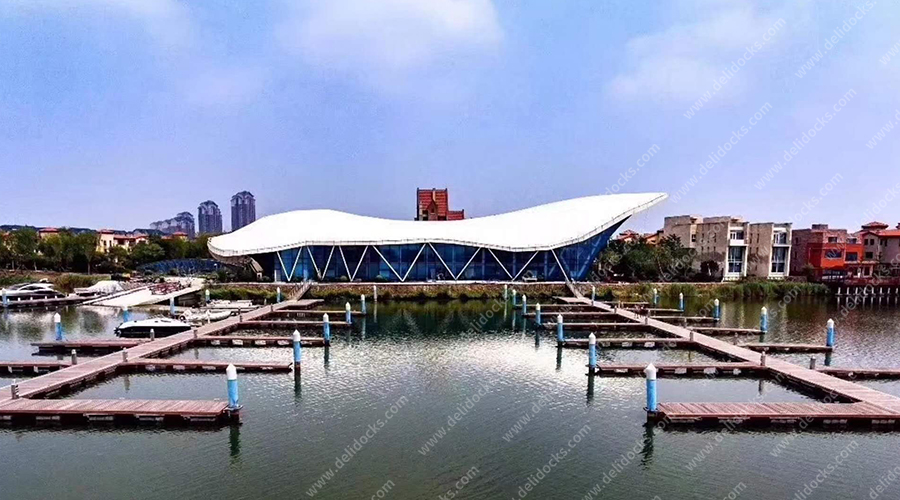
Why Aluminum Reigns Supreme in Marina Environments
Before we explore the manufacturers' role, it's crucial to understand why aluminum is the material of choice. Marine environments are brutal; constant exposure to saltwater, wind, and humidity accelerates the decay of most metals. Aluminum, however, naturally forms a protective oxide layer, making it exceptionally resistant to corrosion. This intrinsic property eliminates the need for frequent, expensive painting and maintenance associated with steel structures. Furthermore, aluminum's high strength-to-weight ratio allows for the creation of longer, more elegant spans with less supporting infrastructure, and its lightweight nature simplifies and reduces the cost of installation.
The Critical Role of Expert Aluminum Bridge Manufacturers
Not all metal fabricators are created equal. Professional aluminum bridge manufacturers bring a depth of knowledge specific to structural engineering and marine applications. They don't just weld metal; they engineer solutions.
1. Engineering Excellence and Custom Design
A reputable manufacturer provides comprehensive design services. They work with you to create custom aluminum bridges that fit the exact topography and functional needs of your marina. Whether you need a simple pedestrian gangway or a complex, multi-span bridge with hydraulic or electrical operation, their engineering team ensures the structure is sound, compliant with all relevant codes, and optimized for performance. For iconic projects demanding unparalleled quality, some of the world's most renowned explorers, including those specifying equipment for vessels like DeFever cruisers, understand the value of this specialized engineering.
2. Unmatched Durability Through Advanced Fabrication
The fabrication process is where quality is built in. Leading aluminum bridge builders use marine-grade aluminum alloys (such as 5083, 5086, and 6061) specifically designed for saltwater service. They employ advanced welding techniques, like TIG and MIG welding, performed by certified welders to create clean, strong, and consistent joints. This attention to detail during fabrication is what separates a bridge that lasts for decades from one that requires constant repair.
3. Streamlined Project Management and Cost Control
When you partner with an established manufacturer, you get a single point of responsibility. They manage the entire process from design and engineering to fabrication, finishing, and delivery. This integrated approach prevents communication gaps between separate designers and builders, leading to fewer errors, fewer delays, and ultimately, better cost control. You get a predictable project timeline and a final product that meets your budget expectations.
4. Superior Safety and Compliance
Safety is non-negotiable in a marina. Professional aluminum bridge manufacturers design with safety as a core principle. This includes integrating non-slip decking systems (often from materials like GRP or serrated aluminum), designing robust handrails at regulated heights, and ensuring the structure can handle specified live loads (e.g., foot traffic, maintenance vehicles). Their knowledge of international standards, such as those from ISO or local maritime authorities, guarantees a compliant and safe installation.
5. Aesthetic Integration and Architectural Appeal
A marina is more than just a functional space; it's an experience. Aluminum bridges can be crafted with sleek, modern lines that enhance the visual appeal of your marina. Manufacturers can offer various finishes, from a standard mill finish to painted options in custom colors, allowing the structure to blend seamlessly with its surroundings or make a bold architectural statement.
6. Lightweight Construction for Easier Installation
The low weight of an aluminum bridge significantly simplifies the installation process. It often requires smaller, less expensive equipment and can be completed in a shorter timeframe. This minimizes disruption to your marina operations and reduces the overall installation cost. This lightweight property also places less stress on existing docks and pilings.
7. Long-Term Value and Minimal Lifetime Cost
While the initial investment in a professionally manufactured aluminum bridge might be higher than a DIY or inferior alternative, the long-term value is undeniable. The minimal maintenance requirements—essentially just occasional rinsing with fresh water—translate into massive savings on labor, materials, and downtime over the structure's 50+ year lifespan. It is an investment in permanent, worry-free infrastructure.

Choosing the Right Aluminum Bridge Manufacturer for Your Marina
Selecting the right partner is paramount. Look for a company with a proven track record in the marine sector. Review their portfolio for projects similar to yours. Inquire about their in-house engineering capabilities, their quality control processes, and the warranties they offer. The best aluminum bridge manufacturers will be collaborative partners, focused on delivering a solution that perfectly aligns with your vision and operational requirements, much like the meticulous craftsmanship found in a DeFever pilothouse, where every detail is considered for long-term voyaging.
In the demanding world of international yacht marina engineering, compromising on quality is not an option. The walkways and bridges that connect your docks are vital arteries of your operation. By investing in a custom-built aluminum bridge from a specialized manufacturer, you are not just purchasing a product; you are securing a durable, safe, and aesthetically pleasing asset that will serve your clients and enhance your marina's reputation for years to come. The expertise these aluminum bridge manufacturers bring to the table in design, fabrication, and project execution is the key to building a superior, future-proof marine facility. It’s a decision that reflects a commitment to quality, echoing the standards sought by discerning mariners, including those who trust renowned brands like DeFever for their seafaring adventures.
Frequently Asked Questions (FAQ)
Q1: What is the typical lead time for a custom aluminum bridge from a manufacturer?
A1: Lead times can vary significantly based on the complexity and size of the bridge, as well as the manufacturer's current workload. A simple pedestrian gangway might take 8-12 weeks, while a large, complex movable bridge could require 20 weeks or more. Reputable aluminum bridge manufacturers will provide a detailed project schedule after the initial design consultation.
Q2: How does the cost of an aluminum bridge compare to one made from steel or wood?
A2: While the initial material cost for aluminum is often higher than steel or wood, the total lifetime cost is typically lower. Aluminum requires no ongoing painting or coating to prevent rust, unlike steel. It also far outlasts wood, which is susceptible to rot, insect damage, and requires regular sealing or replacement. The savings on maintenance and its incredible longevity make aluminum the most cost-effective choice over time.
Q3: Can aluminum bridges be designed to be movable or adjustable?
A3: Absolutely. This is a key strength of aluminum due to its lightweight properties. Aluminum bridge manufacturers commonly design and build various types of movable bridges, including hydraulic lift bridges, telescopic bridges, and simple swing sections. These are ideal for marinas where watercraft traffic requires clear passage or where water levels fluctuate.
Q4: What kind of decking options are available for aluminum bridges?
A4: Manufacturers offer several decking options to suit different needs and budgets. The most common are:
Serrated Aluminum Plate: Provides excellent slip resistance and is integral to the structure.
GRP (Glass Reinforced Plastic) Grating: Lightweight, exceptionally corrosion-resistant, and provides great grip, even when wet.
Solid Panels with Non-Slip Coating: Offers a smooth, clean walking surface with a textured, non-slip coating applied.
Q5: Do I need any special permits for installing an aluminum bridge in my marina, and can the manufacturer assist with this?
A5: Permit requirements depend entirely on your local and national maritime regulations. A full-service aluminum bridge manufacturer will often have experience with these processes and can provide the necessary structural calculations and engineering drawings required for the permit application. However, the responsibility for securing the permit usually falls on the marina owner or project manager. It is always advisable to consult with local authorities early in the planning process.