For waterfront homeowners, a floating dock is more than just a place to moor a boat—it is an extension of the living space, a platform for recreation, and a critical piece of infrastructure that must adapt to changing water levels. The expertise of professional residential floating dock contractors determines whether that investment delivers decades of reliable service or becomes a source of constant repairs. Unlike fixed piers, floating docks require precise engineering of flotation, anchoring, and connections to withstand wind, waves, ice, and seasonal fluctuations while remaining stable and safe for daily use.
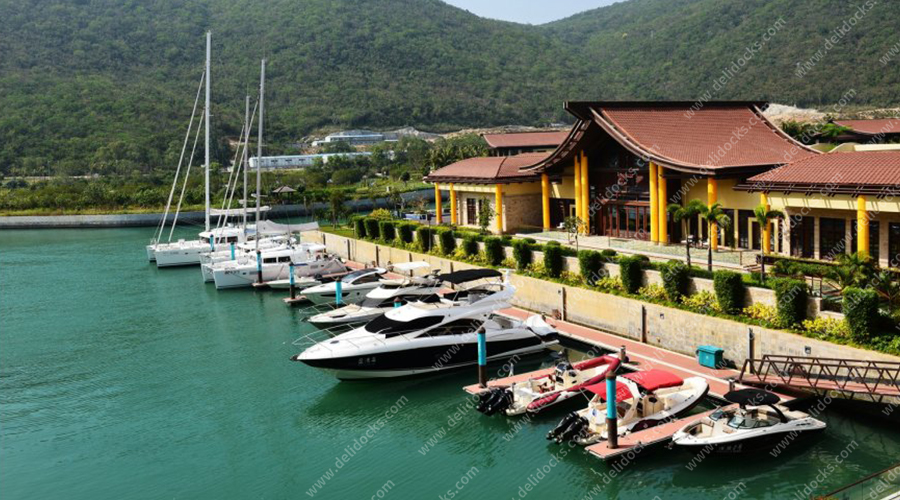
The Anatomy of a Residential Floating Dock System
A well‑engineered floating dock comprises several interdependent subsystems. Experienced residential floating dock contractors evaluate each component in the context of the specific site conditions—water depth, bottom composition, fetch, and regulatory constraints.
Flotation Units: The Foundation of Buoyancy
Encapsulated Polystyrene Foam: Most common for residential use. Blocks are encased in rotationally molded polyethylene shells, providing impact resistance and zero water absorption. Typical buoyancy: 60 lb per cubic foot.
Concrete Float Pods: Reinforced concrete shells filled with foam. Extremely durable, fire‑resistant, and resistant to UV degradation. Used in high‑exposure areas or where debris impact is likely.
Modular Polyethylene Floats: Hollow, rotationally molded units that can be filled with foam onsite. Lightweight and easy to reconfigure.
Decking and Structural Framing
Composite Decking: Wood‑plastic composites (WPC) or capped composites resist rot, splintering, and fading. Ideal for low‑maintenance residential docks.
Ipe or Cumaru Hardwood: Premium natural woods with high density and natural oils, offering 25+ year lifespan when properly maintained.
Aluminum Framing: Welded 6061‑T6 aluminum structures eliminate rot and reduce weight. Often combined with composite decking for a fully corrosion‑resistant system.
Galvanized Steel: Economical but requires careful coating maintenance in freshwater; not recommended for saltwater.
Anchoring and Mooring Systems
Proper anchoring allows the dock to rise and fall with water levels while staying in position horizontally. Options include:
Pile‑Guided Systems: Steel or concrete piles driven into the lakebed; the dock slides on pile hoops. Best for areas with large water level fluctuations (dams, reservoirs).
Deadweight Anchors: Concrete blocks or helical anchors with chains or cables. Suitable for sheltered coves with minimal current.
Spud Poles: Vertical pipes that drop into the bottom from the dock corners; simple and effective for seasonal docks.
Why Specialized Residential Floating Dock Contractors Are Essential
Attempting to construct a floating dock without professional guidance often leads to structural failure, permitting violations, and safety hazards. Specialist residential floating dock contractors bring critical expertise to every phase.
Site‑Specific Engineering and Geotechnical Assessment
Before a single pile is driven, contractors conduct soil borings and bathymetric surveys to determine bottom hardness, sediment type, and scour potential. This data informs anchor selection and pile depth. For example, soft mud may require helical anchors with larger plates, while rock bottoms demand rock‑socketed piles or alternative anchoring methods.
Navigating Permitting and Environmental Regulations
In the United States, dock construction typically requires permits from the U.S. Army Corps of Engineers, state environmental agencies, and local zoning boards. Wetlands protection, navigation easements, and shoreline stabilization rules vary widely. Professional contractors prepare and submit all documentation, conduct biological assessments (e.g., for submerged aquatic vegetation), and design mitigation measures such as turbidity curtains during installation. This reduces approval time from months to weeks.
Structural Design for Loads and Longevity
Floating docks must be engineered for live loads (people, furniture, boats) and environmental loads (wind, waves, current, ice). Design calculations follow ASCE 7 and local building codes. For example, in regions with ice, the dock may need to be removed or designed with ice‑resistant edges and anchoring that allows vertical movement without damage.
Material Selection: Balancing Cost, Maintenance, and Durability
The choice of materials directly impacts the total cost of ownership. DeFever recommends the following based on project budget and exposure:
Freshwater, low‑wave environments: Galvanized steel frame + composite decking + EPS foam floats (20‑year design life).
Saltwater or high‑wave: Aluminum frame + HDPE decking + concrete floats (30+ years, minimal maintenance).
Premium residential estates: Ipe decking on aluminum frame with integrated LED lighting and stainless steel hardware.
Customization and Lifestyle Integration
Modern residential floating docks often include features that enhance usability and property value:
Boat and PWC Lifts: Cantilever or vertical lifts keep watercraft out of the water when not in use, reducing hull maintenance and preventing theft.
Utilities: Pre‑installed conduits for electricity (shore power, lighting), freshwater, and data cables for Wi‑Fi extenders or security cameras.
Furniture and Shade Structures: Built‑in benches, sun decks, and removable canvas shades create an outdoor living area on the water.
Fish Cleaning Stations and Storage Lockers: Convenient additions for avid anglers.
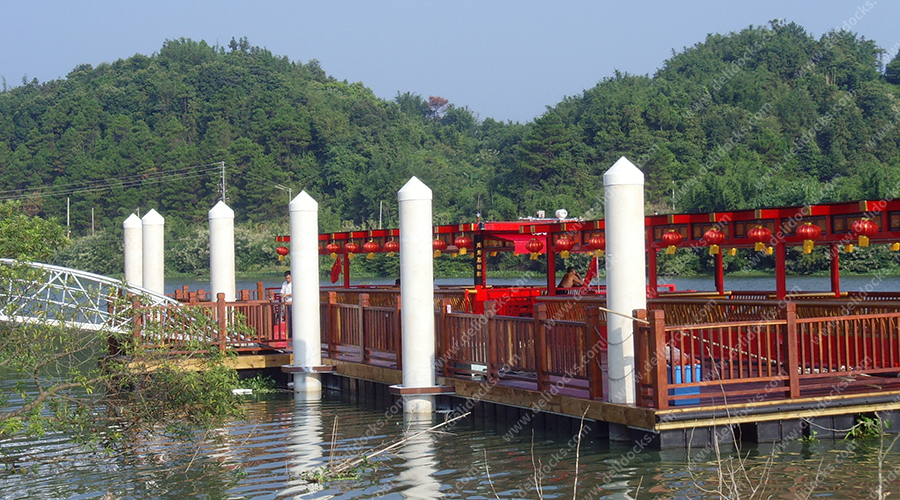
Case Study: A Comprehensive Residential Floating Dock Project by DeFever
A lakefront homeowner in the Pacific Northwest required a dock that could accommodate a 28‑foot cruiser, two jet skis, and provide a 400‑square‑foot entertainment deck—all while withstanding 4‑foot wind waves and a seasonal water fluctuation of 12 feet. DeFever engineered a pile‑guided floating dock system:
Four 12‑inch steel pipe piles driven 25 feet into the lakebed, coated with epoxy for corrosion resistance.
Aluminum frame with concrete float pods for stability and fire resistance.
Capped composite decking with non‑skid surface.
Integrated 10,000‑lb boat lift and two PWC lifts, all with remote controls.
Electrical service with GFCI outlets and LED dock lights.
The project was completed in 10 weeks, including permitting. Ten years later, the dock remains in excellent condition with only routine cleaning and hardware checks.
How to Evaluate Residential Floating Dock Contractors
When selecting a contractor, request documentation and references for:
Licensed marine construction experience (minimum 10 years).
Engineer‑stamped structural drawings and load calculations.
Portfolio of projects in similar water bodies and conditions.
Warranty terms (typically 5–10 years on structure, longer on floats).
Proof of insurance (general liability, pollution, worker’s comp).
Permitting track record with local and federal agencies.
Frequently Asked Questions (FAQ)
Q1: What is the typical lifespan of a residential floating dock?
A1: With proper materials and professional installation, a floating dock can last 25–50 years. Concrete floats and aluminum frames often exceed 40 years, while EPS foam floats may need replacement after 20–30 years depending on UV exposure and animal damage. Regular inspections and minor maintenance extend life significantly.
Q2: How do contractors handle fluctuating water levels?
A2: Two main methods: pile‑guided systems (the dock slides on piles) or slack‑moored systems with chains/ cables that allow vertical movement. The choice depends on water level range, boat traffic, and bottom conditions. Professional residential floating dock contractors model the full range of water levels to ensure the dock never grounds or submerges.
Q3: Can I install a floating dock myself to save money?
A3: DIY installation is possible for very small, simple docks in protected waters, but it carries significant risks: improper anchoring can lead to drift and damage, inadequate flotation can cause sinking, and unpermitted construction may result in fines and removal orders. For most residential applications, professional design and installation are cost‑effective when considering long‑term safety and compliance.
Q4: What maintenance does a floating dock require?
A4: Annual inspections should check for loose fasteners, worn hardware, corrosion, and damage to floats. Composite and aluminum decks need occasional washing; wood decks require sealing every 2–3 years. In northern climates, docks may be removed or winterized to prevent ice damage. Contractors often offer maintenance packages.
Q5: How long does it take to build a residential floating dock?
A5: From initial consultation to completion, typical projects take 8–16 weeks. Permitting accounts for 4–8 weeks of that timeline. Construction itself, for a standard 500‑square‑foot dock, takes 2–4 weeks depending on site access and weather.
Q6: Do you offer warranties on your dock systems?
A6: Yes. DeFever provides a 10‑year structural warranty on all dock components, covering defects in materials and workmanship. Float manufacturers offer separate warranties (5–20 years). We also provide a detailed maintenance guide to help homeowners protect their investment.
Choosing the right partner for your waterfront project ensures safety, durability, and seamless integration with your property. Contact DeFever to discuss how our team of expert residential floating dock contractors can bring your vision to life—with engineering excellence and decades of marine construction experience.