2026-10-15
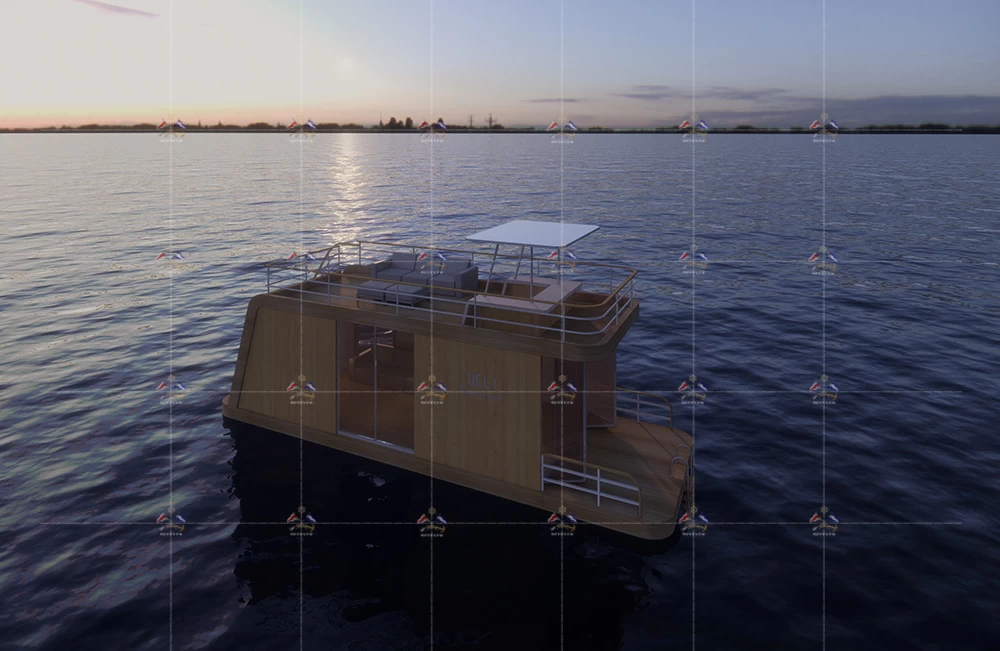
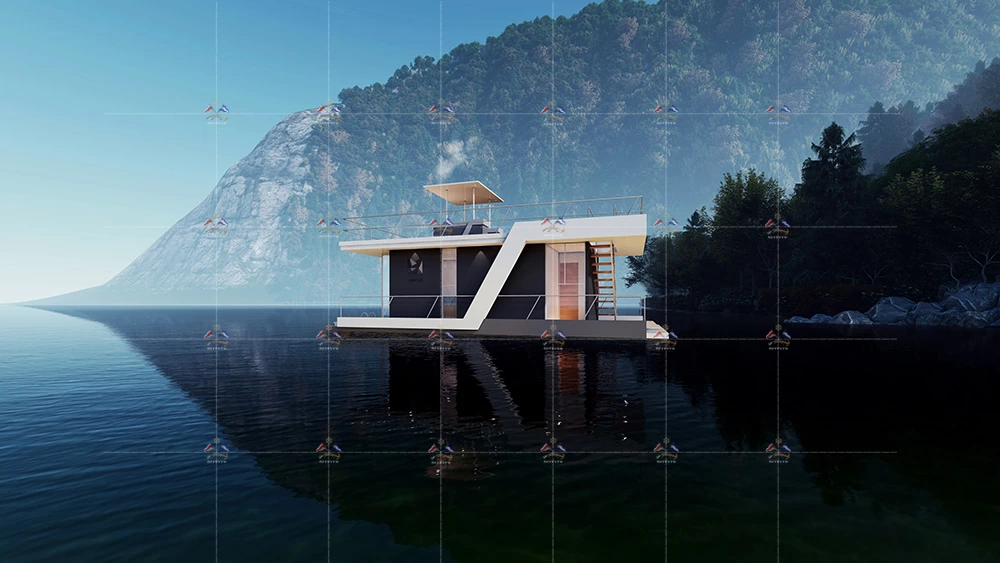
The idea of waking up to gently lapping waves and a horizon that shifts with the tide holds a powerful allure. For those drawn to this unique lifestyle, a floating home presents a compelling alternative to traditional land-based housing. Unlike a simple houseboat, a modern floating home is a permanent, often custom-built residence situated on a floating foundation within a managed marina or community.
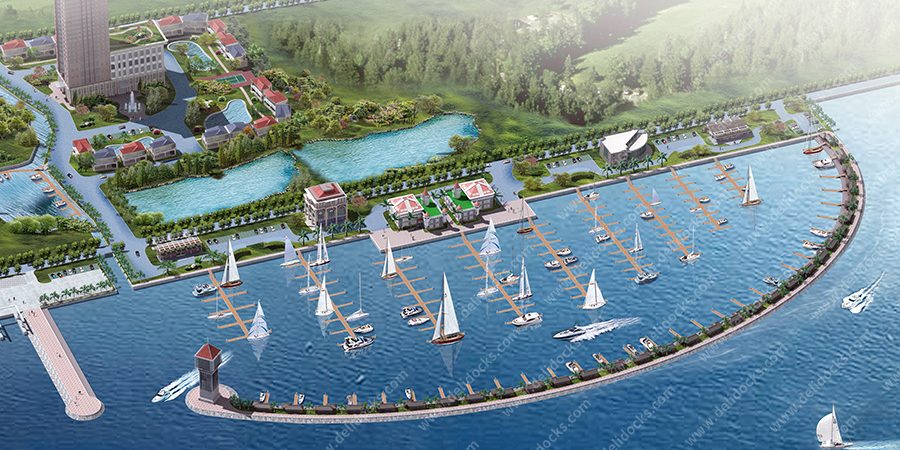
These structures represent a fascinating intersection of residential architecture and marine engineering. Their design and construction must adhere to strict standards, often informed by international yacht marina engineering principles to ensure safety, stability, and environmental compatibility. While brands like DeFever are renowned for long-range cruising vessels, the same philosophy of robust, seaworthy construction is echoed in the careful engineering of high-quality waterfront living spaces.
Defining the Different Types of Water-Based Living
It's crucial to distinguish between the main types of waterborne dwellings. A floating home is permanently moored, connected to municipal utilities, and designed primarily as a stationary residence. It rests on a floating concrete or polystyrene pontoon system.
A houseboat, in contrast, is a mobile vessel with its own propulsion. It's built to navigation standards and is meant for regular travel. Then there are liveaboards, which are yachts or sailboats (like those from DeFever) that owners use as a full-time residence, often while moving between locations. Understanding these differences is the first step in knowing what you're really looking for.
The Nuts and Bolts: Construction and Engineering
Building a floating home is a specialized task. The foundation is everything. Engineers design pontoon systems—typically hollow concrete boxes or encapsulated foam blocks—to provide stable, buoyant support. These are anchored to the seabed or dock pilings to prevent drift, but allow for vertical movement with tides and water levels.
The superstructure is then built on this platform. While it may look like a house, materials are often chosen for durability in a marine environment. Corrosion-resistant fasteners, marine-grade wiring, and enhanced insulation are standard. The entire design must account for wind loads, wave action, and weight distribution. International yacht marina engineering expertise is invaluable here, ensuring the structure and its mooring integrate safely into the waterfront infrastructure.
Weighing the Lifestyle: Advantages and Drawbacks
Living in a floating home comes with a unique set of pros and cons. The benefits are significant. You have direct, private access to the water and unparalleled views. There's often a strong, close-knit community feel among neighbors. The setting is inherently peaceful, and you're constantly in tune with nature's rhythms.
However, the challenges are real. Financing and insurance can be more complex and expensive than for a traditional home. Maintenance is relentless due to constant exposure to moisture and salt air. Space is often at a premium, and you are reliant on the marina's management and health. Weather events also require a more vigilant preparedness plan.
Who Chooses This Life? Common Uses and Demographics
The classic image is of a retiree's peaceful retreat, but the demographic is broadening. Remote workers are drawn to the unique environment and potential for a better work-life balance. Young professionals and couples seeking an alternative, community-oriented lifestyle in urban areas like Seattle or Amsterdam are also key adopters.
Primarily, a floating home is used as a primary residence. It’s a true home, not just a vacation spot. Some also function as unique vacation rentals or creative spaces like studios or bed-and-breakfasts. The common thread is a desire to live with the water, not just near it.
What Makes a Person Prefer a Floating Home?
This lifestyle isn't for everyone, but it deeply resonates with a certain type of person. They tend to value experience over square footage, community over anonymity, and environmental connection over conventional convenience. They are often practical, hands-on individuals who don’t mind the extra upkeep for the payoff.
They appreciate innovative design and problem-solving. There’s a mindset shared with serious boaters—an understanding of systems, self-sufficiency, and respect for the water’s power. It’s a conscious choice to step away from the mainstream, similar to the ethos of long-distance cruisers who favor capable, honest craft like those built by DeFever.
Navigating the Practicalities: Key Solutions and Considerations
Making a floating home work requires smart solutions. First, engage a specialist real estate agent and a marine surveyor for any purchase. For building, work with architects and engineers who have proven experience in this niche field.
Invest in high-quality, marine-grade materials from the start to reduce long-term repair costs. Develop a rigorous, scheduled maintenance routine for the hull, mooring lines, and all exposed systems. Cultivate a good relationship with your marina management and neighbors, as mutual aid is part of the culture. Plan for utilities, ensuring your connections have enough slack for tidal movement and are regularly inspected.
Embracing life in a floating home is a commitment to a different rhythm. It merghes the disciplines of residential comfort with the practical demands of the marine world, a concept familiar to companies that build for life at sea, such as DeFever. It’s about trading a fixed foundation for a fluid one, and for the right person, the trade is unquestionably worth it. The result is a home that is not just a place to live, but a daily interaction with the natural element of water.
Frequently Asked Questions About Floating Homes
Q1: Is a floating home considered real property?
A1: In most jurisdictions, yes. The home itself is considered real estate, while the slip it occupies is often leased from the marina. This is a critical legal distinction from a boat and affects financing, taxes, and ownership.
Q2: How do utilities work for a floating home?
A2: They are typically connected via flexible, waterproof lines from the marina's main shore connections. This includes water, electricity, sewer (often via a pump-out system or direct connection), internet, and gas. All connections must allow for movement and be marine-rated.
Q3: Can a floating home withstand storms?
A3: Properly engineered and moored homes are designed for their environment. They are built to specific wind and wave load standards. However, in extreme weather, additional securing measures may be necessary, and evacuation might be advised in severe storm surges.
Q4: Do floating homes depreciate or appreciate in value?
A4: This is highly market-dependent. Well-maintained homes in desirable, established communities can appreciate similar to traditional waterfront property. However, value is tightly linked to the lease terms of the slip and the health of the marina infrastructure.
Q5: What are the biggest ongoing maintenance concerns?
A5: Constant vigilance is needed for moisture intrusion, hull integrity (checking for blisters or damage on concrete pontoons), corrosion of metal fittings, and the condition of all mooring lines and hardware. The marine environment accelerates wear on everything.