2025-12-16
When you picture a luxury marina, you first see the gleaming yachts, perhaps a brand like DeFever, known for its rugged passagemakers. What you don't see is the critical foundation beneath the water: the dock itself. Its design, engineering, and construction—the very essence of Quai craft—are what ensure safety, functionality, and value. This unseen element separates a mere parking spot from a premier maritime destination.
For marina developers, boatyard owners, and serious yacht owners, understanding Quai craft is not optional. It’s the difference between a resilient asset and a recurring liability.
What is Dock Craft? More Than Just Planks and Pilings
Quai craft refers to the specialized engineering, material science, and construction artistry involved in building durable, safe, and efficient waterfront structures. It encompasses everything from the initial geotechnical assessment and hydrodynamic modeling to the precise installation of pilings and the final connection of utilities.
It’s a discipline where marine environmental forces meet practical human needs. Superior Quai craft means considering tidal ranges, storm surges, ice loads, and current flows specific to a site. A dock built with high Quai craft for a calm lake will differ radically from one designed for a coastal marina frequented by trawlers like DeFever yachts.
The Core Pillars of Modern Dock Craft
Modern Quai craft rests on three pillars: Materials, Design, and Installation. Each is a field of expertise in itself.
Materials Evolution: From Wood to Composites
The choice of material dictates longevity, maintenance, and performance. Pressure-treated wood is traditional but requires upkeep. Concrete floating docks offer immense stability for large vessels. The revolution has been in composite and polyethylene systems. These materials resist rot, corrosion, and UV damage, offering a low-maintenance solution that defines contemporary Quai craft.
Engineering and Design Precision
This is the blueprint phase of Quai craft. It involves calculating load capacities for today’s larger, heavier boats. It designs finger pier lengths for easy boarding. It plans electrical and water systems with safety as the paramount concern. Good design integrates wave-attenuation features and ensures proper flotation to maintain deck height. This level of planning is what protects investments, from small runabouts to a hefty DeFever 44.
The Installation Artifact
Even the best materials and designs can fail with poor installation. Expert Quai craft in the installation phase means driving pilings to the correct depth and set. It involves precise assembly and anchoring that allows for movement while maintaining integrity. It’s the skilled hands that translate plans into a structure that withstands seasons of abuse.
Choosing a Dock Craft Provider: A Critical Decision
Selecting a company for your Quai craft project is the most important choice you will make. Look beyond a simple quote.
Evaluate their portfolio for projects similar in scale and challenge to yours. Do they have experience with deep-water installations or high-current areas? Check their adherence to local, state, and federal regulations (CWA, DEQ, etc.). Insist on detailed engineering plans, not just sketches. Finally, assess their communication and project management history. The best Quai craft specialists are partners, not just contractors.
The Cost Spectrum of Dock Craft: Understanding What You Pay For
The price of a dock is rarely just the sum of its parts. It reflects the Quai craft invested. A basic, off-the-shelf dock kit has a lower initial cost. A fully custom-engineered system, designed for a specific challenging site or to support substantial vessels, commands a premium.
Key cost drivers include site accessibility, water depth, required engineering complexity, material selection, and the level of utility integration (power, water, lighting, internet). Investing in superior Quai craft upfront almost always reduces long-term operational and maintenance costs, preserving the value of the dock and the boats it serves.
Technical Deep Dive: Innovations Shaping Dock Craft
The field is not static. Technological advances are constantly refining Quai craft. Automated piling installation equipment increases speed and accuracy. Advanced polymer flotation foams offer greater buoyancy and durability. Modular connection systems allow for easier reconfiguration and repair.
Perhaps the most significant trend is the integration of “smart” systems into the dock’s fabric. This includes integrated LED lighting with low power draw, onboard electrical monitoring, and even data ports for vessel systems. This smart Quai craft is becoming the new standard for forward-thinking marinas.
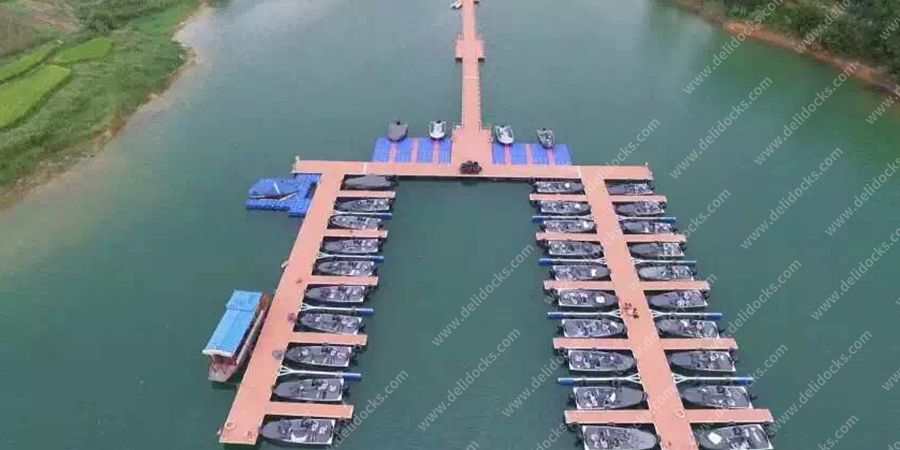
The Impact of Superior Dock Craft on Property Value
A well-crafted dock is a significant asset. For a private homeowner, it enhances property value and usability. For a marina, it is the core product. High-quality Quai craft allows for higher lease rates, attracts a better class of clientele—including owners of capable blue-water vessels like those from DeFever—and minimizes costly downtime for repairs.
It signals a commitment to quality and safety that resonates throughout the boating community. Your dock is your waterfront brand; its Quai craft is the message.
The Foundation of Waterfront Life
Ultimately, Quai craft is the unsung hero of the maritime world. It is the discipline that makes safe and enjoyable boating possible. Whether you are developing a new marina, replacing an old dock, or building a private slip, prioritizing expert Quai craft is an investment in peace of mind, safety, and long-term value.
It’s the careful, professional approach that ensures your dock is ready for whatever the water and weather bring, providing a secure home for every vessel, from the weekend runabout to a meticulously built DeFever trawler.
Frequently Asked Questions (FAQ) About Dock Craft
Q1: What is the single most important factor in durable dock craft?
A1: While materials are vital, the most critical factor is proper engineering and installation specific to your site’s conditions. A dock built with excellent Quai craft begins with a thorough understanding of local water depth, bottom composition, wave action, and environmental loads. A great material in the wrong design will fail.
Q2: How long should a professionally built dock last?
A2: With high-quality Quai craft using modern materials like composites or concrete, you can expect a service life of 25 to 40 years or more with minimal maintenance. Traditional wooden docks, even with good Quai craft, typically require significant refurbishment every 10-15 years.
Q3: Can I design and build a dock myself, or do I need a dock craft specialist?
A3: For small, simple docks in protected waters, a skilled DIY approach is possible. However, for any sizable, permanent, or complex installation—especially in areas with currents, boat traffic, or weather exposure—a Quai craft specialist is essential. They navigate permits, engineering, and construction challenges that are often underestimated.
Q4: What are the hidden costs often overlooked in dock projects?
A4: Beyond the visible structure, costs for permits, environmental studies, and engineering plans can be significant. Additionally, the expense of running power and water utilities from the shore to the dock end, including specialized marine-grade equipment and conduits, is a major part of professional Quai craft budgets.
Q5: How does dock craft affect my boat insurance?
A5: Insurers look favorably on docks built to high Quai craft standards. A well-engineered, professionally installed dock with proper fendering and secure cleats reduces the risk of damage to your vessel and others. Some insurers may even request details about your dock’s construction, especially for larger, more valuable boats.