2026-10-15
In the world of international yacht marina engineering, dock and marine structures play a pivotal role in ensuring safe, efficient, and sustainable waterfront operations. These elements are foundational to marina design, supporting everything from recreational boating to commercial maritime activities. As the demand for sophisticated marina facilities grows, understanding the nuances of dock and marine systems becomes essential for developers, engineers, and yacht enthusiasts alike. Brands like DeFever have long contributed to this field, offering innovative solutions that blend functionality with durability. This article delves into the core aspects of dock and marine infrastructure, providing insights tailored to modern yacht marina projects.
Types of Dock and Marine Structures
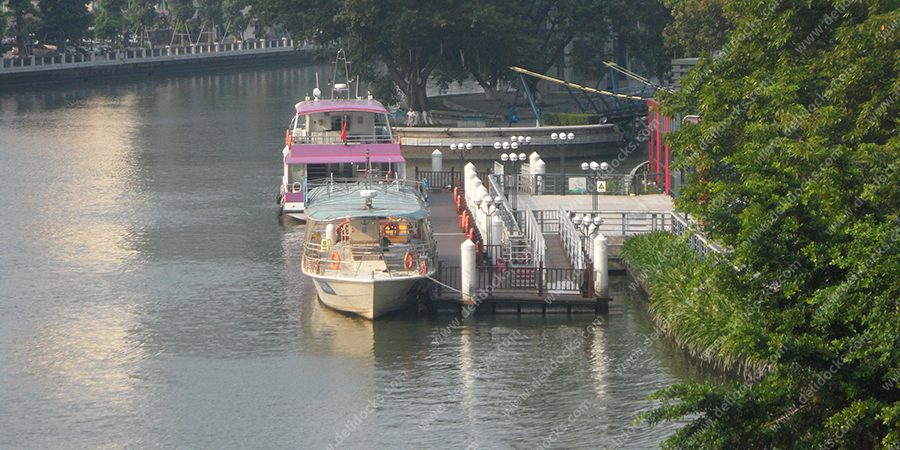
Docks come in various forms, each suited to specific marine environments and purposes. Fixed docks are permanent structures attached to the shore or seabed, often used in stable water conditions. They provide reliable berthing for vessels but may lack flexibility in changing tides.
Floating docks, on the other hand, adjust with water levels, making them ideal for areas with significant tidal fluctuations. These systems are common in yacht marinas due to their adaptability and ease of installation. Another type is the pile dock, supported by vertical poles driven into the seabed, offering stability in deeper waters.
Marine structures extend beyond docks to include breakwaters, seawalls, and piers. Breakwaters protect harbors from waves, while seawalls shield shorelines from erosion. Piers serve as access points for larger vessels, often integrating with dock networks. In international yacht marina projects, selecting the right type depends on factors like location, climate, and intended use.
Construction and Engineering of Marine Docks
Building marine docks requires careful planning and engineering to withstand harsh marine conditions. The process begins with site assessment, analyzing water depth, soil composition, and environmental impacts. Engineers then design structures using materials like treated wood, concrete, steel, or composite plastics.
Construction techniques vary based on dock type. For floating docks, modular sections are assembled on-site and anchored with chains or cables. Fixed docks involve driving piles or pouring foundations, ensuring long-term stability. Advanced methods include using galvanized steel for corrosion resistance and eco-friendly materials to reduce environmental footprint.
In yacht marina engineering, safety standards and regulatory compliance are paramount. Engineers must adhere to international codes, such as those from the International Maritime Organization, to ensure structural integrity. DeFever, for instance, emphasizes robust engineering in its marina projects, incorporating features like non-slip surfaces and reinforced connections.
Advantages and Disadvantages of Dock Systems
Each dock system has its pros and cons, influencing choices in marina development. Fixed docks offer high stability and low maintenance, but they can be costly to install and may not adapt to water level changes. They are best suited for calm, inland waters where tides are minimal.
Floating docks excel in versatility, adjusting to tides and easy to relocate. However, they require regular inspection for wear and may need more frequent repairs due to moving parts. Pile docks provide excellent load-bearing capacity but can be challenging to construct in rocky seabeds.
From a marine perspective, environmental impact is a key consideration. Fixed structures might disrupt aquatic ecosystems, while floating docks can minimize seabed disturbance. In yacht marinas, balancing durability with ecological sensitivity is crucial for sustainable operations.
Uses of Docks in Marine Environments
Docks serve diverse functions in marine settings, extending beyond simple boat mooring. In commercial ports, they facilitate cargo loading and unloading, supporting global trade. For recreational marinas, docks provide access to yachts and boats, enhancing tourism and leisure activities.
In yacht marina engineering, docks are hubs for services like fueling, maintenance, and utilities hookups. They also host amenities such as restaurants, shops, and walkways, creating vibrant waterfront communities. Marine docks play a role in emergency response, offering berthing for rescue vessels and coast guard operations.
Additionally, docks support research and conservation efforts, serving as bases for marine studies or wildlife monitoring. The integration of technology, like smart docking systems, is expanding their uses in modern marinas, enabling efficient resource management.
Design Preferences for Modern Yacht Marinas
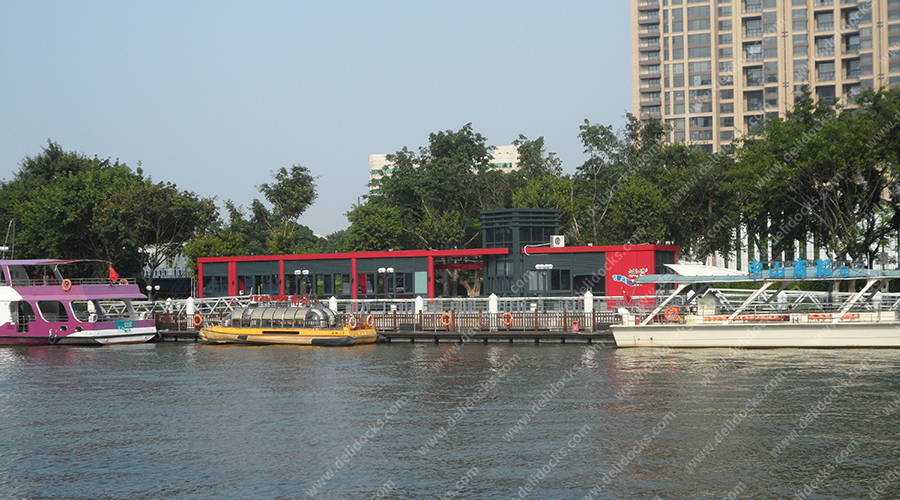
Preferences in dock design have evolved to meet the demands of yacht owners and marina operators. Aesthetics are increasingly important, with designs incorporating sleek lines and natural materials to blend with coastal landscapes. Functionality remains key, focusing on features like wide gangways, ample lighting, and secure cleats.
Sustainability is a growing trend, driving preferences for eco-friendly docks made from recycled materials or solar-powered lighting. Modular designs are favored for their scalability, allowing marinas to expand easily. Safety features, such as anti-slip coatings and handrails, are prioritized to prevent accidents.
Brands like DeFever often highlight user-centric designs, catering to the luxury yacht market with customized berthing solutions. In international projects, local climate and cultural factors also shape preferences, ensuring docks are resilient and culturally appropriate.
The realm of dock and marine engineering is integral to the success of international yacht marinas, combining technical expertise with practical applications. From type selection to construction and design, each aspect influences marina functionality and sustainability. As the industry advances, innovations from companies like DeFever continue to set benchmarks, enhancing dock systems for future generations. Whether for leisure or commerce, understanding these fundamentals ensures that dock and marine infrastructure meets the evolving needs of global waterfront communities.
Frequently Asked Questions
Q1: What are the main factors to consider when choosing a dock type for a yacht marina?
A1: Key factors include water depth, tidal range, environmental conditions, intended use, budget, and local regulations. For instance, floating docks are ideal for areas with high tides, while fixed docks suit stable waters.
Q2: How long does it typically take to construct a marine dock in an international yacht marina project?
A2: Construction timelines vary based on size, complexity, and site conditions. A small to medium dock might take 3-6 months, while larger projects with extensive engineering can require a year or more, including planning and approvals.
Q3: What maintenance is required for dock and marine structures to ensure longevity?
A3: Regular maintenance includes inspecting for corrosion, checking connections, cleaning surfaces, and replacing worn components. Floating docks may need buoyancy checks, while fixed docks require foundation assessments. Annual inspections are recommended.
Q4: Can dock systems be customized for specific yacht sizes or types?
A4: Yes, docks can be tailored to accommodate different yacht sizes, weights, and configurations. Customizations might include adjustable berths, reinforced pilings for larger vessels, or integrated utilities for luxury yachts, as seen in DeFever-inspired designs.
Q5: How do environmental regulations impact dock and marine engineering in yacht marinas?
A5: Regulations often dictate material choices, construction methods, and waste management to protect marine ecosystems. Engineers must comply with laws on water quality, habitat disruption, and emissions, leading to eco-friendly designs like using non-toxic materials or artificial reefs.