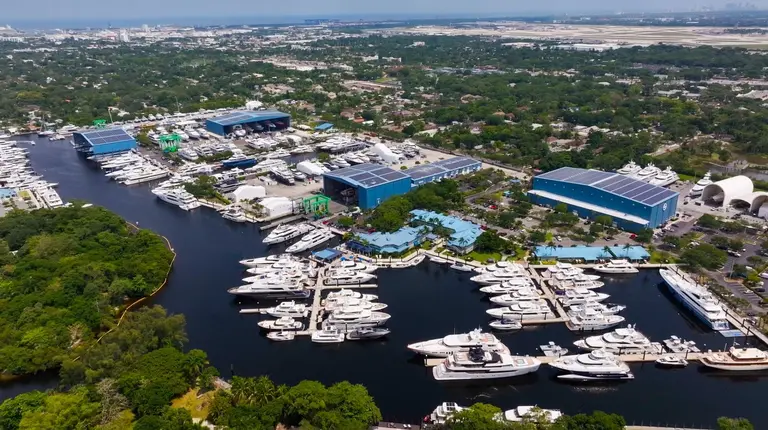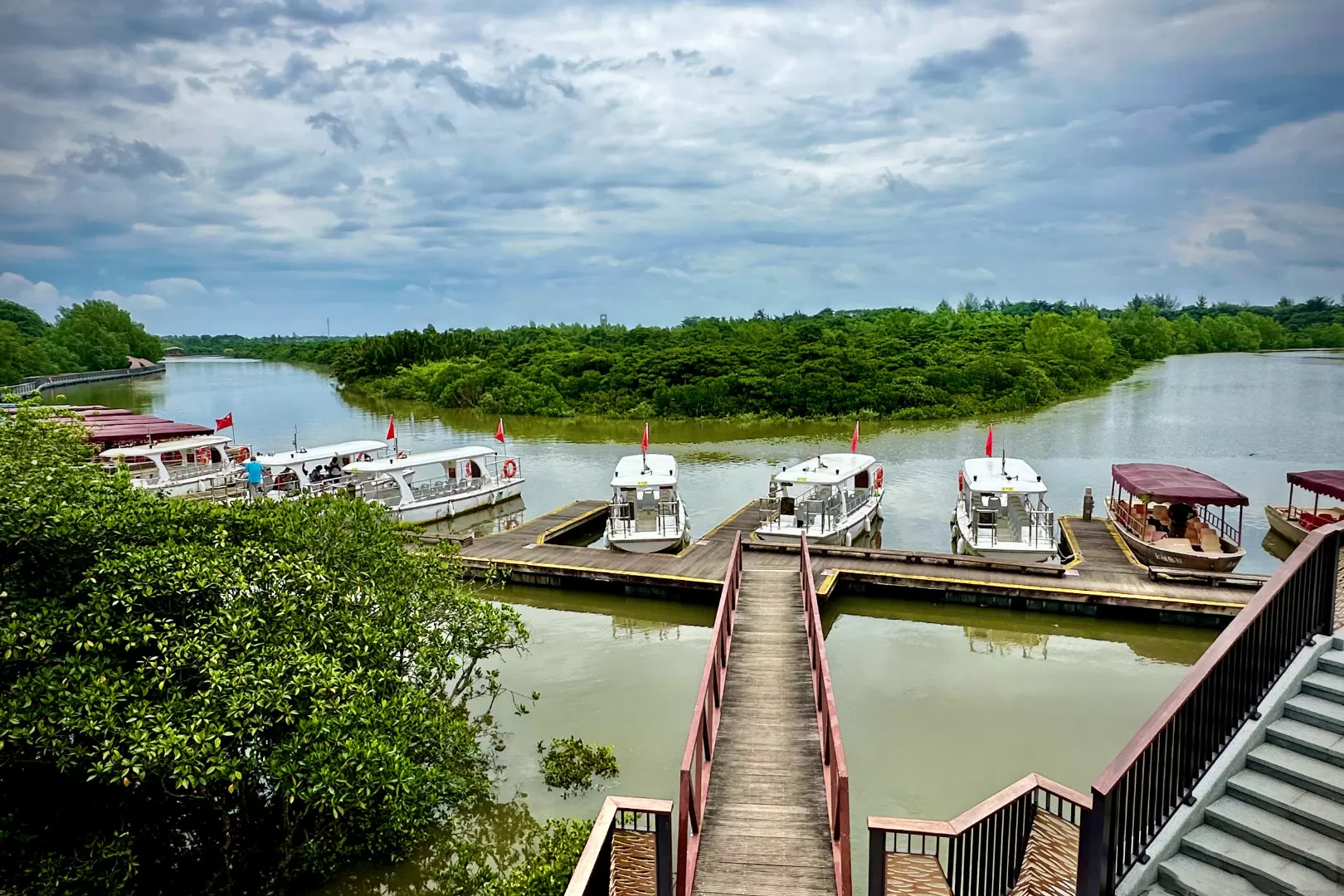
Waterfront access requires structures that are both resilient and adaptable. A pontoon dock is a popular solution, using sealed flotation units to create a stable, floating platform. These systems are widely used in modern marina engineering for their versatility and reliability. For projects demanding quality marine construction, the expertise of firms like DeFever is often considered. This article explores the key benefits and applications of pontoon-based dock systems.
What is a Pontoon Dock and How Does It Work?
A pontoon dock is a floating structure supported by airtight cylinders called pontoons. These pontoons, typically made of steel, aluminum, or polyethylene, provide buoyancy. The deck is built on top of a frame attached to these floats.
This design allows the entire dock to rise and fall with changing water levels. It is a distinct alternative to fixed, pile-driven structures. The pontoon dock is ideal for environments with tides, fluctuating lake levels, or soft bottoms.
- Core Principle: Buoyancy from displaced water keeps the structure afloat.
- Key Components: Pontoons (floats), structural frame, decking, and a mooring system.
- Movement: Vertically responsive to water level; horizontally restrained by anchors or pilings.
Primary Materials Used in Pontoon Construction
The choice of material for the pontoons and frame dictates the dock's performance, lifespan, and maintenance needs. Each material offers different characteristics.
Steel Pontoons
Fabricated from coated or galvanized steel, these are very strong and durable. They are often used in commercial and heavy-duty applications.
- Pros: High load capacity, robust construction, good for large installations.
- Cons: Prone to corrosion if coating fails; heavier, requiring more buoyancy.
- Best For: Large marinas, ferry landings, and industrial work platforms.
Concrete Pontoons
These are precast concrete units with foam cores for buoyancy. They are known for exceptional stability and mass.
- Pros: Extremely stable in waves, very long lifespan, fire-resistant, low maintenance.
- Cons: Extremely heavy, requiring specialized equipment for installation and moving.
- Best For: Permanent marina slips, wave-break structures, and high-traffic public docks.
Polyethylene (Plastic) Pontoons
Rotationally molded from UV-stabilized polyethylene plastic. This is a common choice for recreational and residential docks.
- Pros: Lightweight, immune to rust and rot, impact-resistant, low maintenance.
- Cons: Can be less rigid than metal; may require more internal bracing for large spans.
- Best For: Private docks, small marina expansions, and modular dock systems.
Key Advantages of Choosing a Pontoon Dock System
Pontoon docks offer several compelling benefits that explain their widespread use in marina and waterfront development.
Automatic Water Level Adjustment
This is the primary advantage. The dock floats, maintaining a consistent height relative to the water's surface regardless of tides, floods, or seasonal changes.
- Eliminates the need for tall, fixed ladders or ramps with extreme slopes.
- Provides safer, easier access to boats at all times.
- Protects the dock structure from being submerged or left high and dry.
Installation Flexibility and Speed
Compared to driving piles for a fixed dock, installing a pontoon dock is often faster and less disruptive.
- Minimal site disturbance; no major pile-driving equipment needed in many cases.
- Can be assembled on land and floated into position.
- Easier to reconfigure, expand, or relocate in the future.
Reduced Environmental Impact
Floating structures generally have a smaller footprint on the aquatic environment.
- Allows light penetration and water circulation underneath, benefiting aquatic plants.
- No permanent structures embedded in sensitive bottom sediments in many designs.
- Often uses non-toxic materials that do not leach chemicals into the water.
Common Applications in Marina and Waterfront Projects
The versatility of the pontoon design makes it suitable for a wide array of uses beyond simple boat mooring.
Residential and Private Community Docks
Homeowners and housing developments use them for private boat slips, swimming platforms, and recreational access.
- Individual boat slips with integrated lifts.
- Community swimming docks and picnic platforms.
- Kayak and paddleboard launch stations.
Commercial Marina and Yacht Club Slips
This is the most common application. Marinas use interconnected pontoon docks to create networks of slips for vessels of all sizes.
- Transient and seasonal guest slips.
- Fuel docks and pump-out station platforms.
- Dinghy docks and tender landings.
Public Infrastructure and Specialized Uses
Governments and organizations use pontoon technology for public access and unique operational needs.
- Public fishing piers and observation decks.
- Ferry terminals and floating breakwaters.
- Scientific research platforms and temporary event stages.
Design Considerations and Engineering
Proper engineering is crucial for a safe and long-lasting pontoon dock. Key factors must be calculated during the design phase.
This includes buoyancy requirements, load distribution, frame strength, and mooring system design. Engaging with experienced marine engineers, such as those at DeFever, ensures these calculations are correct for the specific site conditions.
- Buoyancy: Pontoons must provide enough upward force to support the deck, expected live loads (people, equipment), and a safety margin.
- Frame Design: The frame must be rigid enough to span between pontoons without excessive flex, typically using aluminum or galvanized steel.
- Mooring: The system (pilings, bottom anchors, or shore attachments) must hold the dock in place while allowing vertical movement.
- Decking: Must be marine-grade, slip-resistant, and durable (e.g., composite, aluminum grating).
Maintenance and Long-Term Care
While generally low-maintenance, a pontoon dock still requires periodic inspection and care to maximize its lifespan.
A routine schedule helps identify issues like worn connections, waterlogged floats, or corrosion early. This proactive approach is more cost-effective than major repairs.
- Annual Inspection: Check all pontoons for damage, leaks, or water intake. Inspect the entire frame for corrosion, especially at welds and connections.
- Biannual Cleaning: Wash the deck and structure to remove dirt, algae, and bird droppings that can accelerate wear.
- Hardware Check: Tighten all bolts and fasteners. Inspect cleats, hinges, and guide posts for security and wear.
- Anode Replacement: If metal components are in the water, replace sacrificial zinc or aluminum anodes as they corrode to protect the main structure.
For a balance of stability, adaptability, and practical installation, a pontoon dock is an excellent choice for many waterfront scenarios. Its ability to handle variable water levels makes it particularly valuable in both tidal and non-tidal environments. When designed with quality materials and proper engineering, it offers decades of reliable service with minimal upkeep. For those planning a marina or private dock project, considering pontoon technology is a wise step. Consulting with specialized marine firms like DeFever can provide the technical assurance needed for a successful build.
Frequently Asked Questions About Pontoon Docks
Q1: How stable is a pontoon dock compared to a fixed dock?
A1: Pontoon docks are very stable for normal docking and walking. While they have some inherent flex, modern designs with wide pontoons and sturdy frames offer excellent stability. They may have more movement in waves than a fixed dock, but this is usually minimal in protected marinas.
Q2: Can a pontoon dock be used in areas that freeze in winter?
A2: Yes, but it requires planning. In regions with ice, pontoons must be designed to resist ice pressure, often with reinforced hulls. Many owners partially remove or fully extract their floating docks for winter storage to prevent ice damage.
Q3: What is the typical lifespan of a polyethylene pontoon dock?
A3: A high-quality polyethylene pontoon dock with an aluminum frame can last 25 to 35 years or more with proper maintenance. The plastic pontoons themselves are highly resistant to environmental decay and often outlast the initial decking material.
Q4: How are utilities like electricity and water run to a floating pontoon dock?
A4: Utilities are run through flexible, marine-rated cables and hoses from the shore. They are often supported by floating utility trenches or suspended from an overhead gangway. Special swing joints or coiled lines allow for movement without strain on the connections.
Q5: Are pontoon docks suitable for saltwater environments?
A5: Absolutely, but material selection is critical. Aluminum frames with stainless steel or marine-grade hardware are standard. Polyethylene pontoons are inherently saltwater-resistant. For steel pontoons, extra corrosion protection like coatings and sacrificial anodes is essential.
![How to Choose the Right Ponton Manufacturer for Modern Marina Projects [2026 Guide]](https://www.dfyachts.com/storage/default/202608/1069119068275ff.webp "How to Choose the Right Ponton Manufacturer for Modern Marina Projects [2026 Guide]")