
2026-10-15
In the world of international yacht marina engineering, every component must be meticulously selected to ensure durability, safety, and aesthetic appeal. Among these, aluminium alloy bridge frames stand out as a critical element, providing lightweight strength and corrosion resistance in harsh marine environments. Whether you're planning a new marina or upgrading an existing one, partnering with the right aluminium alloy bridge frame suppliers can make or break your project. In this comprehensive guide, we’ll explore key considerations for selecting suppliers, delve into technical aspects, and highlight how industry leaders like DeFever set benchmarks in quality and innovation. By the end, you’ll be equipped with actionable insights to make an informed decision.
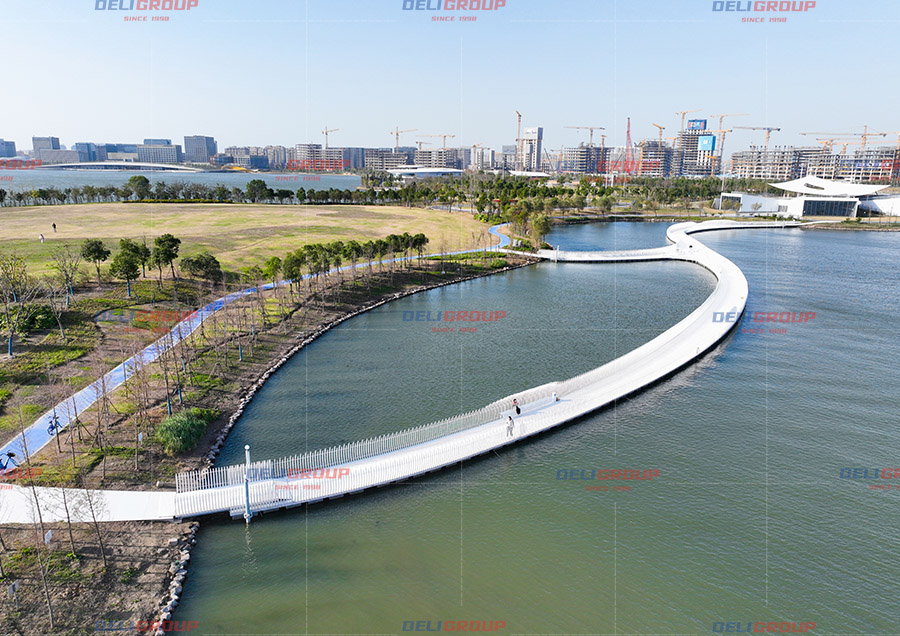
Why Aluminium Alloy Bridge Frames Are a Game-Changer in Yacht Marina Projects
Aluminium alloy has become the material of choice for bridge frames in yacht marinas due to its unique properties. Unlike steel, it doesn’t rust, and its high strength-to-weight ratio allows for easier installation and reduced structural load. For international yacht marina engineering projects, where saltwater exposure and weather extremes are common, aluminium alloy offers longevity with minimal maintenance. When evaluating aluminium alloy bridge frame suppliers, it’s essential to understand these benefits to justify your investment. For instance, DeFever integrates advanced alloys in their designs, ensuring frames withstand decades of marine use without compromising on performance.
Key Criteria for Evaluating Aluminium Alloy Bridge Frame Suppliers
Not all suppliers are created equal. Here are five factors to prioritize when selecting aluminium alloy bridge frame suppliers:
Industry Experience and Portfolio: Look for suppliers with a proven track record in marine bridge frame projects. Review case studies or past work in yacht marinas to gauge their expertise.
Certifications and Standards: Ensure they adhere to international standards like ISO 9001 or ASTM for aluminium fabrication. This guarantees quality and safety.
Customization Capabilities: Every marina has unique requirements. Top-tier suppliers, such as DeFever, offer tailored solutions for design, load capacity, and aesthetics.
Material Quality and Sourcing: Inquire about the grade of aluminium used (e.g., 5000 or 6000 series) and whether it’s sourced sustainably.
After-Sales Support: Reliable suppliers provide installation guidance, maintenance services, and warranties.
By focusing on these areas, you’ll narrow down aluminium alloy bridge frame suppliers who can deliver on promises.
Technical Deep Dive: The Manufacturing Process of Aluminium Alloy Frames
Understanding the technology behind aluminium alloy frames helps in assessing supplier credibility. The process typically involves:
Extrusion and Fabrication: High-quality aluminium billets are extruded into profiles, then cut and welded into frame structures.
Surface Treatment: Anodizing or powder coating is applied to enhance corrosion resistance and UV stability—a must for yacht marina applications.
Structural Testing: Frames undergo load testing and finite element analysis (FEA) to ensure they meet safety standards.
Reputable aluminium alloy bridge frame suppliers invest in state-of-the-art machinery and rigorous quality control. For example, DeFever employs robotic welding and automated coating systems to achieve precision and consistency.
Cost Analysis: Budgeting for Aluminium Alloy Bridge Frames
While aluminium alloy frames might have a higher upfront cost than steel, their long-term value is undeniable. Factors influencing pricing include:
Material Costs: Aluminium prices fluctuate based on global markets and alloy grades.
Design Complexity: Custom designs or intricate geometries can increase fabrication expenses.
Logistics: Shipping costs for international projects must be factored in.
When comparing aluminium alloy bridge frame suppliers, request detailed quotes that break down these elements. Remember, investing in quality—like that offered by DeFever—can reduce lifecycle costs through lower maintenance and longer service life.

Applications in International Yacht Marina Engineering
Aluminium alloy bridge frames are versatile, used in gangways, access bridges, and modular dock systems. In regions with high salinity or tidal variations, their corrosion resistance is invaluable. Case studies from marinas in the Mediterranean or Southeast Asia demonstrate how aluminium alloy bridge frame suppliers contribute to sustainable, resilient infrastructure. Brands like DeFever have been involved in high-profile projects, where their frames integrate seamlessly with floating docks and promenades.
How to Vet and Partner with the Right Suppliers
Start by shortlisting aluminium alloy bridge frame suppliers with strong references in the marine sector. Attend industry expos, request samples, and conduct site visits if possible. Communication is key—ensure they understand your project’s scope and timelines. For instance, DeFever emphasizes collaborative partnerships, providing technical support from design to deployment.
Conclusion: Making an Informed Choice for Your Marina Project
Selecting the right aluminium alloy bridge frame suppliers is a strategic decision that impacts your project’s success. By prioritizing experience, technical prowess, and reliability, you can avoid costly mistakes. As you move forward, consider pioneers like DeFever, whose commitment to innovation and quality continues to shape the future of yacht marina engineering. With the insights from this guide, you’re well-prepared to navigate the supplier landscape and achieve a marina that stands the test of time.
Frequently Asked Questions (FAQs)
Q1: What are the main advantages of aluminium alloy bridge frames over stainless steel in yacht marinas?
A1: Aluminium alloy bridge frames offer superior corrosion resistance in saltwater environments, lighter weight for easier installation, and lower long-term maintenance costs compared to stainless steel. They are also highly recyclable, aligning with sustainability goals in marine construction.
Q2: How can I verify the credibility of aluminium alloy bridge frame suppliers?
A2: Check for industry certifications (e.g., ISO, CE marking), review their project portfolio in yacht marinas, and seek client testimonials. Independent third-party audits or site visits can also provide assurance of their capabilities.
Q3: What design customizations are possible with aluminium alloy bridge frames?
A3: Reputable suppliers offer customizations in length, width, load capacity, railings, and finishes. For example, DeFever provides tailored solutions to match specific architectural themes or functional needs, such as anti-slip surfaces or integrated lighting.
Q4: Are aluminium alloy bridge frames suitable for high-traffic marinas?
A4: Yes, when designed with appropriate load ratings and durable coatings, they can handle heavy foot traffic and environmental stresses. It’s crucial to work with experienced aluminium alloy bridge frame suppliers who conduct rigorous testing for safety and durability.
Q5: How does the cost of aluminium alloy frames compare to other materials over time?
A5: While initial costs may be higher than wood or basic steel, aluminium alloy frames prove cost-effective due to their longevity, minimal upkeep, and resistance to degradation. Lifecycle cost analyses often show savings of 20-30% over 10-15 years.