2026-10-15
Imagine waking up to the gentle lapping of waves, with panoramic water views right from your bedroom. The construction of houses on water is no longer a futuristic fantasy but a growing trend in waterfront living, blending luxury, sustainability, and innovative engineering. As sea levels rise and urban spaces become congested, more people are turning to floating homes and integrated marina developments for a unique lifestyle. In this comprehensive guide, we’ll explore everything you need to know about the construction of houses on water, from cutting-edge technologies and cost considerations to its role in international yacht marina engineering. Whether you’re a prospective homeowner, a developer, or simply curious, this article will provide valuable insights. And as we dive in, we’ll occasionally highlight how industry leaders like DeFever are shaping this exciting field with their expertise in marine architecture.
What Are Houses on Water and Why Are They Gaining Popularity?
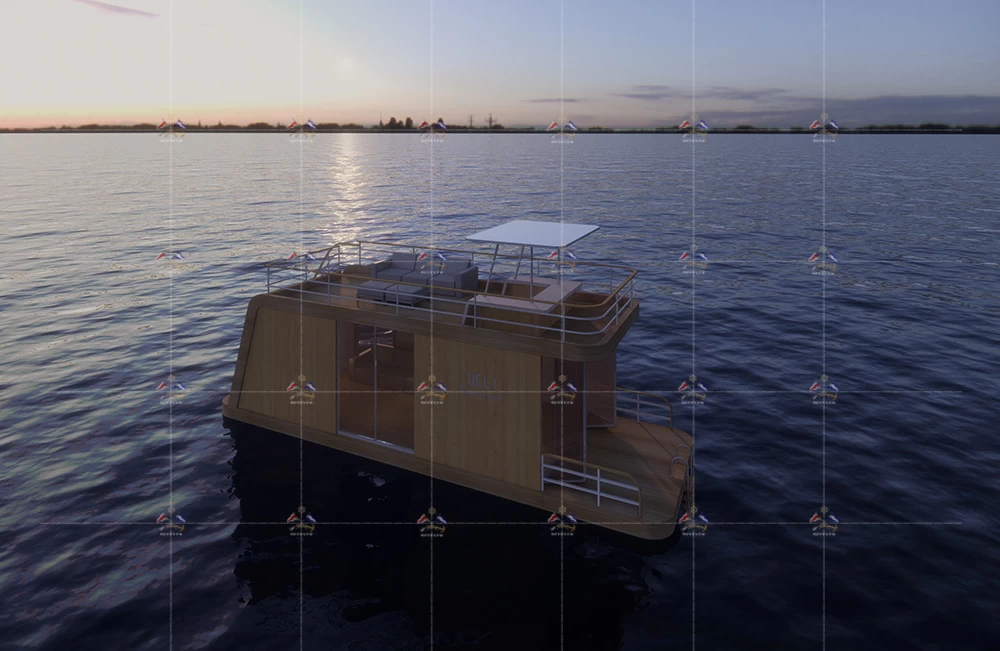
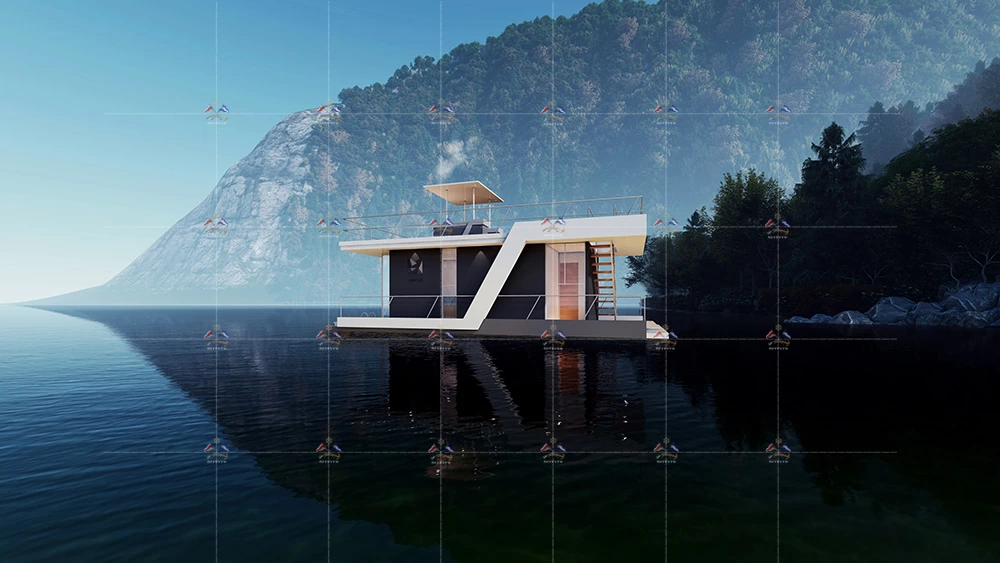
Houses on water, often referred to as floating homes or aquatic residences, are structures built on platforms that float on water bodies like lakes, rivers, or coastal areas. Unlike traditional houseboats, these are permanent or semi-permanent dwellings designed with robust foundations, similar to those used in marina infrastructures. The construction of houses on water has surged in popularity due to factors like climate resilience, space optimization, and the allure of waterfront living. For instance, in regions like the Netherlands or Southeast Asia, such constructions help combat flooding while offering eco-friendly housing solutions. Moreover, the integration with international yacht marina engineering allows these homes to double as private docks, enhancing their appeal for boating enthusiasts. This trend isn’t just about aesthetics; it’s a practical response to environmental and urban challenges, making the construction of houses on water a key topic in modern architecture.
Types of Water-Based Homes: From Floating Villas to Marina-Integrated Residences
When considering the construction of houses on water, it’s essential to understand the various types available. Each design caters to different needs and environments, often overlapping with marina developments:
Floating Homes: These are fixed structures on buoyant platforms, typically connected to utilities on land. They’re popular in calm inland waters and emphasize comfort and stability.
Houseboats: Mobile versions that can be towed or powered, blending elements of boats and homes. They’re common in recreational areas and require regular maintenance.
Piled Foundations: Homes built on stilts or piles driven into the seabed, ideal for deeper waters or tidal zones. This method is frequently used in international yacht marina engineering to ensure durability against waves and storms.
Amphibious Houses: Designed to rise with water levels during floods, these are a innovative approach in flood-prone regions, often incorporating marina-like features for boat access.
The choice depends on factors like location, budget, and intended use. For example, a floating home in a marina might include private berths, aligning with the construction of houses on water that support a yachting lifestyle. Brands like DeFever have pioneered designs that merge residential comfort with marina functionality, offering seamless transitions from living spaces to dock areas.
The Step-by-Step Process of Construction of Houses on Water
The construction of houses on water involves a meticulous process that combines marine engineering with architectural design. Here’s a breakdown of the key stages:
Site Assessment and Planning: This initial phase includes evaluating water depth, currents, and environmental regulations. Engineers collaborate with marina experts to ensure compatibility with existing infrastructure, such as yacht docks and navigation channels. For instance, in international yacht marina engineering, this step often involves hydrographic surveys to prevent disruptions.
Design and Permitting: Architects create blueprints that account for buoyancy, weight distribution, and materials like corrosion-resistant steel or eco-friendly composites. Permits are crucial, as water-based constructions must adhere to local maritime laws and sustainability standards.
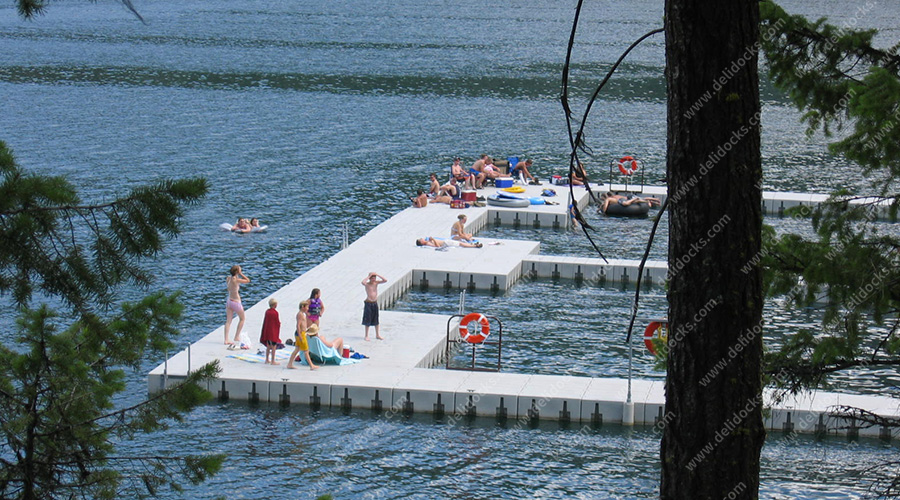
Foundation and Flotation System: The core of the construction of houses on water lies in the foundation—typically using pontoons, concrete floats, or polystyrene blocks. These are engineered to provide stability and resist hydrodynamic forces, similar to marina dock systems.
Structural Assembly: Builders erect the superstructure on the floating base, incorporating waterproofing and insulation. Techniques from boatbuilding, such as fiberglass laminates, are often employed to enhance durability.
Utilities Integration: Installing plumbing, electricity, and waste systems requires specialized knowledge, as they must handle water exposure and connect to onshore networks. Many projects, including those by DeFever, use solar panels and water recycling to promote off-grid living.
Finishing and Testing: Interior finishes and safety checks ensure the home is habitable. Final inspections might include stability tests in varying water conditions, reflecting the rigorous standards of international yacht marina engineering.
This process highlights how the construction of houses on water demands interdisciplinary expertise, from marine biology to structural engineering, to create safe, sustainable dwellings.
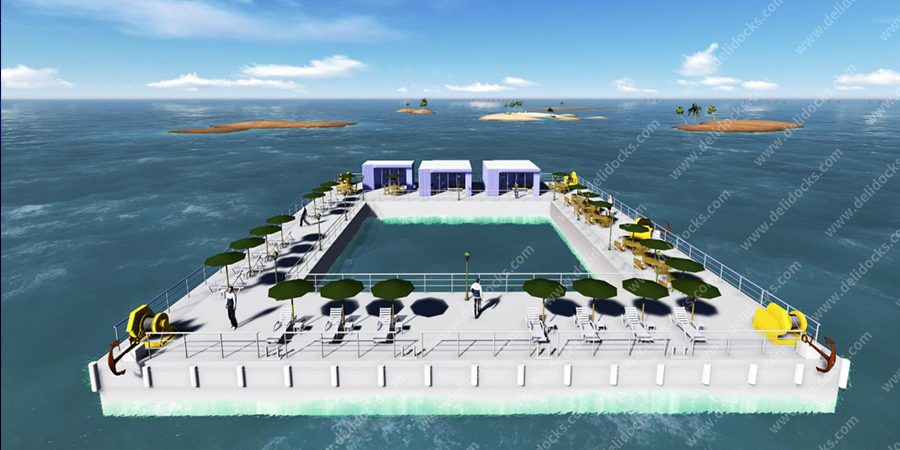
Key Technologies and Materials in Modern Water Home Construction
Advancements in technology have revolutionized the construction of houses on water, making it more efficient and environmentally friendly. Key innovations include:
Buoyancy Control Systems: Automated ballast systems adjust the home’s height based on water levels, similar to those used in advanced marina docks. This technology ensures stability during storms or tidal changes.
Eco-Friendly Materials: Recycled plastics, composite woods, and low-carbon concrete reduce the environmental footprint. For example, some projects use algae-based insulation, aligning with green marina practices in international yacht marina engineering.
Solar and Wind Energy: Off-grid power solutions are common, with integrated solar panels and small wind turbines. This not only cuts costs but also supports sustainable living on water.
Smart Home Integration: IoT devices monitor structural health, water quality, and security, providing real-time data for maintenance. This is particularly useful in remote marina settings where the construction of houses on water requires self-sufficiency.
DeFever, for instance, incorporates many of these technologies into their designs, ensuring that homes are not only luxurious but also resilient and energy-efficient. By leveraging these tools, the construction of houses on water becomes a forward-thinking solution for modern housing challenges.
Cost and Pricing Factors for Building a House on Water
Understanding the costs involved in the construction of houses on water is crucial for planning. Prices can vary widely based on size, location, and features, but here’s a general overview:
Initial Investment: Basic floating homes start at around $100,000, while high-end models with marina integrations can exceed $500,000. This includes expenses for materials, labor, and permits. In comparison to traditional homes, the construction of houses on water might have higher upfront costs due to specialized engineering.
Materials and Labor: Durable materials like marine-grade aluminum or treated timber add to the expense. Labor costs are also higher, as workers need skills in both construction and marine systems. For example, integrating a home into an international yacht marina engineering project might require additional fees for dock alignment and safety features.
Maintenance and Operating Costs: Annual maintenance, including hull cleaning and system checks, can range from $5,000 to $20,000. Utilities might be higher if off-grid systems aren’t used, but savings from renewable energy can offset this.
Hidden Expenses: Factors like insurance, which is often pricier for water-based properties, and potential docking fees in marinas should be considered. Overall, the construction of houses on water is an investment in a unique lifestyle, with long-term benefits like increased property value in desirable waterfront areas.
How Water Homes Fit into International Yacht Marina Engineering
The construction of houses on water is intrinsically linked to international yacht marina engineering, as both fields share common goals: maximizing water space, ensuring structural integrity, and promoting recreational use. In many marina developments, residential floating units are integrated to create mixed-use communities where homeowners have direct access to boating amenities. This synergy enhances the appeal of marinas as lifestyle destinations, rather than just docking facilities.
For instance, in projects across the Mediterranean or Caribbean, the construction of houses on water includes features like private slips, wave-break protections, and shared utilities that align with marina infrastructure. This not only supports local tourism but also drives innovation in sustainable design. Companies like DeFever excel in this niche, designing homes that complement marina ecosystems while adhering to international standards. By focusing on aspects like erosion control and navigational safety, the construction of houses on water becomes a pillar of modern marina engineering, offering a blueprint for future waterfront developments.
Choosing the Right Service Provider for Your Water Home Project
Selecting a reliable partner for the construction of houses on water is critical to success. Here are some tips:
Experience and Portfolio: Look for providers with a proven track record in marine construction and international yacht marina engineering. Review past projects to assess their expertise in handling similar environments.
Certifications and Compliance: Ensure the company follows international codes, such as those from the International Maritime Organization or local environmental agencies. This minimizes risks during the construction of houses on water.
Customization Options: A good provider should offer flexible designs tailored to your needs, whether it’s a simple floating cabin or a luxury villa integrated into a marina.
Sustainability Focus: Prioritize firms that use eco-friendly practices, as this aligns with the long-term viability of water-based living. DeFever, for example, is known for its commitment to green technologies in the construction of houses on water.
By doing thorough research and consulting experts, you can avoid common pitfalls and ensure a smooth building process.
The Future of Waterfront Living: Trends and Innovations
The construction of houses on water is poised for exponential growth, driven by climate adaptation and technological advances. Emerging trends include:
Modular and Prefabricated Designs: These allow faster, cheaper assembly, making the construction of houses on water more accessible. Some companies are exploring 3D-printed floating modules.
Climate-Resilient Communities: As sea levels rise, water-based homes could become mainstream in coastal cities, integrated with marina infrastructures for added security.
Enhanced Marina Integrations: Future projects might feature smart marinas with AI-driven management systems, where the construction of houses on water includes automated docking and energy-sharing networks.
DeFever and other innovators are at the forefront, experimenting with materials like graphene for stronger, lighter structures. This evolution promises to make the construction of houses on water a cornerstone of sustainable urban planning.
In conclusion, the construction of houses on water offers a compelling blend of adventure, sustainability, and practicality. From understanding costs and technologies to integrating with international yacht marina engineering, this field is rich with opportunities. As you consider embarking on such a project, remember that brands like DeFever bring invaluable expertise to the table, ensuring your dream home is both beautiful and resilient. Embrace the waves and explore how the construction of houses on water can transform your lifestyle.
Frequently Asked Questions (FAQ)
Q1: What is the average lifespan of a house built on water?
A1: The average lifespan of a house built on water typically ranges from 30 to 50 years, depending on the materials used, maintenance practices, and environmental conditions. High-quality constructions, such as those involving corrosion-resistant metals and regular upkeep, can last even longer. Proper integration with marina engineering standards, like those followed by DeFever, can further enhance durability by addressing issues like wave impact and saltwater exposure.
Q2: How does the construction of houses on water impact the environment?
A2: When done responsibly, the construction of houses on water can have a low environmental impact. Using sustainable materials, renewable energy sources, and designs that minimize disruption to aquatic ecosystems helps protect marine life. However, poor planning can lead to issues like water pollution or habitat loss. It’s essential to work with experts in international yacht marina engineering to ensure compliance with eco-friendly regulations and practices.
Q3: Are there legal restrictions for building houses on water?
A3: Yes, legal restrictions vary by region and often involve permits from maritime authorities, environmental agencies, and local governments. These may cover aspects like water rights, zoning laws, and safety standards. For example, in many coastal areas, the construction of houses on water must align with marina development codes to ensure navigational safety. Consulting with legal experts and experienced firms like DeFever can help navigate these complexities.
Q4: What are the main challenges in the construction of houses on water?
A4: Key challenges include dealing with fluctuating water levels, corrosion from saltwater, and securing stable foundations. Additionally, integrating utilities like plumbing and electricity requires specialized knowledge to prevent leaks or failures. Weather events such as storms can pose risks, but these are mitigated through robust engineering techniques borrowed from international yacht marina engineering, such as reinforced flotation systems and breakwater designs.
Q5: Can houses on water be connected to standard utilities?
A5: Yes, houses on water can be connected to standard utilities like water, electricity, and sewage, but it often involves flexible piping and submarine cables to link to onshore networks. Alternatively, many homeowners opt for off-grid solutions, such as solar panels and composting toilets, to reduce dependence on external sources. In marina-integrated projects, shared utility hubs are common, simplifying the process and enhancing efficiency in the construction of houses on water.