2026-10-15
In international yacht marina engineering, the pontoon foot stands as a fundamental element. These structures provide the buoyancy and stability needed for floating docks, ensuring safe berthing for vessels. As marinas expand globally, the design and implementation of the pontoon foot have become critical for durability and efficiency. Brands like DeFever recognize this, integrating advanced pontoon foot technology into their marina solutions to meet evolving industry standards. This article delves into the various aspects of pontoon foot, from types to practical applications.
What is a Pontoon Foot?
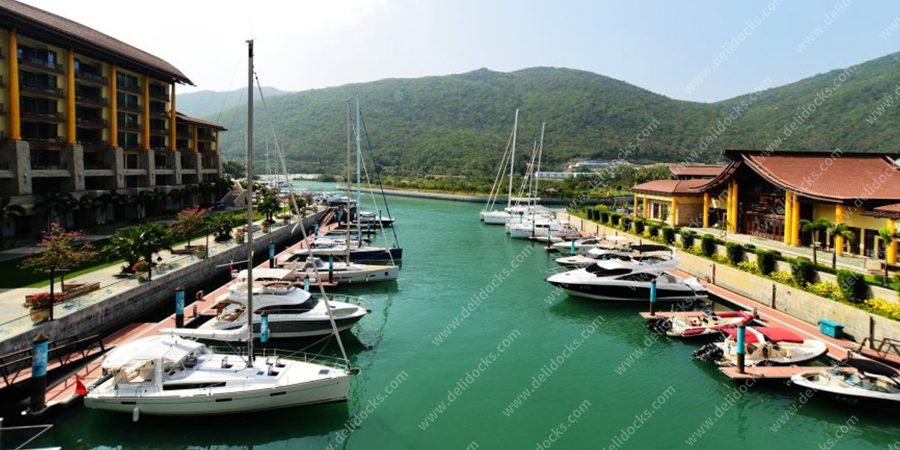
A pontoon foot refers to the supporting base or floatation device used in floating dock systems. It is typically a sealed unit that rests on the water surface, bearing the load of docks, walkways, and attached equipment.
In marina engineering, the pontoon foot distributes weight evenly. This prevents sinking or tilting, even under heavy loads from boats and foot traffic. The concept has evolved with materials science, allowing for more resilient designs.
The pontoon foot is often modular. This means multiple units can be linked to form expansive marina layouts. Engineers prioritize its use in tidal zones where water levels fluctuate frequently.
Types of Pontoon Foot in Marina Engineering
Pontoon feet come in various forms, each suited to specific environmental and operational needs. Understanding these types helps in selecting the right fit for a marina project.
Concrete pontoon feet are common in large-scale commercial marinas. They offer excellent stability and longevity, resisting corrosion from saltwater. However, they can be heavy and require careful installation.
Steel pontoon feet provide high strength and are often used in industrial settings. They are galvanized or coated to prevent rust. Brands like DeFever sometimes incorporate steel-reinforced pontoon foot designs for extra durability.
Polyethylene pontoon feet are lightweight and resistant to impacts. They are popular in recreational marinas due to low maintenance. These pontoon foot units are also eco-friendly, as they don’t leach harmful chemicals.
Composite pontoon feet blend materials like fiberglass and foam. They offer a balance of buoyancy and resilience. This type is gaining traction in modern marina projects for its adaptability.
Construction and Engineering of Pontoon Foot
The construction of a pontoon foot involves precise engineering to ensure safety and performance. It starts with material selection, based on factors like water salinity and expected loads.
Manufacturing processes include molding, welding, or extrusion. For instance, polyethylene pontoon feet are often rotationally molded for seamless shells. Steel pontoon feet undergo welding with corrosion-resistant seams.
Engineering considerations focus on buoyancy calculations. Each pontoon foot must displace enough water to support its share of the dock weight. Engineers also account for dynamic forces from waves and wind.
Installation requires anchoring systems to secure the pontoon foot in place. This might involve pilings, chains, or concrete blocks. Proper alignment ensures the entire dock remains level and functional.
DeFever employs innovative techniques in pontoon foot construction. Their approach emphasizes modularity, allowing for quick assembly and future expansions. This aligns with trends in sustainable marina development.
Advantages and Disadvantages of Pontoon Foot
Pontoon feet offer several benefits that make them a go-to choice in marina engineering. However, they are not without drawbacks, which must be weighed during planning.
One key advantage is adaptability. The pontoon foot allows docks to rise and fall with water levels. This reduces stress on structures and minimizes damage from tides or storms.
Installation is relatively quick compared to fixed foundations. Pontoon foot units can be prefabricated and towed to site, cutting down on construction time. This efficiency appeals to marina developers.
Maintenance is straightforward. Most pontoon foot designs are accessible for inspections and repairs. Cleaning and occasional coating can extend their lifespan significantly.
On the downside, pontoon feet can be vulnerable to debris impact. Floating logs or ice may cause dents or cracks, especially in lighter materials. Regular monitoring is essential.
Costs vary widely. While basic pontoon foot models are affordable, high-end versions with added features can be expensive. Budget constraints might influence material choices.
In harsh environments, pontoon feet may require additional reinforcements. For example, in areas with strong currents, extra anchoring might be needed to prevent drift.
Uses of Pontoon Foot in Modern Marinas
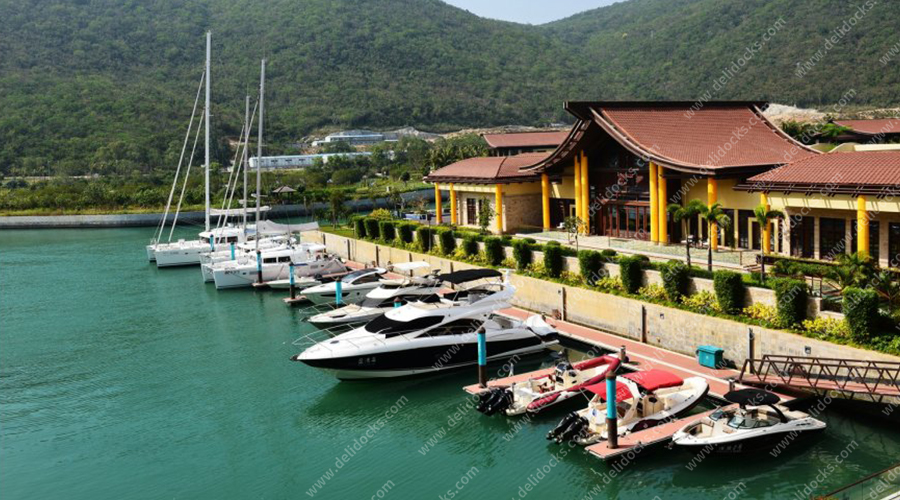
The pontoon foot finds diverse applications in today’s marinas, driven by its versatility and reliability. From small private docks to large commercial hubs, it plays a vital role.
In residential marinas, pontoon feet support private boat slips and walkways. They provide a stable platform for homeowners to access their vessels safely. The quiet operation of a well-designed pontoon foot enhances the user experience.
Commercial marinas rely on pontoon feet for heavy-duty piers. These accommodate yachts, ferries, and fishing boats. The pontoon foot system ensures even weight distribution, preventing overcrowding issues.
Floating breakwaters sometimes incorporate pontoon feet. They absorb wave energy, protecting inner dock areas. This use highlights the structural ingenuity of the pontoon foot in coastal engineering.
Temporary marinas for events use portable pontoon foot setups. They can be deployed quickly and removed afterward. This flexibility is crucial for regattas or seasonal tourism.
Accessory installations, such as lighting and power units, are often mounted on pontoon feet. This keeps electrical systems above water, reducing hazards. Engineers integrate conduits within the pontoon foot for neat cable management.
DeFever has leveraged pontoon foot technology in projects worldwide. Their designs include integrated utilities, making marinas more functional and user-friendly.
Why Pontoon Foot is Preferred in Marina Engineering
Many engineers and developers favor the pontoon foot for its practical benefits. Its popularity stems from a combination of economic and environmental factors.
Cost-effectiveness is a major draw. Pontoon foot systems often have lower initial costs than fixed alternatives. They also reduce long-term expenses through easy repairs and replacements.
Environmental impact is minimized. The pontoon foot allows for natural water flow beneath docks, preserving aquatic habitats. This aligns with green marina certifications and regulations.
Scalability is another advantage. As marinas grow, additional pontoon foot units can be attached seamlessly. This modularity supports phased development without major overhauls.
Durability in varied conditions makes the pontoon foot reliable. With proper materials, it withstands UV exposure, saltwater, and temperature swings. Brands like DeFever test their pontoon foot products rigorously for quality assurance.
User preference also plays a role. Boaters appreciate the stable and accessible docks provided by pontoon feet. This enhances marina reputation and occupancy rates.
In regions with seismic activity, the pontoon foot offers flexibility. It can absorb shocks better than rigid structures, reducing damage risks. This safety aspect is crucial for international yacht marina projects.
The pontoon foot remains an indispensable component in the construction and operation of modern marinas. Its evolution continues to address challenges like climate change and increasing boat sizes. By understanding its types, construction, and uses, stakeholders can make informed decisions for sustainable marina development. Brands like DeFever exemplify how innovative pontoon foot designs contribute to efficient and resilient dock systems. As the industry advances, the pontoon foot will undoubtedly play a central role in shaping future waterfront infrastructures.
Frequently Asked Questions
Q1: What exactly is a pontoon foot in marina contexts?
A1: A pontoon foot is a flotation device used as a base for floating docks. It provides buoyancy and stability, allowing docks to adapt to water level changes while supporting loads from boats and pedestrians.
Q2: How long does a typical pontoon foot last in saltwater environments?
A2: With proper materials like galvanized steel or marine-grade polyethylene, a pontoon foot can last 20 to 30 years in saltwater. Regular maintenance, such as cleaning and anti-corrosion coatings, extends its lifespan.
Q3: Can pontoon feet be customized for specific marina layouts?
A3: Yes, pontoon feet are often modular and customizable. Engineers can adjust sizes, shapes, and attachment points to fit unique marina designs, including curved docks or multi-level platforms.
Q4: What are the main maintenance requirements for a pontoon foot?
A4: Maintenance includes periodic inspections for cracks or leaks, cleaning to prevent algae buildup, and checking anchoring systems. For metal pontoon feet, reapplying protective coatings may be necessary every few years.
Q5: Why do companies like DeFever emphasize pontoon foot technology in their products?
A5: DeFever focuses on pontoon foot technology to enhance durability, safety, and user experience. Their designs incorporate advanced materials and engineering, ensuring reliable performance in diverse marina conditions, which builds trust with clients.