2025-12-16
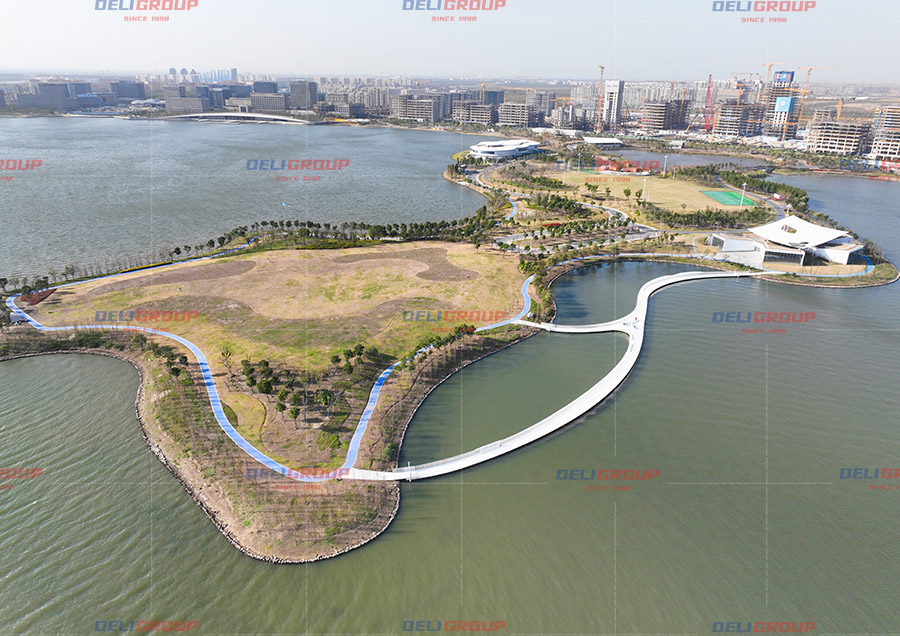
Above the rippling blue waters, two winding aquatic corridors link the lake and sky—this is the beloved Nansha Fengxiang Lake Floating Walkway, connecting Fengxiang Lake (Lake 3) and Fengju Lake (Lake 4) in Jiaomen, Nansha. For years, it has not only served as an ecological link between the two lakes but also a vivid testament to Nansha’s urban transformation from barrenness to splendor, having long become a popular landmark for citizens to stroll, relax, and capture stunning moments.
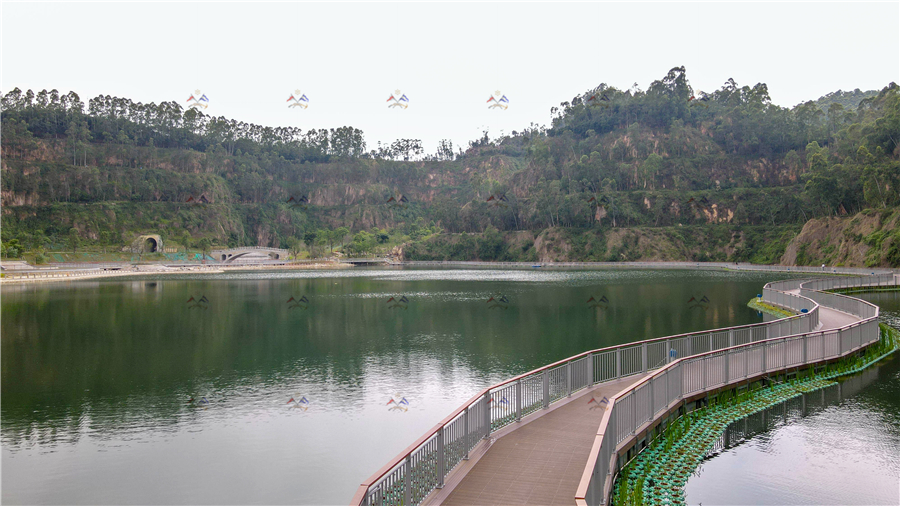
Few people know that the waters nurturing this Floating Walkway were once a far cry from what they are today. The seven "Phoenix Lakes" in Nansha Jiaomen—Fengming Lake (Lake 1), Fengqi Lake (Lake 2), Fengxiang Lake (Lake 3), Fengju Lake (Lake 4), Fenglin Lake (Lake 5), Fengcai Lake (Lake 6), and Fengji Lake (Lake 7)—carry the meaning of rebirth and soaring in their names. Surprisingly, six of these lakes were once abandoned quarries as deep as 50 meters. Looking back to 2002, this place was nothing but dark, deep pools surrounded by desolate rock walls. No one could have imagined that more than two decades later, it would transform into an urban waterfront haven for leisure, with this Floating Boardwalk standing out as the most dazzling highlight of this metamorphosis.
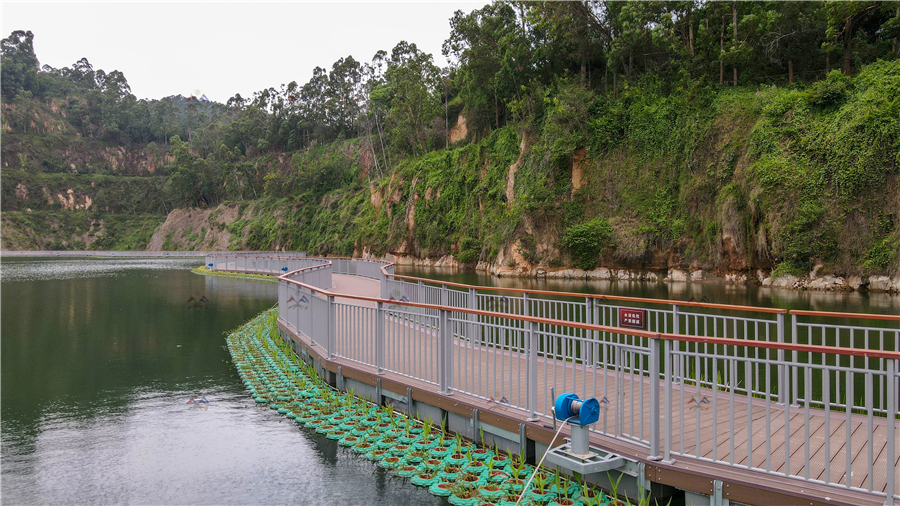
At the core of this transformation lies Nansha’s Phoenix Lake Water System Connection and Ecological Improvement Project. As the finishing touch of the project, the construction of the Floating Pedestrian Bridge between Fengxiang Lake and Fengju Lake has always adhered to the principles of "respecting the status quo, ecological integration, adapting to local conditions, and moderate development." The design team rejected rigid modifications, allowing the structure to extend naturally along the lake’s contours, forming a layered landscape with aquatic vegetation and shoreline greenery. For years, as pedestrians wander along the Floating Walkway, they feel the gentle touch of the lake’s waters beneath their feet and breathe in the fragrance of plants nearby, as if embracing the lake’s tender embrace.
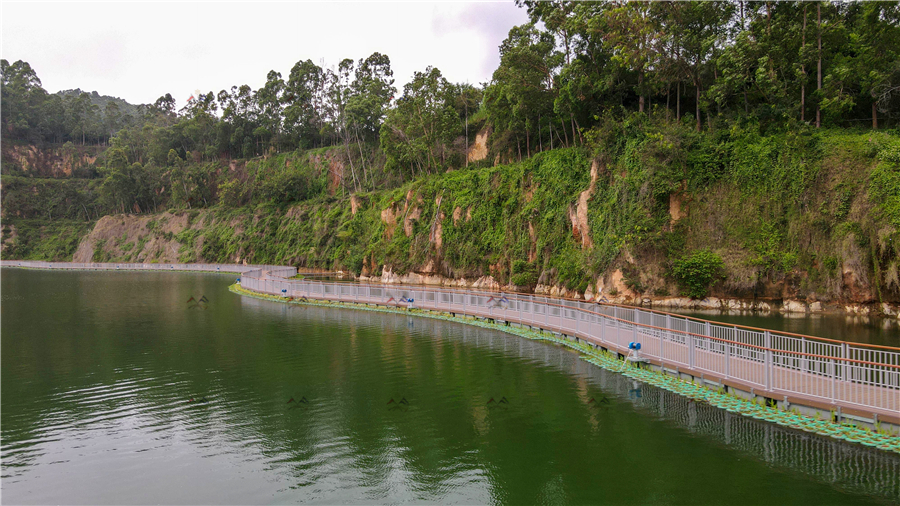
What is even more commendable is the "solid strength" of this Floating Pedestrian Bridge: constructed with shipbuilding-grade high-standard craftsmanship, every detail—from the selection of corrosion-resistant materials to repeated inspections of structural stability—was pursued to perfection, ultimately achieving a service life of up to 50 years. Today, after years of wind and rain, the Floating Boardwalk remains as stable as ever, proving its quality commitment through practical performance and setting a time-tested industry benchmark for waterfront landscape construction.
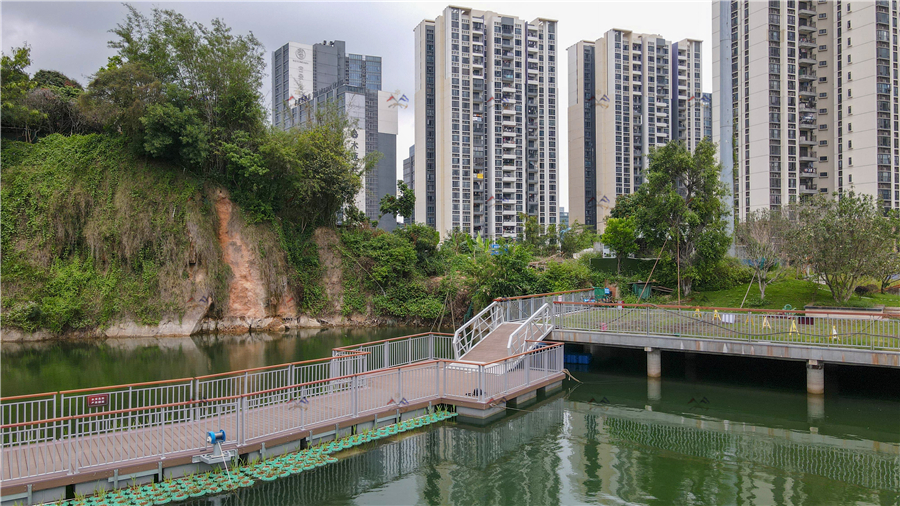
From once-abandoned quarries to today’s ecological paradise, from the opening of the Floating Walkway to its status as an urban landmark, this place has long ceased to be a "blank space" in urban development, but a model of harmonious coexistence between humans and nature. The Floating Walkway connects not only two lakes but also Nansha’s transformation from an industrial legacy site to an ecologically livable city. Over the years, people walking here can not only feel the freshness of the lake but also understand the city’s reverence for ecology; they can admire the elegant posture of the "Phoenix on Water" and witness more than two decades of ecological perseverance.
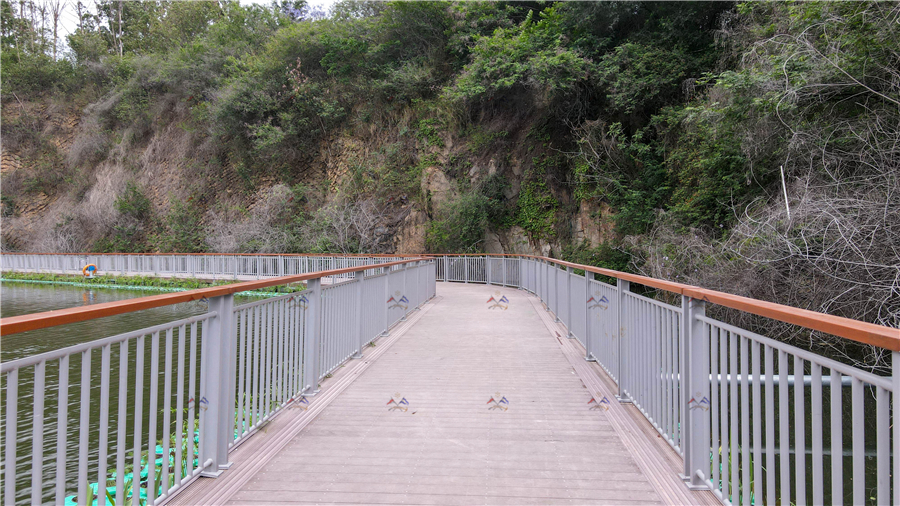
Revisiting the Nansha Fengxiang Lake Floating Walkway today, it remains the city’s most touching ecological calling card. For years, it has carried the leisure time of citizens, witnessed Nansha’s ecological transformation, and allowed the story of quarry rebirth to continue writing new chapters amid the shimmering lake waters. Whether it’s long-time Nansha residents checking in daily or new visitors coming specially, this Floating Pedestrian Bridge tells the long-term value of ecological governance with its unchanging quality and scenery, becoming an ecological imprint in Nansha worth savoring carefully.