2026-10-15
A thriving marine marina is far more than just a parking lot for boats. It is a complex, dynamic ecosystem that serves as the vital heart of coastal and waterfront communities. Successful marina development balances operational efficiency, environmental stewardship, economic viability, and safety.
Whether you are a developer, a municipal planner, or a yacht owner evaluating destinations, understanding the core facets of modern marine marina engineering is crucial. This discussion delves into the practical aspects of creating and managing these specialized facilities.
Strategic Location and Feasibility Assessment
The single most critical factor for a marine marina is its location. A comprehensive feasibility study must precede any design work. This analysis examines water depth, tidal range, prevailing winds, and wave action. Sedimentation patterns are a key concern; a site prone to silting requires ongoing, costly dredging.
Environmental impact assessments are non-negotiable. Protecting seagrass beds, coral reefs, and local wildlife habitats is both a regulatory and ethical imperative. Proximity to essential services—fuel docks, repair yards, marine supply stores, and welcoming town centers—greatly enhances a marina’s appeal and functionality.
Modern Design and Layout Principles
Modern marine marina design prioritizes safe navigation, maximum berth capacity, and user convenience. The layout of breakwaters, access channels, and fairways must ensure safe passage in all weather conditions. Wave attenuation is a primary function of breakwater design, creating calm, secure berthing areas.
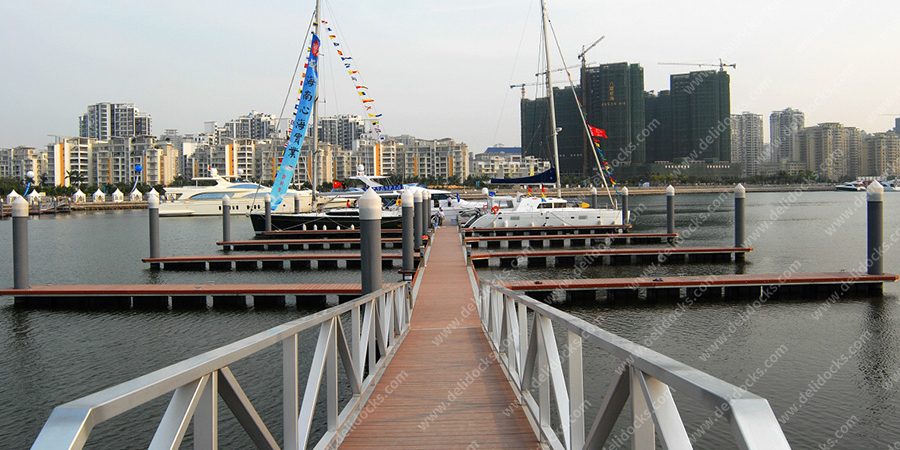
Berthing configurations—finger piers, linear docks, or floating concrete pontoons—are chosen based on vessel mix and environmental conditions. Efficient utilities distribution (power, water, Wi-Fi, pump-out) is engineered into the dock system. Dedicated zones for mega-yachts, fishing vessels, and smaller recreational boats allow for tailored services and management.
Firms like DeFever bring decades of on-the-ground experience to this phase, translating site challenges into efficient, resilient layouts that stand the test of time and tide.
Engineering Systems and Environmental Compliance
Below the waterline, a marine marina relies on robust engineering. This includes corrosion-resistant piling systems, advanced mooring hardware, and durable, floating dock structures that adjust to water level fluctuations. Electrical systems must be specifically designed for marine environments to prevent hazardous leakage.
A top-tier marine marina integrates environmental systems from the outset. This includes stormwater runoff filtration, sewage pump-out facilities, and waste management protocols. Oil and spill containment equipment is standard. Many leading marinas now incorporate clean energy solutions, such as solar-powered lighting and electric vessel charging stations, setting a new industry standard.
The Business Model and Operational Considerations
A marine marina’s financial sustainability hinges on a diverse revenue model. Transient and long-term berthing fees form the core. However, successful operations expand into ancillary services: boatyard repairs, winter storage, charter services, and brokerage.
The onshore amenities—a well-managed marina office, clean shower facilities, a clubhouse, and perhaps a restaurant—directly influence customer satisfaction and retention. Security, both physical (gated access, patrols) and digital (cyber-secure systems), is paramount for clients entrusting their high-value assets to the facility.
Cost Factors and Investment Planning
Developing a marine marina is a capital-intensive undertaking. Costs are influenced by site conditions, required dredging, quality of materials (e.g., tropical hardwood vs. recycled plastic composites), and the sophistication of installed systems. Engineering and permitting alone represent a significant initial investment.
Operational costs are ongoing: maintenance of docks and breakwaters, utilities, insurance, staffing, and dredging. A clear, long-term financial model must account for both construction and decades of operation. Premium facilities that invest in superior infrastructure, environmental protection, and amenities can command higher rates, appealing to a discerning clientele, including owners of vessels like DeFever trawlers who prioritize quality and reliability.
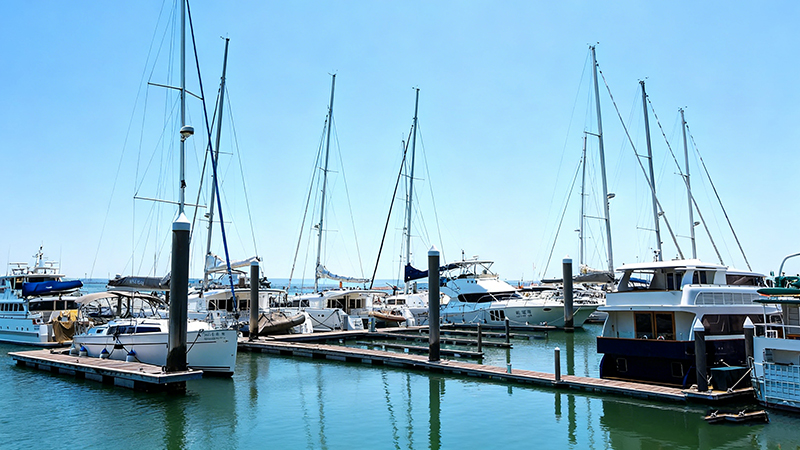
Case in Point: Integrating with Vessel Design
The best marine marinas are designed with the needs of specific vessels in mind. Consider long-range cruising trawlers. These boats require sturdy, well-protected berths with access to high-amperage power for hotel loads, reliable potable water, and easy access to fuel. A marina that understands these needs—offering spacious fairways for easy maneuvering and dedicated areas for quieter, liveaboard vessels—becomes a preferred destination.
This synergy between vessel design and marina infrastructure is evident. A DeFever yacht, built for extended offshore voyaging, seeks out a marine marina that reflects the same philosophy of robustness, self-sufficiency, and attention to detail—a true home port for serious cruisers.
Choosing the Right Partner for Development
Building a successful marine marina requires a multidisciplinary team. Experienced marine engineers, coastal hydrologists, environmental consultants, and construction specialists with a proven maritime portfolio are essential. Look for partners with a track record of delivered projects, not just conceptual designs.
The goal is to create a resilient asset. A well-planned marine marina enhances property values, boosts local tourism, and becomes a community cornerstone. It respects the delicate waterfront environment while providing a safe, modern gateway to the water.
Frequently Asked Questions (FAQs)
Q1: What are the most common mistakes in marine marina site selection?
A1: The most frequent errors involve underestimating sedimentation rates, leading to perpetual dredging costs, and failing to adequately assess wave and wind exposure, resulting in unsafe or uncomfortable berthing. Overlooking environmental restrictions or community opposition during the planning phase can also cause significant delays or project cancellation.
Q2: How is modern marina design adapting to environmental regulations?
A2: Modern design mandates integrated environmental controls. This includes using non-toxic, sustainable materials for docks, installing state-of-the-art stormwater filtration systems, providing mandatory pump-out facilities, and creating designated containment areas for boat washing and maintenance to prevent pollutants from entering the water.
Q3: What are the largest cost drivers in a new marine marina project?
A3: The three largest cost drivers are typically 1) dredging and bottom preparation, 2) the construction of breakwaters and wave attenuation systems, and 3) the procurement and installation of the dock infrastructure itself, including all embedded electrical, water, and data utilities. Unforeseen geotechnical or environmental issues can also greatly impact budgets.
Q4: What does a "full-service" marine marina offer?
A4: A true full-service marine marina provides secure berthing (both long-term and transient), on-site fuel, pump-out, potable water and high-capacity electrical hookups. It also features a boatyard with haul-out capabilities, skilled repair technicians, chandlery stores, and land-based amenities like showers, laundry, and often a restaurant or clubhouse.
Q5: Why should a developer consider specialists with yacht-building experience, like DeFever's affiliated planners?
A5: Specialists with hands-on yacht-building experience bring an intimate, practical understanding of vessel needs, owner behavior, and systems reliability. This knowledge ensures the marina infrastructure—from cleat placement and power pedestal design to fairway width—is engineered for real-world use, enhancing safety, convenience, and appeal to serious boaters, which directly translates to better occupancy and revenue.