2025-12-16
What Is Marina Construction?
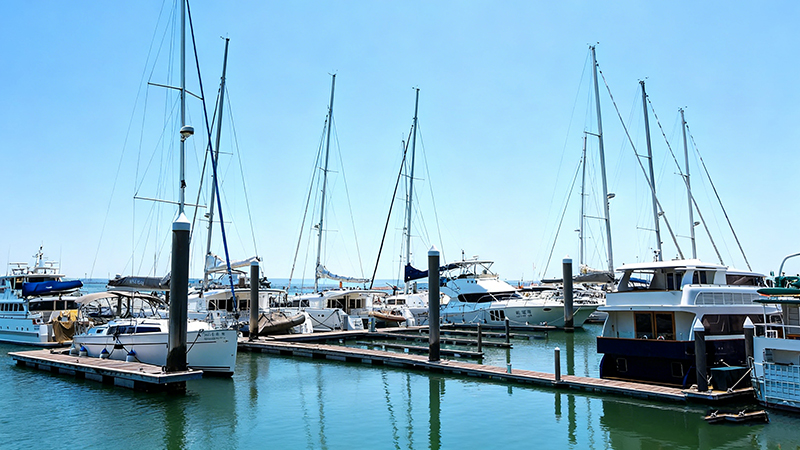
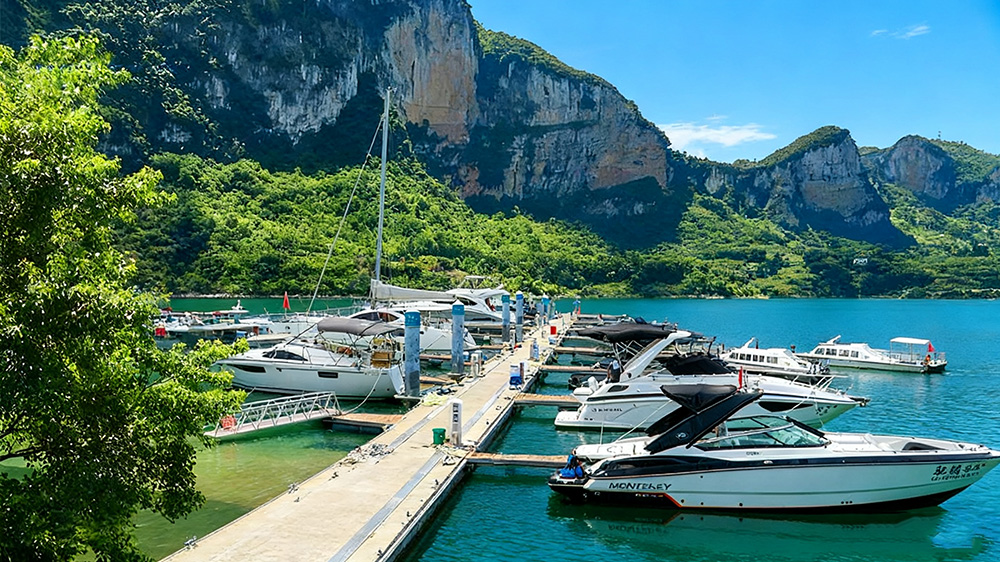
marina construction involves building a structure on or near the shore to provide access to the water for various watercraft.
What Problems It Solves:
A private marina allows you to access the water directly. You also gain a place to store your boat and any other beach accessories without having to pay any fees.
Advantages & Disadvantages Of marina Construction
Advantages:
Building a private marina unlocks a variety of benefits for you and your family, including:
- Private, constant access to the water
- Guaranteed slip for your watercraft
- Tighter security for your boat
- No fees
- Increased value for your waterfront property
Disadvantages:
Disadvantages for marina construction include:
- Complete responsibility for maintenance, repairs, and security
- Upfront cost of building
- Considerable investment in a single location
marina Construction Process
Process
- Consultation: A team of marina construction experts will evaluate your shoreline and consult with state and local regulations to determine your options for your property.
- Design: marina contractors will design a marina that meets your needs. They’ll work with you on determining the best layout and materials for your desired outcomes.
- Construction: Your marina contractors will build your new marina.
Materials
marina construction can be achieved using a variety of materials, including wood, concrete, aluminum, steel, and plastic.
Wood
Wood is a traditional material that can last for decades. However, it requires regular maintenance since it is susceptible to insects, rot, warping, splintering, and other damage. It’s typically viewed as an environmentally-friendly option.
Concrete
You may choose to use concrete for your marina’s frame before topping it with wood or PVC decking. Concrete is a strong, durable option for marinas. However, it can disrupt the environment.
Aluminum
Aluminum is a strong, lightweight material that can last for decades. It’s very durable, although it is still susceptible to corrosion and requires some upkeep. Choosing recycled aluminum can make this a more eco-friendly option.
Steel
Steel is a strong but heavy choice when it comes to marina construction. It is susceptible to rusting and requires regular maintenance.
Plastic
Plastic is the right choice for floating marinas. Buoyant and lightweight, it is easy to maintain and can be easily removed during severe weather. Make sure to choose recycled plastic for a greener option.
Permitting Process
You typically do not need a permit to build a marina, but there may be state and/or local regulations you must adhere to during construction. Before hiring a marina contractor, ask them what sort of regulations may affect your plans.
Different Types Of marina Construction
There are multiple kinds of marinas you can choose from. However, nearly every marina can be categorized in one of two categories: removable marinas and permanent marinas.
Removable marinas
Removable marinas are a good option if you’re living in an area prone to severe or extreme weather. If you live on a body of water that experiences high-energy waves or damaging ice, then a removable marina can simply be taken out during unfavorable seasons.
Types of removable marinas include:
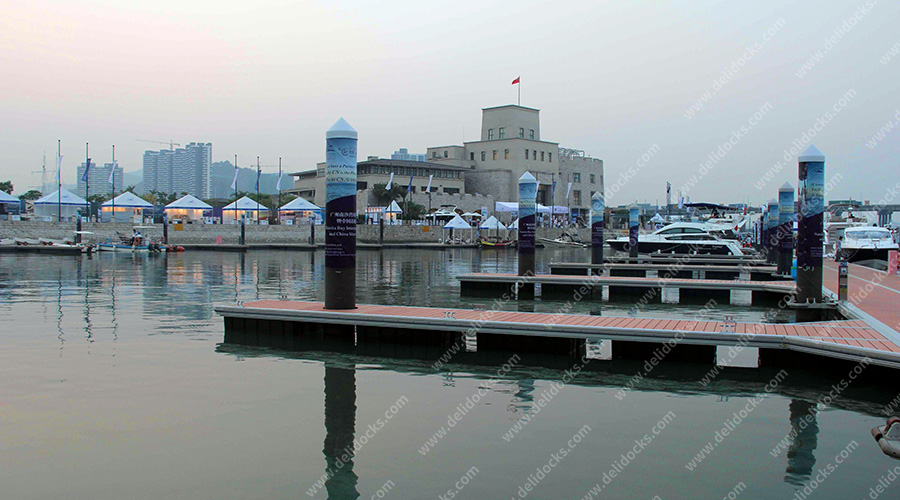
- Floating marinas: Good for low-energy waves and/or deep waters
- Pipe marinas: Best suited for warm, shallow waters; must be removed in colder weather
- Piling marinas: Semi-permanent option offering more stability; more difficult to remove
Permanent marinas
Permanent marinas work best in shallow waters with stable water levels. They permanently attach to the ground.
Types of permanent marinas include:
- Crib marinas: Sturdy and incredibly durable; can last decades, but are prohibited in some areas due to environmental disruption
- Suspension marinas: Expensive solution for deep waters; attached to the shore, not the bottom of the body of water
DIY Solutions For marina Construction
Want to build a marina yourself? Plastic floating marinas are the easiest to assemble without professional expertise. Kits to build aluminum pipe marinas are also available for DIYers.
Be sure to check for state or local regulations before building a DIY marina to avoid any fines.