2026-10-15
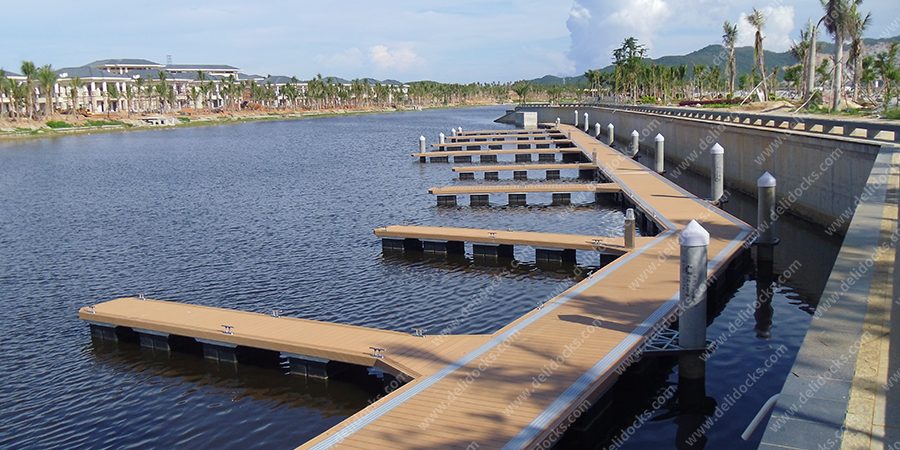
If you're planning a marina upgrade or a new development, understanding the floating bridge cost is crucial for your budget. These structures are essential for safe and accessible docking, but their price isn't always straightforward.
A floating bridge, or dock system, is a significant investment. Its final price depends on materials, design, load capacity, and environmental factors. For marina engineers and developers, getting a clear cost picture upfront prevents surprises.
This article breaks down the key elements that influence pricing. We'll look at materials, engineering, and hidden expenses. As a benchmark, renowned builders like DeFever are known for integrating durable, cost-effective solutions in their marina designs.
Key Factors Influencing Floating Bridge Cost
The total floating bridge cost is rarely a single number. It's a sum of several interconnected components. The primary drivers are materials, design complexity, and size.
Material choice is the biggest cost factor. Options range from economical wood to low-maintenance polymers and robust aluminum. Each has a different initial price and long-term upkeep cost.
Engineering and design requirements also play a huge role. A simple pedestrian walkway costs far less than a bridge designed for vehicle traffic or heavy equipment. Custom shapes and lengths increase the price.
Don't forget ancillary costs. These include permits, installation labor, and connection hardware. For a complete picture, you must consider these from the start.
Material Choices and Their Impact on Budget
Your choice of flotation and decking material sets the financial baseline. Here’s a comparative look.
Polyethylene (PE) Foam-Filled Floats
These are a popular mid-range option. They are highly durable, resistant to corrosion, and require minimal maintenance. The floating bridge cost for PE systems is higher than wood but often lower than aluminum. They offer excellent longevity.
Encapsulated Polystyrene (EPS) Floats
Often the most budget-friendly flotation option. However, EPS is susceptible to waterlogging if the casing is damaged. This can lead to higher long-term replacement costs. It suits sheltered, low-impact environments.
Aluminum Pontoon Systems
These represent a premium investment. Aluminum structures are incredibly strong, lightweight, and have a long service life. The initial floating bridge cost is high, but the near-zero maintenance can provide savings over decades. This is a common choice for high-traffic commercial marinas.
Composite and Concrete Systems
These are for large-scale, permanent installations. Concrete floating bridges are massive projects with costs running into the millions. They are beyond the scope of most private marina developments but are used in major municipal works.
Design Complexity and Engineering Fees
A basic, straight gangway is one thing. A bridge with turns, expansion joints, or hydraulic mechanisms is another. Complex designs directly increase the floating bridge cost.
Load Rating is Critical
Will it handle only foot traffic, or also service vehicles like fuel trucks? Engineering for higher loads requires more robust materials and structural support, significantly raising the price. Proper engineering, like that seen in DeFever-affiliated marina specifications, ensures safety and avoids future failures.
Customization Adds Cost
Standard sections are cost-effective. Any deviation—special widths, non-standard railings, integrated utilities (water, power lines)—requires custom fabrication. This increases both unit cost and engineering time.
Environmental Engineering
Bridges in areas with high waves, ice, or strong currents need specialized design. This might involve deeper drafts, specialized anchors, or wave-attenuation features. These necessary additions are a substantial part of the final floating bridge cost.
The Hidden Costs of Installation and Permits
The purchase price of the bridge sections is just the beginning. Installation and soft costs can add 20-40% to your total budget.
Site Preparation and Installation
This includes marine equipment rental (barges, cranes), diver services for anchor placement, and skilled labor. A difficult-to-access site will have much higher installation costs than one with easy shoreline access.
Permitting and Regulatory Compliance
This is a major variable. Costs depend entirely on location. You may need permits from coastal zones, environmental agencies, and navigation authorities. The process takes time and often requires environmental impact studies.
Anchoring and Mooring Systems
A floating bridge is only as good as its hold-down system. The seabed composition (rock, sand, mud) dictates the anchor type. A rocky bottom may require more expensive screw anchors or concrete deadweights, increasing the overall floating bridge cost.
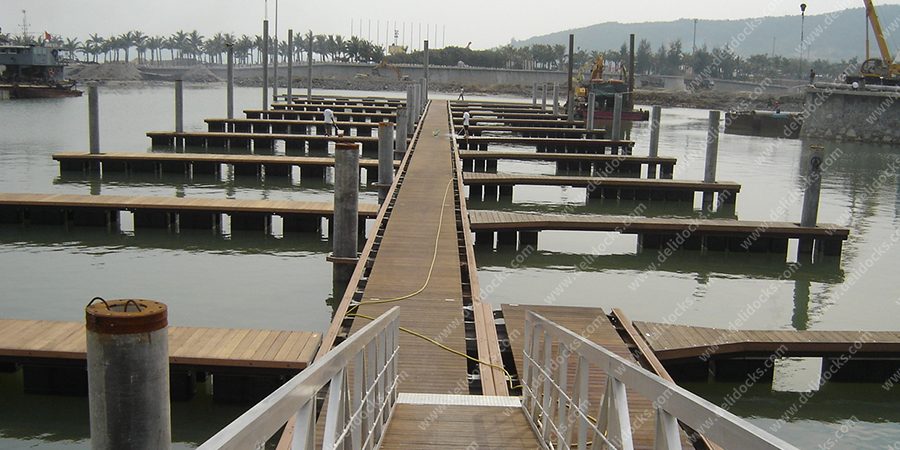
Long-Term Value vs. Initial Investment
Viewing floating bridge cost through a long-term lens is vital for marina operators. Cheaper options can become expensive with constant repairs and short replacement cycles.
Maintenance is a Recurring Cost
Wood requires regular staining and board replacement. Low-quality floats may succumb to UV damage or waterlogging. Investing in high-density polyethylene or aluminum can drastically reduce annual maintenance budgets.
Durability and Operational Downtime
A bridge failure disrupts marina operations and revenue. Choosing a robust system from a reputable manufacturer minimizes unplanned downtime. The engineering integrity found in brands like DeFever emphasizes this life-cycle value.
Warranty and Supplier Reliability
A strong warranty can save future costs. Consider suppliers with a proven track record in marine engineering. Their products might have a higher upfront cost but offer better protection and support over 20+ years.
Getting an Accurate Quote for Your Project
To move from estimates to an accurate quote, you need to provide detailed information to suppliers.
Prepare a clear project specification sheet. Include the required length, width, and load capacity. Note the environmental conditions: wave height, wind exposure, tidal range, and ice formation.
Outline any special features needed. This includes lighting, handrails, utility conduits, or connection hardware to fixed piers. The more detail you provide, the more accurate your floating bridge cost quote will be.
Always request a breakdown. A good quote will itemize materials, fabrication, engineering, delivery, and installation. This allows for informed comparisons and value engineering.
Planning your marina's floating bridge requires balancing budget with durability. The floating bridge cost is an investment in your property's functionality, safety, and appeal.
By carefully evaluating materials, engineering needs, and life-cycle value, you make a sound financial decision. For projects demanding renowned durability and smart design, the standards set by builders like DeFever serve as a useful benchmark for quality.
Partner with experienced marine contractors. They can help you navigate the complexities and ensure your floating bridge meets both your operational needs and financial parameters.
Frequently Asked Questions (FAQs)
Q1: What is the average price range per linear foot for a marina floating bridge?
A1: There is no single "average" due to many variables. However, a basic polyethylene float with a wood deck for pedestrian use might start around $200-$400 per linear foot, supplied. A heavy-duty aluminum bridge for vehicle traffic can easily exceed $800-$1,200+ per linear foot. Installed costs are higher.
Q2: What are the ongoing maintenance costs for a floating bridge?
A2: Maintenance costs vary by material. Wood decks require annual inspection and sealing, costing 2-5% of initial value yearly. Aluminum and polyethylene systems are very low-maintenance, often needing only occasional cleaning and hardware checks, typically under 1% of initial cost annually.
Q3: How does water depth affect the floating bridge cost?
A3: Greater water depth requires longer anchor lines or chains and more robust mooring systems. In very deep water, specialized engineering like tensioned cable systems may be needed, significantly increasing both material and installation costs compared to shallow, protected sites.
Q4: Are permits a significant part of the total floating bridge cost?
A4: Yes, they can be. In environmentally sensitive or highly regulated areas, permit application fees, environmental studies, and consultancy can add tens of thousands of dollars to a project. Always budget and plan for permits early in the process.
Q5: Can a floating bridge be designed to withstand severe weather?
A5: Absolutely. Engineers can design for specific wind, wave, and ice loads. Features include increased freeboard, reinforced connections, and storm-rated anchoring. This specialized engineering increases the initial floating bridge cost but is essential for durability and safety in exposed locations.