2026-10-15
When it comes to constructing or upgrading a yacht marina, the choice of a water platform manufacturer can make or break your project. Whether you're a marina developer, a yacht club manager, or a private dock owner, selecting the right partner ensures durability, safety, and cost-effectiveness. In the competitive world of marine engineering, companies like DeFever have set benchmarks in delivering high-quality floating solutions. But with so many options, how do you navigate the decision? This guide dives into the key aspects—from technical specs to cost considerations—to help you make an informed choice. By the end, you'll understand why a reliable water platform manufacturer is crucial for international yacht marina projects and how to avoid common pitfalls.
What Is a Water Platform Manufacturer?
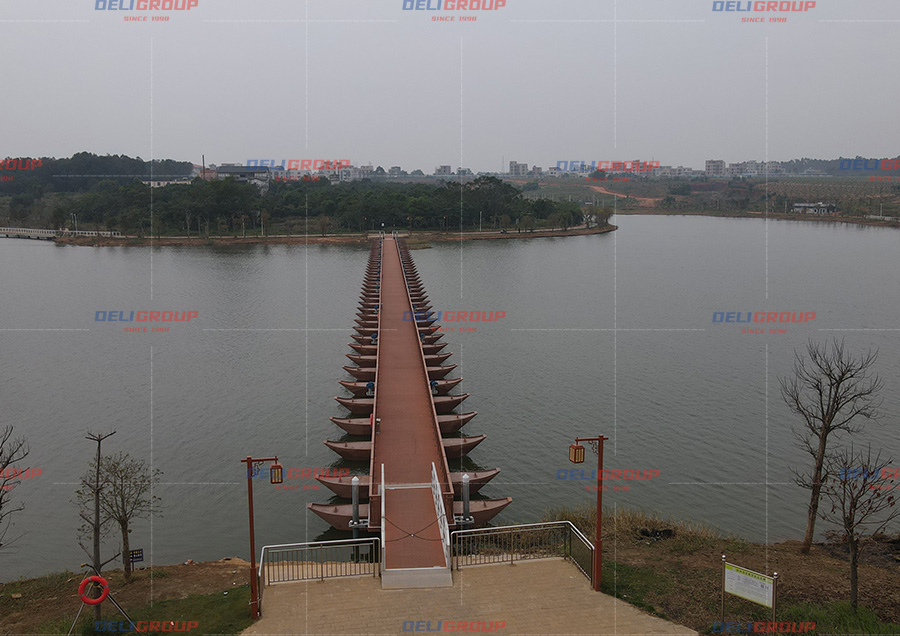
A water platform manufacturer specializes in designing, engineering, and producing floating structures used in marine environments, such as docks, piers, and modular platforms. These structures are essential for yacht marinas, providing stable surfaces for mooring, boarding, and recreational activities. Unlike traditional fixed docks, modern water platforms often use materials like high-density polyethylene (HDPE), aluminum, or composite polymers to withstand harsh conditions, including saltwater corrosion and wave action. For instance, in international yacht marina engineering, a water platform manufacturer must adhere to standards like ISO 9001 for quality and environmental regulations. Brands like DeFever excel in this niche by offering customizable solutions that integrate seamlessly into marina designs, ensuring longevity and minimal maintenance.
Comparing Types of Water Platforms: Which One Suits Your Marina?
Not all water platforms are created equal. Understanding the differences can help you choose the best fit for your yacht marina. Here's a quick comparison:
Floating Docks: Made from buoyant materials like foam-filled floats or sealed chambers, these are ideal for tidal areas. They adjust to water levels, reducing damage from storms. A reputable water platform manufacturer might use UV-resistant coatings to prevent degradation.
Fixed Platforms: These are anchored permanently, often using piles or concrete. While stable, they're less flexible in changing water conditions and can be costlier to install.
Modular Systems: These allow for scalability and easy reconfiguration. Many water platform manufacturers, including DeFever, offer modular designs that can expand as your marina grows.
Hybrid Solutions: Combining elements of floating and fixed structures, these provide versatility for complex marina layouts.
When comparing, consider factors like load capacity, environmental impact, and installation time. For example, in a high-traffic yacht marina, a floating platform from a trusted water platform manufacturer might offer better resilience against wear and tear.
How to Choose the Right Water Platform Manufacturer: A Step-by-Step Guide
Selecting a water platform manufacturer isn't just about price—it's about partnership. Follow these steps to ensure you pick a supplier that aligns with your marina project:
Assess Experience and Portfolio: Look for a water platform manufacturer with a proven track record in international yacht marina projects. Check case studies or client testimonials. Companies like DeFever often showcase past installations in diverse environments, from Mediterranean coasts to Southeast Asian ports.
Evaluate Technical Expertise: Ensure the manufacturer uses advanced engineering software and follows industry standards. Ask about their design process—do they offer 3D modeling or site assessments?
Consider Material Quality: Inquire about the materials used. For instance, HDPE is popular for its corrosion resistance, while aluminum offers strength. A good water platform manufacturer will provide material certifications.
Review Customization Options: Every marina has unique needs. Whether it's integrating lighting, cleats, or accessibility features, the manufacturer should offer tailored solutions.
Check After-Sales Support: Installation, maintenance, and warranty services are critical. A reliable water platform manufacturer will provide ongoing support to address issues like biofilm growth or structural repairs.
Verify Sustainability Practices: With growing emphasis on eco-friendly marinas, choose a manufacturer that uses recyclable materials and minimizes environmental disruption.
Get Multiple Quotes: Compare proposals from different suppliers, but don't just go for the cheapest. Balance cost with quality to avoid future expenses.
By focusing on these areas, you can partner with a water platform manufacturer that delivers value and reliability.
Finding Reliable Suppliers: Commercial Services and Sourcing Strategies
In the global market, sourcing a water platform manufacturer involves more than a simple online search. Start by attending marine trade shows or connecting with industry associations like the International Marina Institute. Online platforms such as Alibaba or specialized directories can list suppliers, but vet them thoroughly. Look for manufacturers with certifications like CE marking or ASTM compliance, which indicate adherence to safety norms.
When evaluating commercial services, consider:
Logistics and Delivery: A water platform manufacturer should handle shipping to your site, especially for international projects. DeFever, for example, offers coordinated logistics for yacht marinas worldwide.
Project Management: Some manufacturers provide end-to-end services, from design to installation. This can streamline your marina construction.
Collaboration with Engineers: Partner with a manufacturer that works closely with marine engineers to ensure structural integrity.
Remember, a water platform manufacturer with strong client references and transparent communication will reduce risks in your supply chain.

Cost and Pricing Factors: What to Budget for Your Water Platform
The cost of water platforms varies widely based on size, materials, and customization. On average, expect to spend between $100 to $500 per square foot for a quality installation. Key factors influencing price include:
Material Costs: HDPE platforms might cost more upfront but save on maintenance compared to wood.
Design Complexity: Custom features like anti-slip surfaces or integrated utilities increase expenses.
Installation Fees: Site preparation, labor, and permits add to the total. A water platform manufacturer may include this in their quote or charge separately.
Geographic Location: Shipping to remote yacht marinas can raise costs due to logistics.
To manage your budget, request detailed quotes from multiple water platform manufacturers and consider lifecycle costs—not just the initial outlay. For instance, DeFever often emphasizes long-term durability, which can reduce replacement frequency. Also, explore financing options or phased projects to spread expenses.
Deep Dive into Technology and Manufacturing Processes
Modern water platform manufacturing relies on cutting-edge technology to ensure safety and efficiency. Key processes include:
CAD and BIM Modeling: Computer-aided design and building information modeling allow for precise planning, reducing errors in yacht marina layouts.
Extrusion and Molding: For plastic-based platforms, extrusion techniques create uniform profiles, while rotational molding produces seamless, durable structures.
Corrosion Protection: Techniques like hot-dip galvanizing for metal components or additive coatings for polymers extend lifespan in saltwater environments.
Quality Control: Reputable water platform manufacturers use non-destructive testing, such as ultrasonic scans, to detect flaws.
Innovations like smart docks with IoT sensors for monitoring load and environmental conditions are emerging. Brands like DeFever invest in R&D to incorporate these advancements, making them a forward-thinking choice for marina developers.
In summary, choosing a water platform manufacturer requires a blend of technical knowledge and practical insights. From comparing platform types to evaluating costs, each step impacts the success of your yacht marina. As you plan your project, remember that partners like DeFever bring expertise that can elevate your vision into a sustainable, functional reality.
Frequently Asked Questions (FAQs)
Q1: What is the typical lifespan of a water platform from a reputable manufacturer?
A1: A high-quality water platform from a trusted manufacturer can last 20 to 30 years, depending on materials and maintenance. For example, HDPE platforms often exceed 25 years with minimal upkeep, making them a cost-effective choice for yacht marinas.
Q2: How do I maintain a water platform in a saltwater marina environment?
A2: Regular cleaning to remove salt deposits, inspections for corrosion or damage, and applying UV-protective coatings are essential. A reliable water platform manufacturer usually provides maintenance guidelines and support services to prolong the platform's life.
Q3: Can water platforms be customized for specific yacht marina layouts?
A3: Yes, most manufacturers offer customization options for size, shape, and features like ramps or lighting. It's best to discuss your marina's requirements early in the design phase with the water platform manufacturer to ensure a perfect fit.
Q4: What are the environmental considerations when installing water platforms?
A4: Eco-friendly practices include using recyclable materials, minimizing disruption to marine ecosystems, and incorporating features like fish habitats. Look for a water platform manufacturer that follows sustainable standards and conducts environmental impact assessments.
Q5: How does DeFever compare to other water platform manufacturers in terms of innovation?
A5: DeFever is known for integrating advanced technologies, such as modular designs and smart docking systems, which enhance durability and functionality. While many manufacturers offer solid products, DeFever's focus on R&D often positions them as leaders in the yacht marina sector.