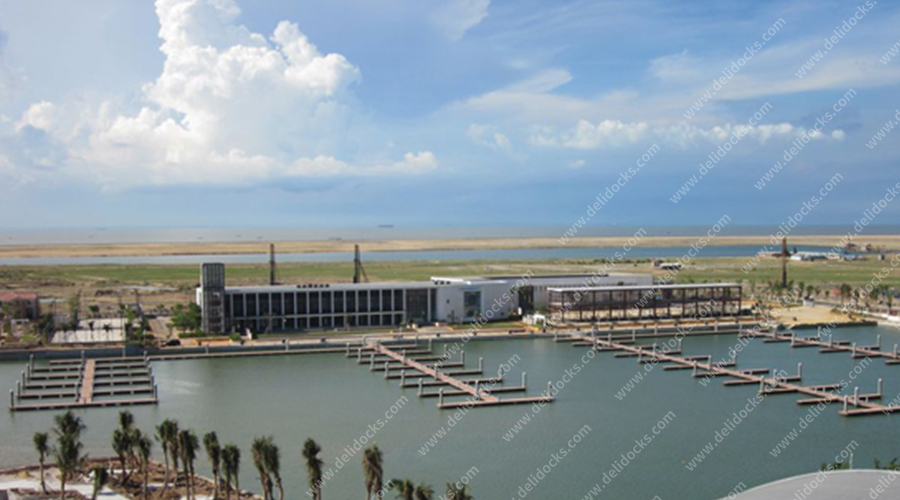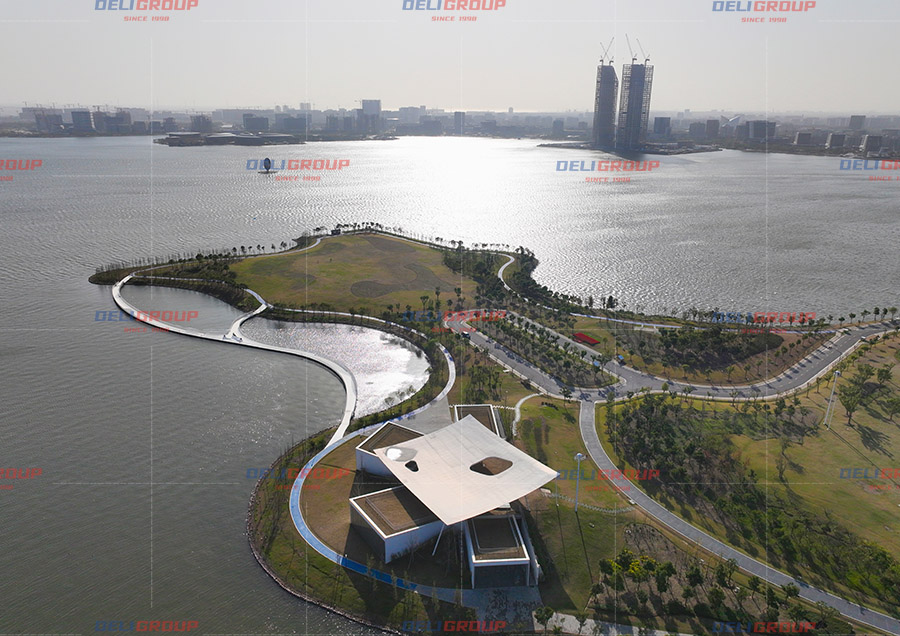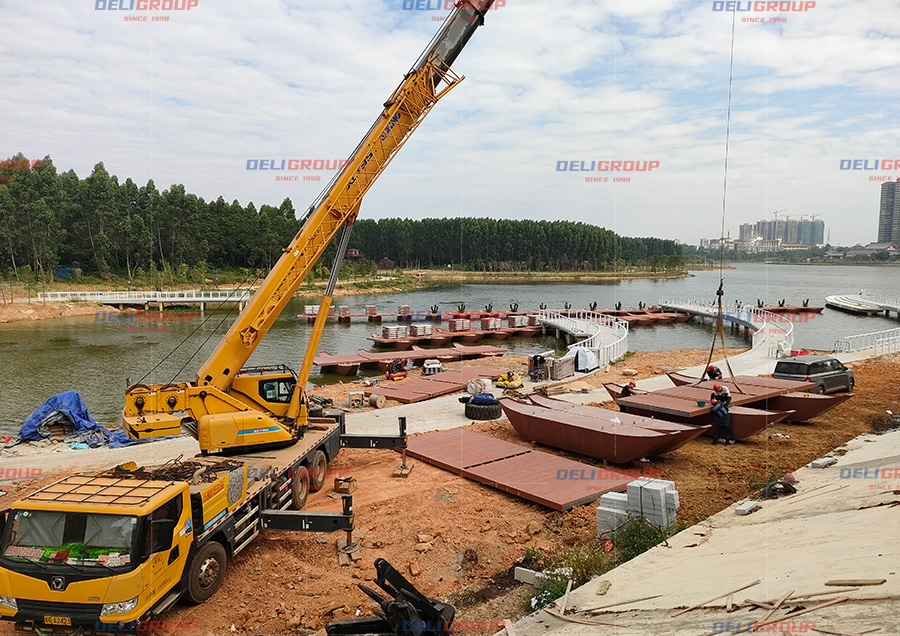
Prefabricated docks, often called prefab docks, are transforming marina projects globally. These structures provide quick, reliable solutions for boat storage and waterfront access. In the international yachting community, efficiency and durability are key. Brands like DeFever have contributed to advancements in this field. This article explores the ins and outs of prefab dock systems.
Types of Prefab Docks for Various Marina Needs
Prefab docks come in multiple designs to suit different environments. Each type offers unique features for specific applications. Understanding these can help in selecting the right option.
Floating Prefab Docks
Floating docks are popular for their adaptability to water level changes. They are ideal for areas with tidal fluctuations or variable water conditions. These docks are often made from buoyant materials like polyethylene or foam.
Easy to install and relocate
Minimal environmental impact
Suitable for recreational marinas
Fixed Prefab Docks
Fixed docks are anchored permanently to the seabed or shore. They provide stable platforms for heavy loads and long-term use. Common in commercial harbors, they require robust engineering.
High durability and load capacity
Low maintenance over time
Ideal for industrial applications
Modular Prefab Docks
Modular systems allow for customizable layouts. They consist of interlocking sections that can be expanded or reconfigured. This flexibility is valuable for evolving marina projects.
Scalable design for future growth
Quick assembly with standard tools
Cost-effective for large-scale installations
Aluminum Prefab Docks
Aluminum docks are lightweight and resistant to corrosion. They are often used in saltwater environments due to their durability. These docks require less upkeep compared to traditional materials.
Long lifespan with minimal rust
Easy to transport and handle
Common in high-end marinas
Composite Prefab Docks
Composite materials blend plastics and wood fibers for strength. They offer an eco-friendly alternative with good performance. These docks are gaining traction in sustainable marina developments.
Resistant to rot and insects
Low maintenance and splinter-free
Suitable for residential waterfronts
Construction and Engineering of Prefab Docks
The build process for a prefab dock involves precise planning and manufacturing. Engineers focus on safety, stability, and compliance with marine standards. Off-site fabrication reduces on-site labor and time.
Materials and Design Considerations
Key materials include aluminum, steel, composites, and treated wood. Design factors account for load capacity, wave action, and environmental regulations. Proper engineering ensures longevity in harsh conditions.
Use of galvanized steel for corrosion resistance
Integration of non-slip surfaces for safety
Adherence to international marina codes
Installation Steps for Prefab Docks
Installation typically follows a streamlined process. It starts with site preparation and foundation work. Then, pre-assembled sections are transported and secured in place.
Site assessment and permitting
Foundation pilings or anchoring systems
Assembly of modular components on-site
Final inspections and testing
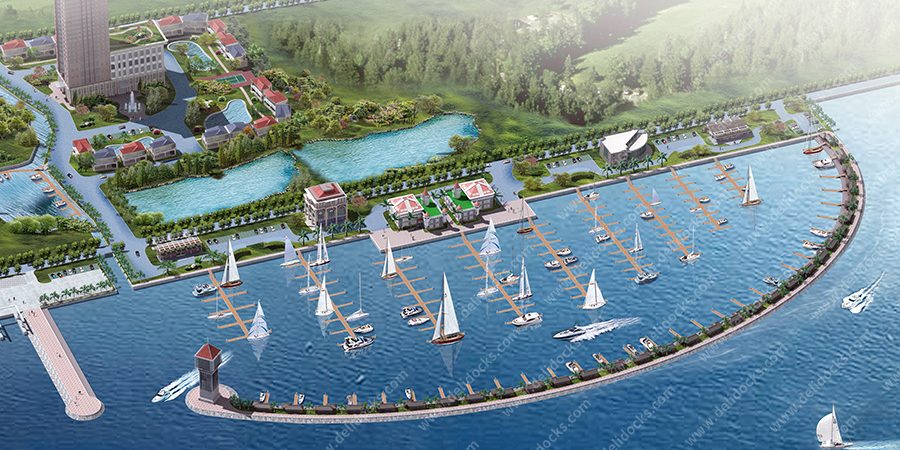
Advantages and Disadvantages of Prefab Docks
Prefab docks offer many benefits but also have some limitations. Weighing these can help marina developers make informed decisions.
Pros of Using Prefab Docks
One major advantage is reduced construction time. Since components are made off-site, weather delays are minimized. Cost savings often result from efficient manufacturing.
Faster project completion compared to traditional docks
Consistent quality control in factory settings
Lower labor costs and fewer on-site errors
Cons of Using Prefab Docks
Some challenges include transportation logistics for large sections. Customization might be limited compared to built-in-place docks. Initial costs can be high for specialized designs.
Potential for higher upfront investment
Limited flexibility for unique site conditions
Dependence on supplier reliability
Common Uses of Prefab Docks in Marine Projects
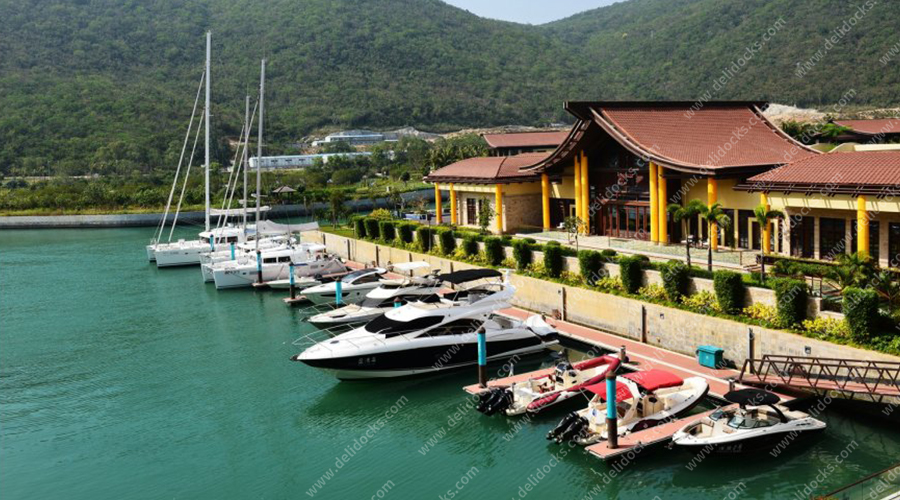
Prefab docks serve diverse purposes across the yachting industry. From private boat slips to public harbors, their versatility is evident. The prefab dock is a staple in modern marina engineering.
Residential Applications
Homeowners use these docks for personal boat access and waterfront leisure. They are popular in lakes, rivers, and coastal communities. Easy installation makes them attractive for DIY projects.
Private boat mooring and docking
Swimming platforms and picnic areas
Enhancement of property value
Commercial and Industrial Uses
Commercial marinas rely on prefab docks for efficient operations. They support fishing fleets, ferry terminals, and yacht clubs. Industries use them for cargo handling and maintenance facilities.
Marina expansions and renovations
Tourist attractions and waterfront parks
Research stations and military installations
Why Prefab Docks Are Preferred by Marina Developers
Marina developers often choose prefab docks for their reliability and speed. The trend towards modular construction aligns with sustainable practices. Brands like DeFever provide expertise in this area.
Key reasons include reduced environmental disruption during installation. Prefab systems also allow for easier repairs and replacements. This adaptability is crucial in dynamic marine environments.
Meeting tight project deadlines with pre-built components
Compliance with eco-friendly building standards
Scalability for future marina upgrades
In summary, prefab docks are a smart choice for modern marina projects. They balance efficiency, durability, and cost-effectiveness. As the yachting industry evolves, these systems will continue to play a vital role. Considering options from established brands can ensure quality. For more insights, explore resources from DeFever. Whether for residential or commercial use, a well-designed prefab dock enhances waterfront functionality.
Frequently Asked Questions About Prefab Docks
Q1: What is a prefab dock?
A1: A prefab dock is a pre-assembled or modular docking system manufactured off-site. It is transported and installed at the waterfront, offering quick setup and consistent quality. These docks are common in marinas worldwide.
Q2: How long does it take to install a prefab dock?
A2: Installation time varies based on size and site conditions. Typically, it can take from a few days to a few weeks. Prefab docks save time compared to traditional construction, which might take months.
Q3: Are prefab docks durable in saltwater environments?
A3: Yes, many prefab docks are designed for saltwater use. Materials like aluminum and composites resist corrosion. Proper engineering ensures they withstand harsh marine conditions for years.
Q4: Can prefab docks be customized?
A4: Customization options are available but may be limited by design. Modular systems allow for layout changes, but structural alterations might require special orders. It's best to consult with suppliers early.
Q5: What maintenance is required for a prefab dock?
A5: Maintenance is generally low. Regular tasks include cleaning, inspecting connections, and checking for wear. Materials like composites need less upkeep than wood. Following manufacturer guidelines helps prolong life.